

Close Menu
Şevket Ayaksız

    Subscribe to Updates

    Get the latest creative news from FooBar about art, design and business.

    What's Hot

    Google Maps vs Waze: I Put the Two Best Navigation Apps Head-to-Head — and One Clearly Came Out on Top

    Mayıs 1, 2026

    Samsung Electronics Offers Free 32-Inch Odyssey gaming monitor: Eligibility and How to Claim Deal

    Mayıs 1, 2026

    T-Mobile Bundles Free Hulu and Netflix for 5G Users: Eligibility Explained

    Mayıs 1, 2026
    Facebook X (Twitter) Instagram
    • software
    • Gadgets
    Facebook X (Twitter) Instagram
    Şevket AyaksızŞevket Ayaksız
    Subscribe
    • Home
    • Technology

      Google Maps vs Waze: I Put the Two Best Navigation Apps Head-to-Head — and One Clearly Came Out on Top

      Mayıs 1, 2026

      T-Mobile Bundles Free Hulu and Netflix for 5G Users: Eligibility Explained

      Mayıs 1, 2026

      This Portable Mini PC Is the Unexpected Raspberry Pi Alternative You Might Actually Want

      Mayıs 1, 2026

      Samsung warns RAM shortages could worsen beyond 2027

      Mayıs 1, 2026

      Oxford study finds friendly AI chatbots are less accurate

      Mayıs 1, 2026
    • Adobe
    • Microsoft
    • java
    • Oracle
    Şevket Ayaksız
    Anasayfa » The Next Era of Kubernetes and Cloud Computing
    software

    The Next Era of Kubernetes and Cloud Computing

    By mustafa efeŞubat 22, 2025Yorum yapılmamış2 Mins Read
    Facebook Twitter Pinterest LinkedIn Tumblr Email
    Share
    Facebook Twitter LinkedIn Pinterest Email

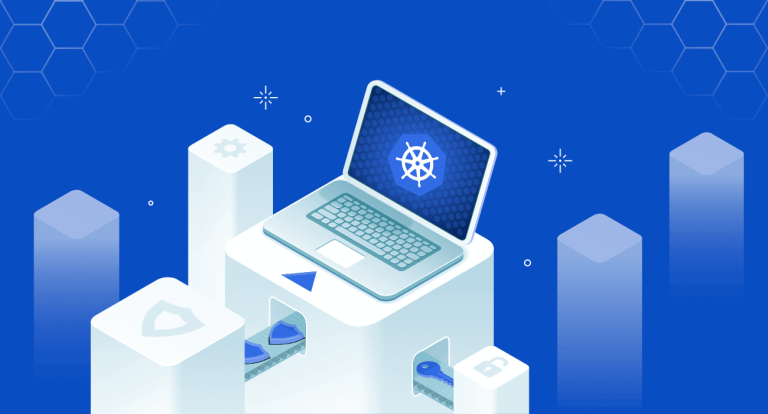
    Kubernetes has revolutionized cloud-native computing, becoming a cornerstone of modern enterprise software. By enabling applications to run efficiently in clusters of containers rather than traditional virtual machines, it has redefined cloud infrastructure. However, despite its dominance, Kubernetes adoption is not yet universal. According to the Cloud Native Computing Foundation’s (CNCF) 2023 survey, 44% of organizations have yet to implement Kubernetes in production. This gap highlights the continued presence of on-premises deployments and suggests that significant growth potential remains in the enterprise market.

    One of the main barriers to broader Kubernetes adoption is its inherent complexity. The CNCF survey repeatedly identifies key challenges such as security concerns, monitoring difficulties, and a steep learning curve. Additionally, cultural shifts in development teams and the lack of adequate training further hinder adoption. As businesses transition from monolithic architectures to microservices, these challenges become even more pronounced. Analysts predict that these hurdles will only grow as cloud-native infrastructure becomes the default, with Gartner forecasting that by 2025, over 95% of new digital workloads will be deployed on cloud-native platforms.

    Fortunately, the industry is actively addressing these challenges through innovative solutions. Emerging technologies like internal developer platforms (IDPs) streamline the Kubernetes experience by reducing operational complexity. Additionally, advancements such as eBPF (Extended Berkeley Packet Filter) enhance the Linux kernel’s cloud-native capabilities, promising greater scalability and security. These developments, along with new open-source tools and refined architectural patterns, are set to redefine how organizations manage and deploy containerized applications.

    For Kubernetes to truly reach mainstream adoption, usability must improve. Industry leaders acknowledge the need for enterprise-ready solutions that simplify the developer experience. As James Watters of VMware Tanzu notes, developers require self-service APIs and application platforms that extend beyond basic container orchestration. Companies like VMware, Rafay, Mirantis, and major cloud providers are actively working to make Kubernetes more accessible. By reducing friction and enhancing enterprise container management, these efforts will help Kubernetes solidify its role as the foundation of the next-generation cloud infrastructure.

    Post Views: 216
    java Programming Languages Software Development
    Share. Facebook Twitter Pinterest LinkedIn Tumblr Email
    mustafa efe
    • Website

    Related Posts

    Anthropic’s Claude Security Tool Analyzes Codebases to Detect Vulnerabilities and Prioritize Fixes

    Mayıs 1, 2026

    Microsoft’s Windows Insider Program Finally Becomes More Streamlined and User-Friendly

    Nisan 11, 2026

    Microsoft launches tool to gather user feedback on Windows issues

    Nisan 8, 2026
    Add A Comment

    Comments are closed.

    Editors Picks
    8.5

    Apple Planning Big Mac Redesign and Half-Sized Old Mac

    Ocak 5, 2021

    Autonomous Driving Startup Attracts Chinese Investor

    Ocak 5, 2021

    Onboard Cameras Allow Disabled Quadcopters to Fly

    Ocak 5, 2021
    Top Reviews
    9.1

    Review: T-Mobile Winning 5G Race Around the World

    By sevketayaksiz
    8.9

    Samsung Galaxy S21 Ultra Review: the New King of Android Phones

    By sevketayaksiz
    8.9

    Xiaomi Mi 10: New Variant with Snapdragon 870 Review

    By sevketayaksiz
    Advertisement
    Demo
    Şevket Ayaksız
    Facebook X (Twitter) Instagram YouTube
    • Home
    • Adobe
    • microsoft
    • java
    • Oracle
    • Contact
    © 2026 Theme Designed by Şevket Ayaksız.

    Type above and press Enter to search. Press Esc to cancel.