

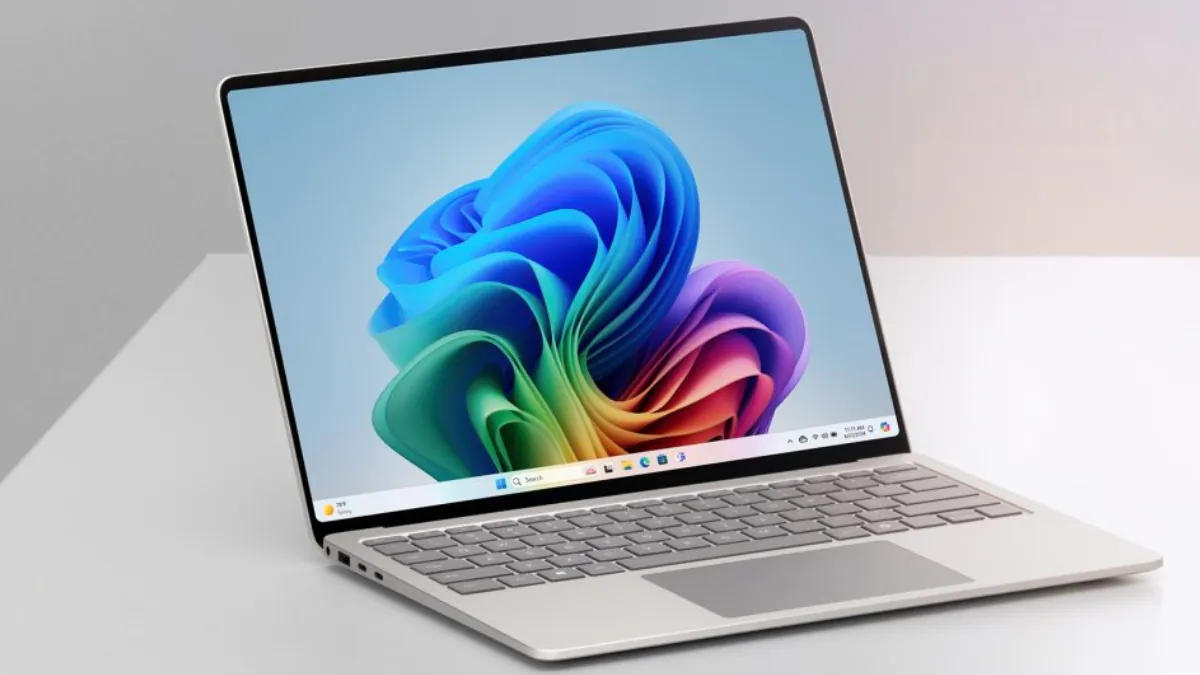
Windows 11 may soon deliver a more tactile computing experience thanks to a new feature discovered in its latest development builds. A hidden “Haptic signals” option was found in version 26220.7070, hinting that Microsoft is preparing to bring system-wide haptic feedback to compatible trackpads. The option, tucked under the Mouse settings menu, invites users to “feel subtle vibrations when you snap windows, align objects, and more,” suggesting the company wants to give everyday desktop interactions a physical dimension.
The discovery, made by build tracker PhantomofEarth, points to Microsoft’s ongoing effort to refine how users engage with Windows on a sensory level. Haptic feedback could make common actions like using the Snap Assist feature — which divides the screen between apps — feel smoother and more deliberate. This mirrors the tactile design philosophy already common on phones, tablets, and Apple’s MacBooks, where “Force Touch” feedback helps bridge the gap between touch and motion.
While haptic trackpads remain rare among Windows laptops, limited mostly to the Surface lineup, their adoption is growing. Peripheral makers like Logitech have begun embracing haptic technology, as seen in the new MX Master Mouse 4, signaling rising demand for more responsive, touch-like experiences. If Microsoft builds native support into Windows, it could encourage more PC manufacturers to integrate haptic hardware into future designs.
There’s no official confirmation of when the feature might roll out publicly, and it could remain an experimental addition for some time. Still, its presence in preview builds shows that Microsoft sees tactile response as the next frontier in user interface design — one that could make the Windows desktop feel more natural, connected, and alive than ever before.