

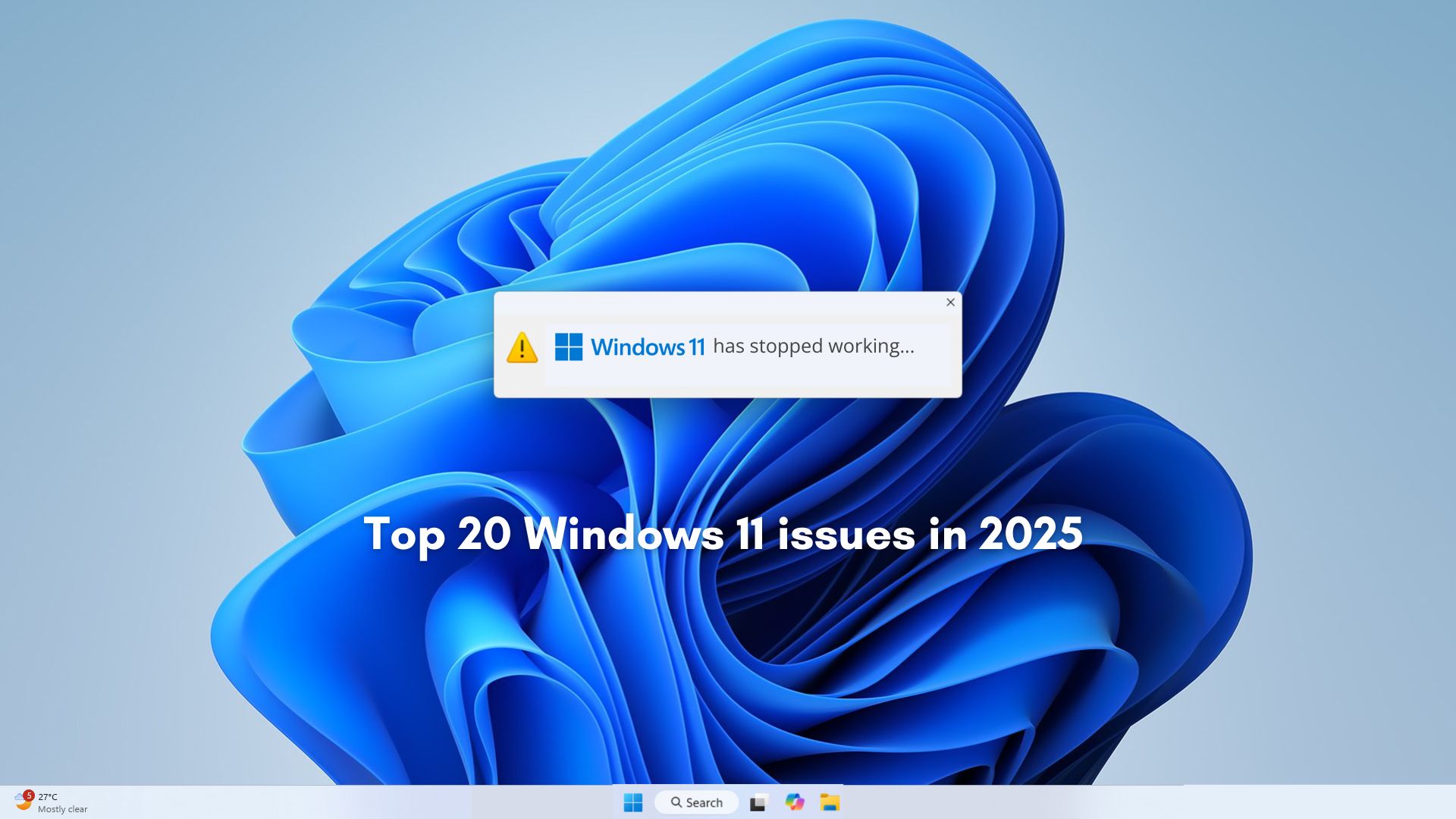
A new year has kicked off with a familiar headache for Windows users: a fresh wave of bugs tied to Microsoft’s own January Patch Tuesday update. While these updates are meant to strengthen security, they often arrive with a few surprises—and 2026 is no exception.
Released on January 13, the first major Windows update of the year was designed to address 114 security vulnerabilities, several of which were labeled critical. Even more concerning, at least one of those flaws had already been actively exploited. Alongside the security fixes, Microsoft also bundled in solutions for a handful of lingering Windows issues, making the update seem like an essential install.
Unfortunately, the update didn’t come without consequences. Soon after rollout, users began reporting a series of new problems, ranging from app instability to system-level glitches. While Microsoft has managed to resolve some of these issues, others are still affecting users, creating frustration for both home and enterprise environments.
One of the more disruptive problems involved Remote Desktop connectivity. Certain users encountered sign-in failures when attempting to connect to a Cloud PC, with authentication breaking across multiple Remote Desktop apps, including the Windows app itself. This bug impacted Windows 11 25H2, Windows 10 22H2 ESU, and Windows Server 2025. Microsoft responded by issuing an out-of-band patch on January 17, which appears in Windows Update—but only for systems confirmed to be affected.
Another notable issue centered on Secure Launch, a feature designed to protect managed PCs from bootkit malware. On systems where Secure Launch was enabled, some users found that their machines would restart instead of shutting down or entering hibernation. Unlike Secure Boot, which targets general-use PCs, Secure Launch is primarily intended for enterprise-managed devices, and this particular bug was limited to Windows 11 23H2.
While Microsoft continues to push fixes, the January update serves as a reminder that even well-intentioned security patches can introduce unexpected complications. For now, Windows users may need to balance the importance of security updates with the reality of temporary instability—at least until the remaining bugs are fully squashed.