

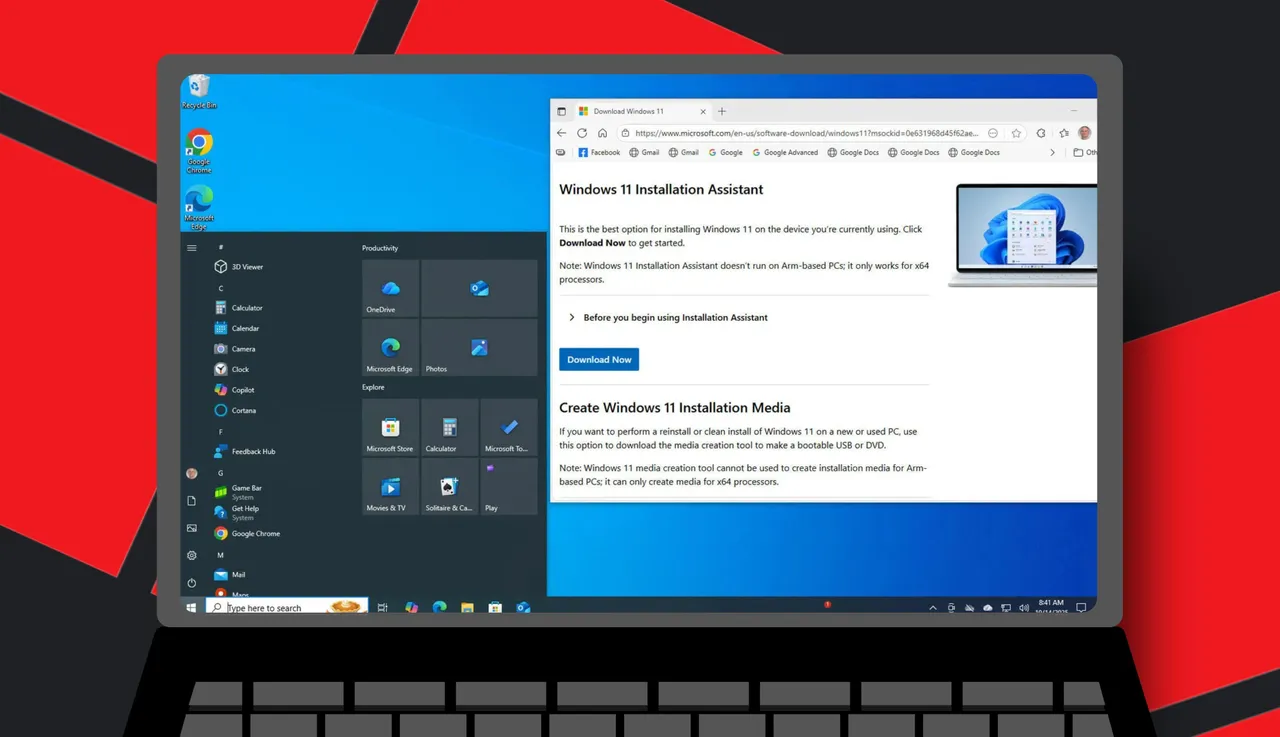
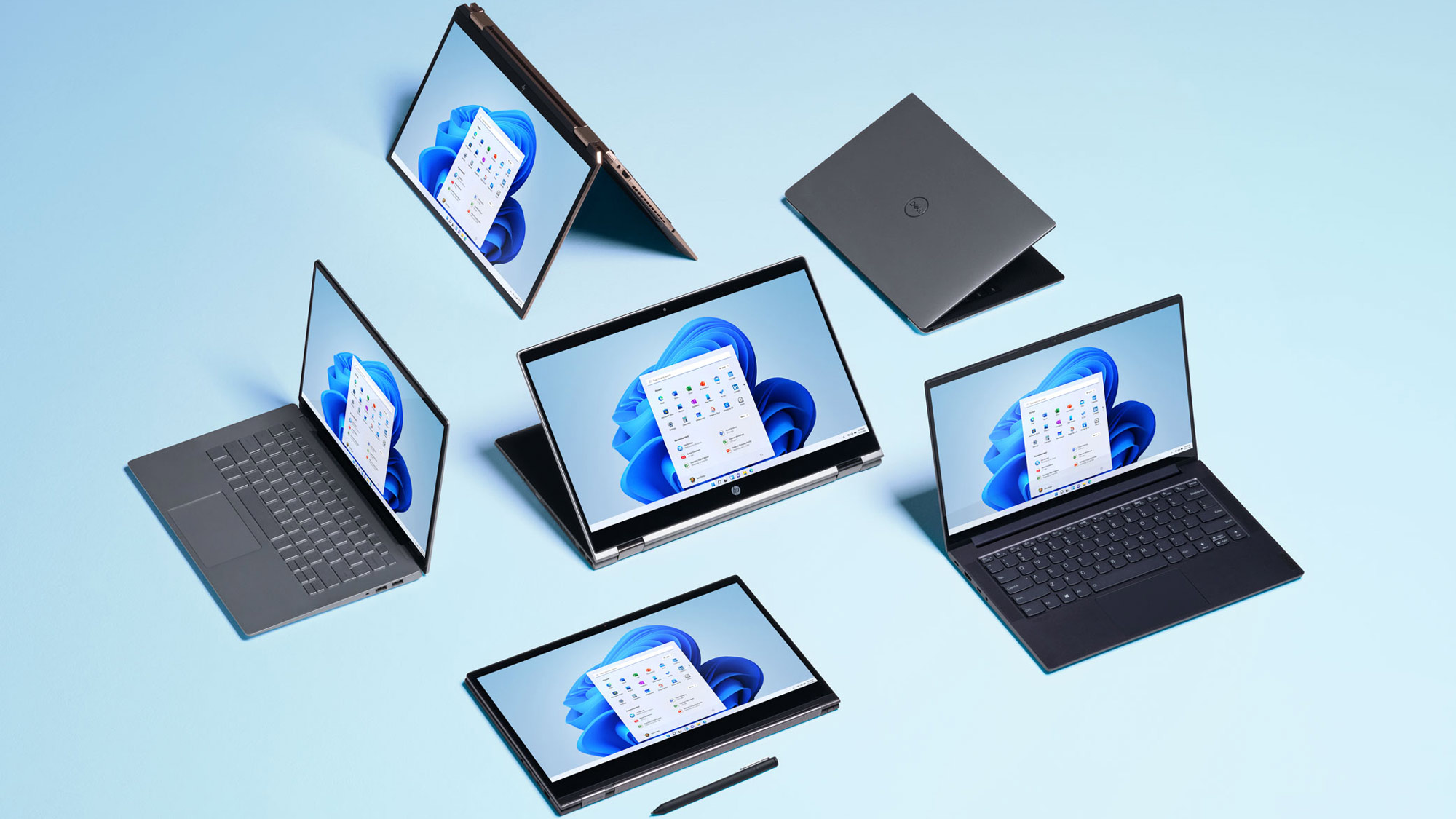
It may be surprising, but Windows 11 is approaching its five-year milestone since launch. When it first arrived, Microsoft introduced a wave of major visual and structural changes, giving the operating system a more modern and streamlined appearance. From the centered Start menu to refreshed icons and rounded corners, the redesign marked a noticeable shift from the look and feel of Windows 10.
Despite the visual overhaul, many of the core functions remain familiar. Microsoft retained much of the underlying framework that powered Windows 10, ensuring users could transition without relearning the basics. At the same time, the company focused on performance improvements, smoother animations, and better system optimization to enhance everyday usability across laptops and desktops.
Windows 11 also debuted with new feature integrations, including support for Android apps, expanding the ecosystem beyond traditional desktop software. This move signaled Microsoft’s intent to create a more versatile and connected platform, bridging the gap between mobile and PC experiences. Over time, additional updates refined multitasking tools, security enhancements, and gaming optimizations.
More recently, Microsoft has leaned heavily into artificial intelligence, introducing tools like the AI-powered Copilot to assist users with tasks, productivity, and system navigation. These updates demonstrate that Windows 11 is not static; it continues to evolve with AI-driven capabilities and ongoing refinements, positioning it as a forward-looking operating system rather than just a visual refresh.