

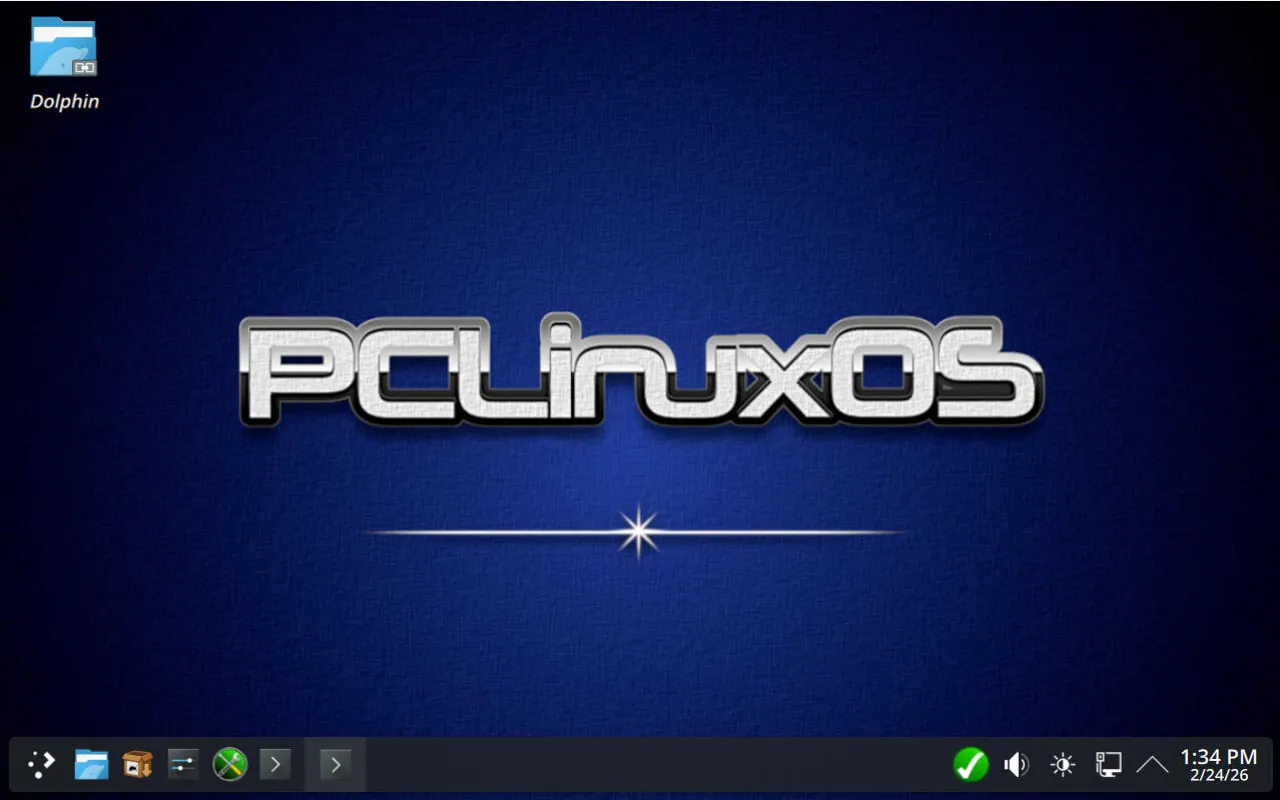
About a decade ago, PCLinuxOS was one of the Linux distributions poised to make a major impact on desktop users. Its core goal was to create an environment where Windows users could feel immediately comfortable, bridging the gap between familiar interfaces and the flexibility of Linux. At a time when theming and customizing desktops to mimic Windows versions was far from simple, PCLinuxOS developers and designers worked hard to create a smooth, welcoming experience.
For a while, PCLinuxOS was considered the cream of the crop among user-friendly Linux distributions. It combined stability, ease of use, and a polished interface that appealed to newcomers and seasoned Linux users alike. However, over time, it seemed to fade into the background. The rise of other distributions such as Linux Mint and elementaryOS, both offering modern designs and Windows-like familiarity, likely contributed to PCLinuxOS losing some of its spotlight.
Despite its dip in popularity, PCLinuxOS remained a solid option for those who valued a lightweight and customizable desktop experience. Its focus on accessibility and user-centric design kept it relevant for a loyal, if smaller, community of users who appreciated its balance of performance and usability. It never fully disappeared—it simply fell out of mainstream attention.
Recently, however, the distribution has shown signs of resurgence. A glance at Distrowatch revealed that PCLinuxOS has climbed back onto the Page Hit Rankings at No. 34. While not at the very top, this return indicates a renewed interest and a chance for a new generation of users to rediscover a classic, user-friendly Linux experience that continues to offer a great escape from Windows.