

Close Menu
Şevket Ayaksız

    Subscribe to Updates

    Get the latest creative news from FooBar about art, design and business.

    What's Hot

    Google Maps vs Waze: I Put the Two Best Navigation Apps Head-to-Head — and One Clearly Came Out on Top

    Mayıs 1, 2026

    Samsung Electronics Offers Free 32-Inch Odyssey gaming monitor: Eligibility and How to Claim Deal

    Mayıs 1, 2026

    T-Mobile Bundles Free Hulu and Netflix for 5G Users: Eligibility Explained

    Mayıs 1, 2026
    Facebook X (Twitter) Instagram
    • software
    • Gadgets
    Facebook X (Twitter) Instagram
    Şevket AyaksızŞevket Ayaksız
    Subscribe
    • Home
    • Technology

      Google Maps vs Waze: I Put the Two Best Navigation Apps Head-to-Head — and One Clearly Came Out on Top

      Mayıs 1, 2026

      T-Mobile Bundles Free Hulu and Netflix for 5G Users: Eligibility Explained

      Mayıs 1, 2026

      This Portable Mini PC Is the Unexpected Raspberry Pi Alternative You Might Actually Want

      Mayıs 1, 2026

      Samsung warns RAM shortages could worsen beyond 2027

      Mayıs 1, 2026

      Oxford study finds friendly AI chatbots are less accurate

      Mayıs 1, 2026
    • Adobe
    • Microsoft
    • java
    • Oracle
    Şevket Ayaksız
    Anasayfa » Styrolite: The Open-Source Solution to Simplifying Container Runtime Security
    software

    Styrolite: The Open-Source Solution to Simplifying Container Runtime Security

    By mustafa efeNisan 20, 2025Yorum yapılmamış2 Mins Read
    Facebook Twitter Pinterest LinkedIn Tumblr Email
    Share
    Facebook Twitter LinkedIn Pinterest Email

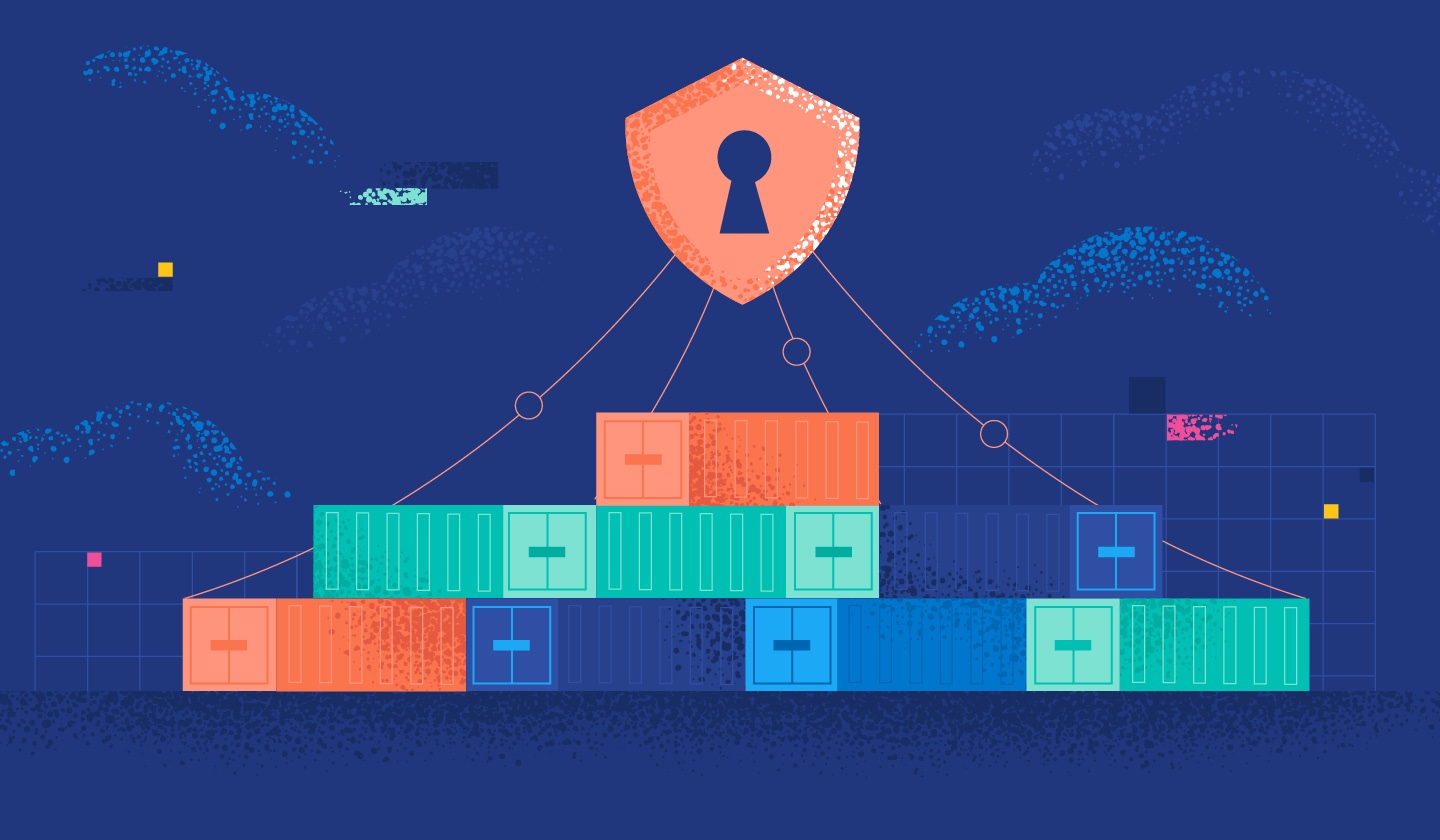
    Edera has just launched Styrolite, a new open-source project designed to provide enhanced security for container runtimes. Unlike traditional security measures that focus on upper layers like the Open Container Initiative (OCI) runtimes, Styrolite takes a deeper approach by securing the interactions between containers and Linux kernel namespaces. Operating beneath the surface of tools like containerd, Styrolite aims to address a critical gap in container security, especially in an era where supply chain vulnerabilities, like those seen in the Log4j and XZ Utils incidents, dominate the conversation.

    Despite years of progress in securing container environments, the runtime itself remains a tempting target for attackers. Exploits targeting low-level kernel subsystems, such as the Dirty Cow and Dirty Pipe vulnerabilities, allow attackers to break out of containers and escalate their privileges. This is where Styrolite comes in: it acts as a programmable sandboxing tool that gives platform engineering teams the ability to quarantine container interactions with Linux namespaces. By doing so, Styrolite adds an extra layer of protection at a crucial point in the container runtime process.

    The idea for Styrolite comes from Ariadne Conill, the co-founder and distinguished engineer at Edera. Conill has long been concerned with the lack of strong isolation in container runtimes, pointing out that while Linux namespaces allow containers to share system resources in multi-tenant environments, they were never designed with security boundaries in mind. “Namespaces can’t provide true isolation because they exist as part of the shared kernel state,” Conill explains. Styrolite seeks to change that by providing engineers with more control over how containers interact with the kernel at the most fundamental level.

    Styrolite’s design is rooted in practicality and modernity. Written in Rust and built as a microservice, it offers a solution that bridges the gap between cloud-native computing and traditional security measures like virtualization-based security. Styrolite’s functionality is comparable to a container runtime interface (CRI) but with a focus on securing the critical processes that govern how containers interact with kernel namespaces. Through Styrolite, engineers gain granular control over the lifecycle of these interactions, securing areas such as timekeeping, mounts, and process collections. By doing so, it allows for tighter security while maintaining the flexibility containers need in dynamic environments.

    Post Views: 192
    java Programming Languages Software Development
    Share. Facebook Twitter Pinterest LinkedIn Tumblr Email
    mustafa efe
    • Website

    Related Posts

    Anthropic’s Claude Security Tool Analyzes Codebases to Detect Vulnerabilities and Prioritize Fixes

    Mayıs 1, 2026

    Microsoft’s Windows Insider Program Finally Becomes More Streamlined and User-Friendly

    Nisan 11, 2026

    Microsoft launches tool to gather user feedback on Windows issues

    Nisan 8, 2026
    Add A Comment

    Comments are closed.

    Editors Picks
    8.5

    Apple Planning Big Mac Redesign and Half-Sized Old Mac

    Ocak 5, 2021

    Autonomous Driving Startup Attracts Chinese Investor

    Ocak 5, 2021

    Onboard Cameras Allow Disabled Quadcopters to Fly

    Ocak 5, 2021
    Top Reviews
    9.1

    Review: T-Mobile Winning 5G Race Around the World

    By sevketayaksiz
    8.9

    Samsung Galaxy S21 Ultra Review: the New King of Android Phones

    By sevketayaksiz
    8.9

    Xiaomi Mi 10: New Variant with Snapdragon 870 Review

    By sevketayaksiz
    Advertisement
    Demo
    Şevket Ayaksız
    Facebook X (Twitter) Instagram YouTube
    • Home
    • Adobe
    • microsoft
    • java
    • Oracle
    • Contact
    © 2026 Theme Designed by Şevket Ayaksız.

    Type above and press Enter to search. Press Esc to cancel.