

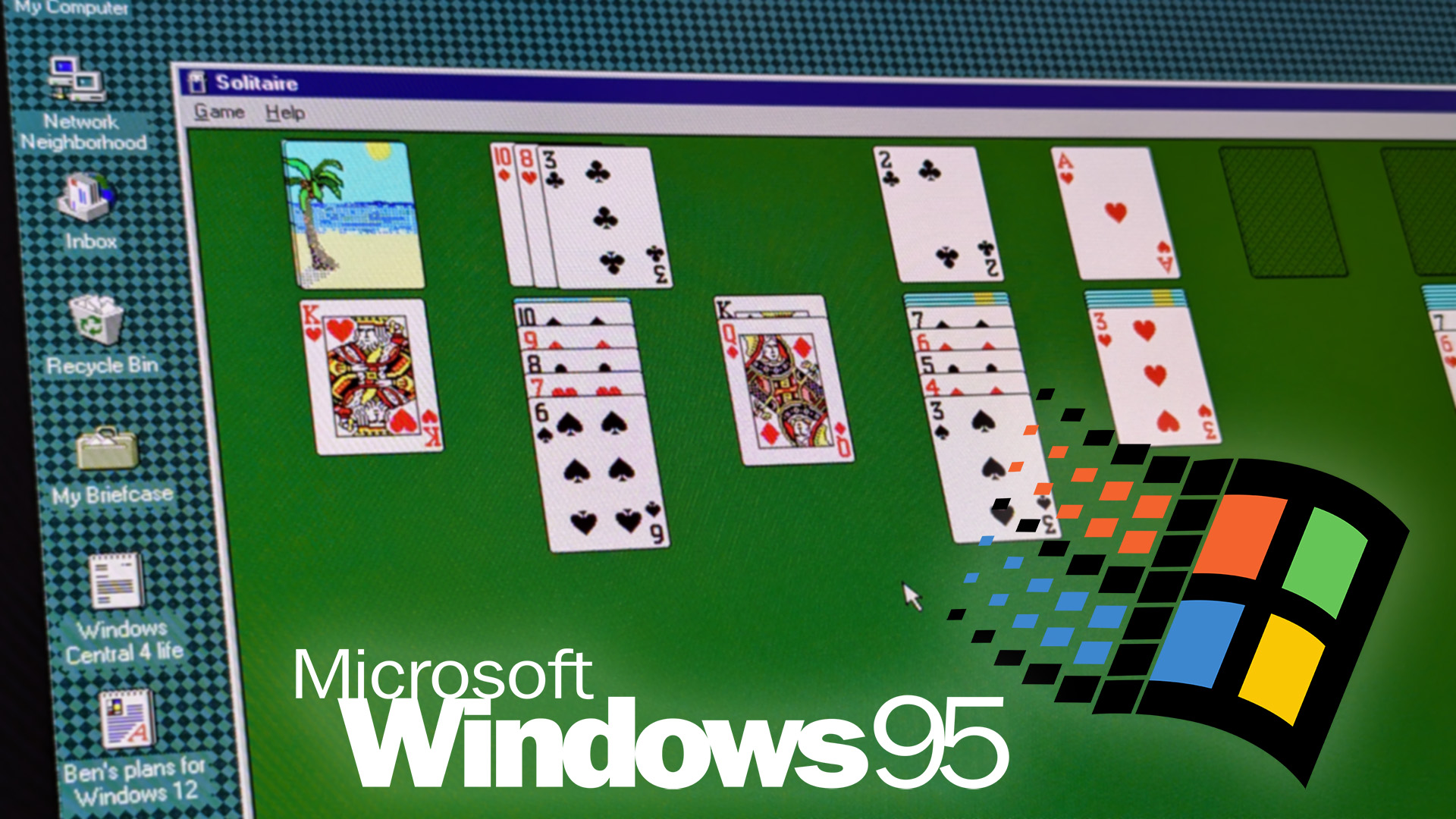
While most people think of Windows 95 as a relic of the past, it’s still alive and well in some surprising corners of the world. On a farm outside Düsseldorf, Germany, the operating system that launched three decades ago continues to manage the daily sorting of tens of thousands of eggs. The system, which turned 30 on August 24, has quietly proven itself to be one of the most reliable workhorses in agricultural technology.
The egg sorting machine in question is massive, covering an area of about 40 by 40 meters (131 by 131 feet). Each day, it processes up to 40,000 eggs, separating them by weight, size, and origin before neatly boxing them into packs of six or ten. The sorting mechanism is mechanical, but Windows 95 handles all the data management—logging, processing, and printing results. A decades-old Brother printer, still compatible with the operating system, takes care of the paperwork. If that printer ever fails, the farmer would need to scour the market for another equally old model since modern devices no longer support the software.
Farmer Peter Huber describes the system as virtually maintenance-free. “Windows 95 has been running smoothly ever since this thing was installed here. If something hangs somewhere, I just reboot. And then it boots up again on its own. It runs more smoothly than newer programs,” he explained. For Huber, the thought of replacing the setup isn’t appealing. New egg-sorting machines are incredibly expensive—comparable in price to a house—and wouldn’t necessarily improve efficiency beyond what the current system already provides.
The only real vulnerability lies in the software’s future. The original programmer who designed the system is no longer reachable, meaning there’s no way to update or repair the code if it ever completely fails. Should that happen, Huber would be left to do all record-keeping manually while the mechanical sorter continues its physical work. Until then, though, this farm demonstrates that legacy software like Windows 95 can remain indispensable, reminding us that sometimes older technology can outlast newer innovations when reliability is what matters most.