

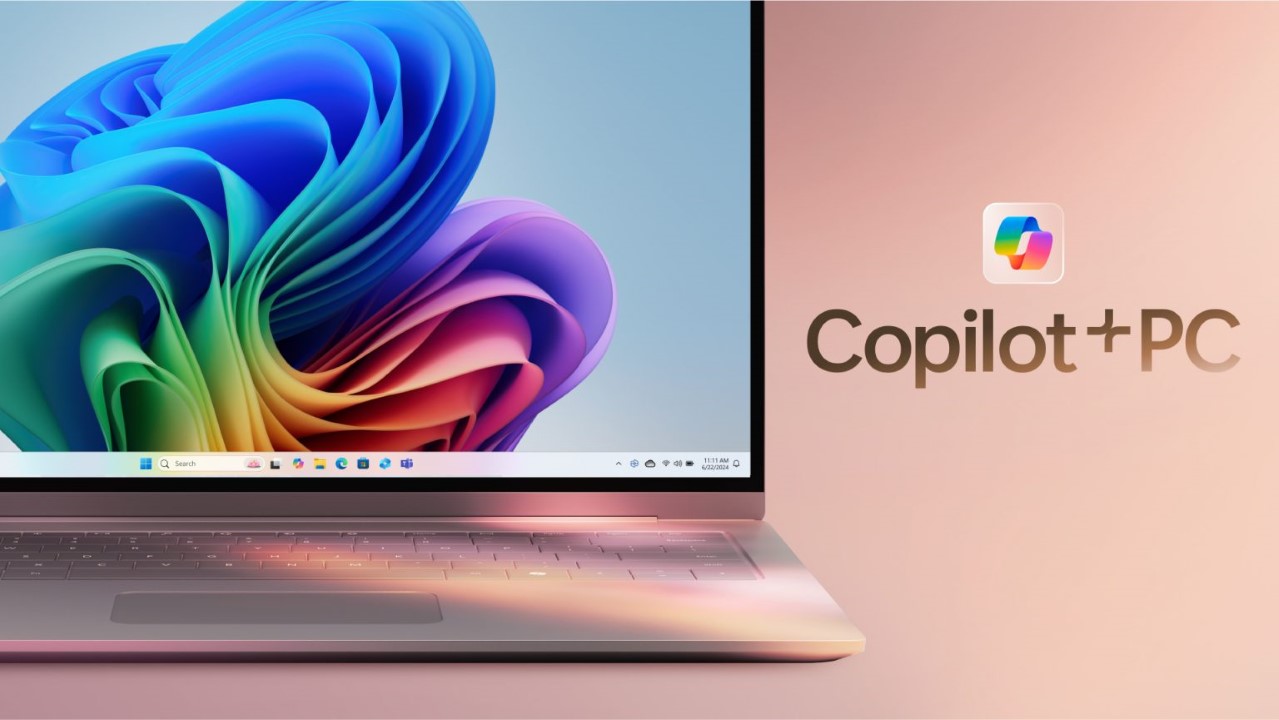

Microsoft is pushing forward with its Copilot+ initiative by blending local AI processing with features that solve everyday annoyances. The latest Windows 11 Beta Channel build, version 26120.5790, brings a pair of additions designed to refine communication and expand accessibility, while also breaking away from the company’s pattern of tying new tools primarily to Snapdragon-based systems. This time, Intel-powered Copilot+ PCs are first in line.
The highlight of the update is a tool Microsoft calls “fluid dictation.” Instead of simply transcribing speech into text, fluid dictation leverages local AI to clean up the results. Grammar and punctuation corrections are handled automatically, and verbal filler words are filtered out to create smooth, polished text. Anyone who’s dictated a draft only to spend another hour cutting out “ums” and “likes” will recognize the appeal here. By pushing this feature to Intel Copilot+ PCs first, Microsoft is signaling that AI-driven enhancements are going to be increasingly central to the productivity experience, not just flashy extras.
Another noteworthy addition expands Windows Studio Effects to external webcams. Studio Effects has already proven useful on Copilot+ laptops by automatically framing faces, applying background blur, and adding subtle adjustments to make video calls look more professional. Until now, though, these features were tied to built-in cameras, leaving anyone who preferred an external webcam out of luck. Microsoft’s new toggle inside Camera settings changes that, making Studio Effects more flexible and extending AI video enhancements to a wider range of hardware.
What makes this update especially interesting is the rollout strategy. For the past year, Microsoft has introduced AI-driven features on Arm-based Snapdragon devices first, reflecting its partnership with Qualcomm. This update flips the script: Intel-based Copilot+ PCs are receiving the upgrades first, with AMD and Snapdragon systems following in the weeks ahead. Whether this signals a permanent shift in priorities or simply a one-off exception remains to be seen, but it does highlight Microsoft’s interest in ensuring its AI features reach a broader slice of the PC ecosystem.
In addition to these headline tools, Microsoft is experimenting with smaller refinements that reflect its Copilot-first vision. File Explorer Home will now show new hover actions, such as “Open file location” and “Ask Copilot about this file,” turning what used to be simple navigation into a launchpad for deeper integration with AI. These updates are currently tied to the upcoming Windows 11 25H2 build, but Microsoft has indicated that both 25H2 and 24H2 will share the same feature set, meaning more users should see the improvements sooner rather than later.