

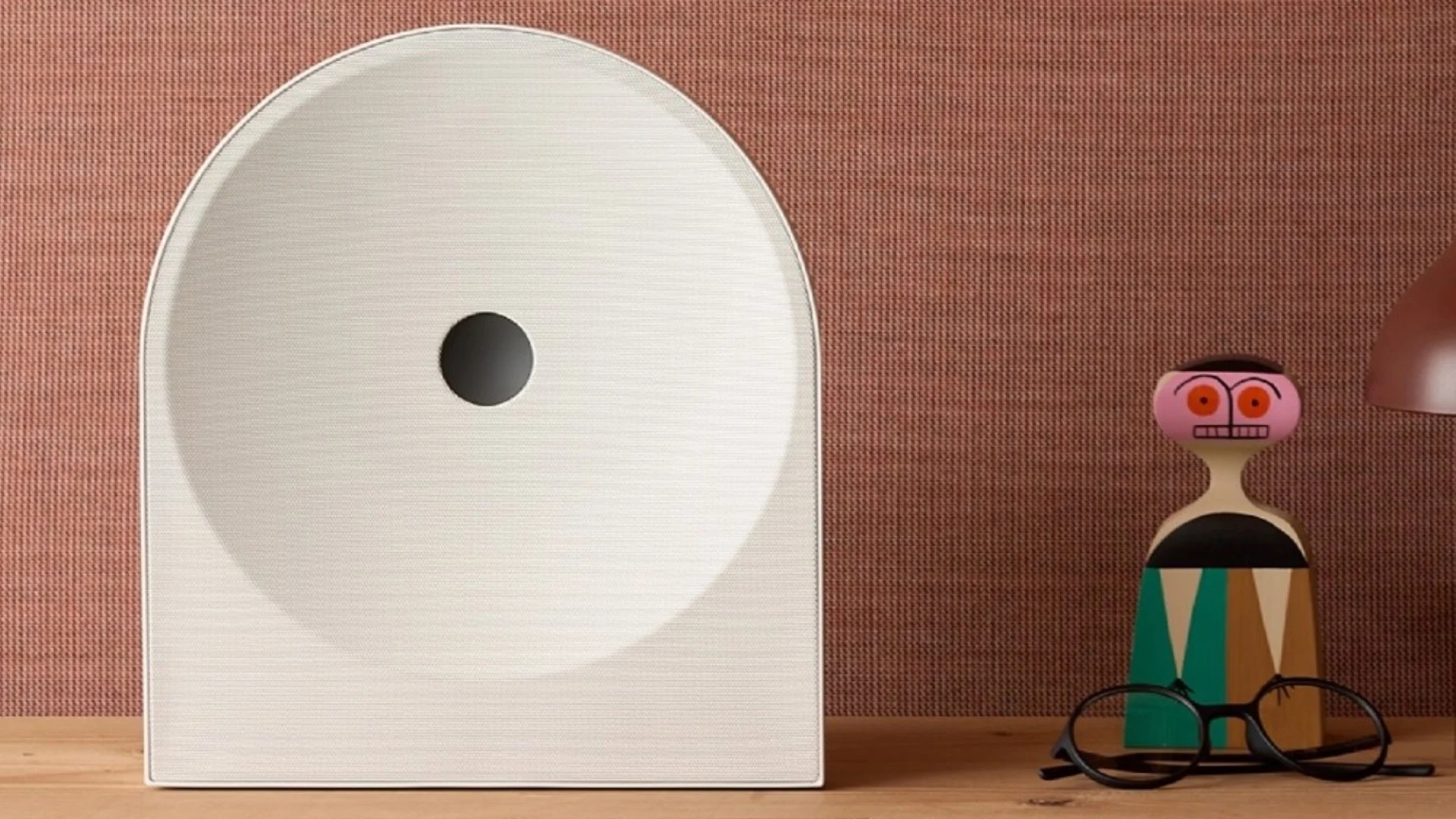
Samsung is making a renewed push into the premium smart speaker market with the introduction of its new Music Studio 5 and Music Studio 7 Wi-Fi speakers, positioning them as high-end alternatives to established offerings from Amazon, Apple, Bose, and Sonos. Unveiled at CES and scheduled for release in March, the new models reflect a clear focus on design-driven aesthetics and expanded ecosystem integration, signaling Samsung’s intent to compete more aggressively in the upper tier of the category.
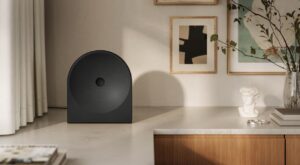
Both speakers feature a distinctive, modern industrial design created in collaboration with French designer Erwan Bouroullec. The perforated, “dot-faced” exterior and sculpted forms are intended to stand apart visually from more conventional smart speakers. While multiple color options were showcased during the CES presentation, Samsung has confirmed that initial retail availability will be limited to black and white variants, with other finishes remaining experimental for now.
Although voice assistants were only briefly referenced in Samsung’s official materials, the Music Studio 5 (LS50H) and Music Studio 7 (LS70H) are expected to support multiple voice platforms. This includes Amazon’s Alexa+, the company’s newer generative-AI-powered assistant designed to offer more conversational interactions and expanded smart home control capabilities, alongside support for Google Assistant and Samsung’s own Bixby. Bixby, in particular, is optimized for interoperability with other Samsung devices, reinforcing the speakers’ role within the company’s broader product ecosystem.
Music playback is a central focus of the Music Studio lineup, with built-in support for Spotify Tap and Spotify Connect over Wi-Fi. This allows users to start playback with a simple touch on the speaker, bypassing the need to interact with a phone or tablet. The higher-end Music Studio 7 further distinguishes itself by supporting Spotify’s lossless streaming tier, handling FLAC audio at up to 24-bit/44.1 kHz, as well as other high-resolution content reaching 24-bit/96 kHz. Depending on the selected voice assistant, default music services will vary, while additional platforms such as Tidal and Qobuz will remain accessible through their respective apps, Apple AirPlay, or Bluetooth.
Physical connectivity also varies between the two models. The Music Studio 5 includes a Toslink optical digital input, while the Music Studio 7 adds HDMI connectivity, expanding its potential use cases alongside televisions and other home entertainment components. Both speakers integrate with Samsung’s Q Symphony technology, allowing up to five Music Studio units to synchronize with compatible Samsung TVs via Bluetooth. Q Symphony can also combine output from Music Studio speakers with Samsung soundbars or Music Frame wall speakers, applying tonal balancing across the system for a more cohesive audio presentation.
For users interested in whole-home audio, Samsung is enabling multi-room playback across up to 10 Music Studio speakers simultaneously, including grouped configurations, all managed through the SmartThings app. However, neither the Music Studio 5 nor the Music Studio 7 can be configured as a traditional stereo pair, as each unit is designed to output two channels independently.
From a hardware perspective, the Music Studio 5 is priced at $249 and targets compact, single-room setups. It houses dual left and right front-facing tweeters paired with a 4.2-inch low-frequency driver, supported by an integrated waveguide and dynamic bass control. The Music Studio 7, priced at $499, adopts a more ambitious all-in-one approach with a 3.1.1-channel spatial audio configuration. Its tweeters project sound forward, sideways, and upward, while a front-firing, rear-ported 5-inch low-frequency driver handles bass output. Rather than relying on Dolby Atmos, Samsung employs its own signal-steering techniques, supplemented by Pattern Control Technology and AI Dynamic Bass Control, to enhance clarity and directional sound.
With the Music Studio 5 and Music Studio 7, Samsung is clearly targeting consumers seeking premium, single-speaker solutions that blend smart home functionality with spatial audio ambitions. In doing so, the company is placing its new lineup directly against established competitors such as the Sonos Era 300, Apple HomePod, and Amazon Echo Studio, while leveraging its existing ecosystem strengths to differentiate in an increasingly crowded market.