

A few years ago, I believed I could fully rely on my iPhone as a personal hotspot whenever I needed internet on the go. Since the feature is built directly into the device and always within reach, it seemed like the simplest solution for connecting laptops, tablets, and other gadgets without carrying extra hardware.
In reality, the experience often fell short of expectations. While it works in basic situations, the connection tends to become unstable during heavier use, especially when streaming video, joining video calls, or accessing remote systems. Speeds can fluctuate noticeably, making it less dependable for consistent work or travel use.
The situation becomes even more frustrating when non-Apple devices are involved. Android phones, laptops, or mixed-device setups frequently struggle with maintaining a stable connection, often disconnecting unexpectedly. On top of that, keeping a hotspot running continuously puts significant strain on the iPhone’s battery, draining it much faster than normal use.
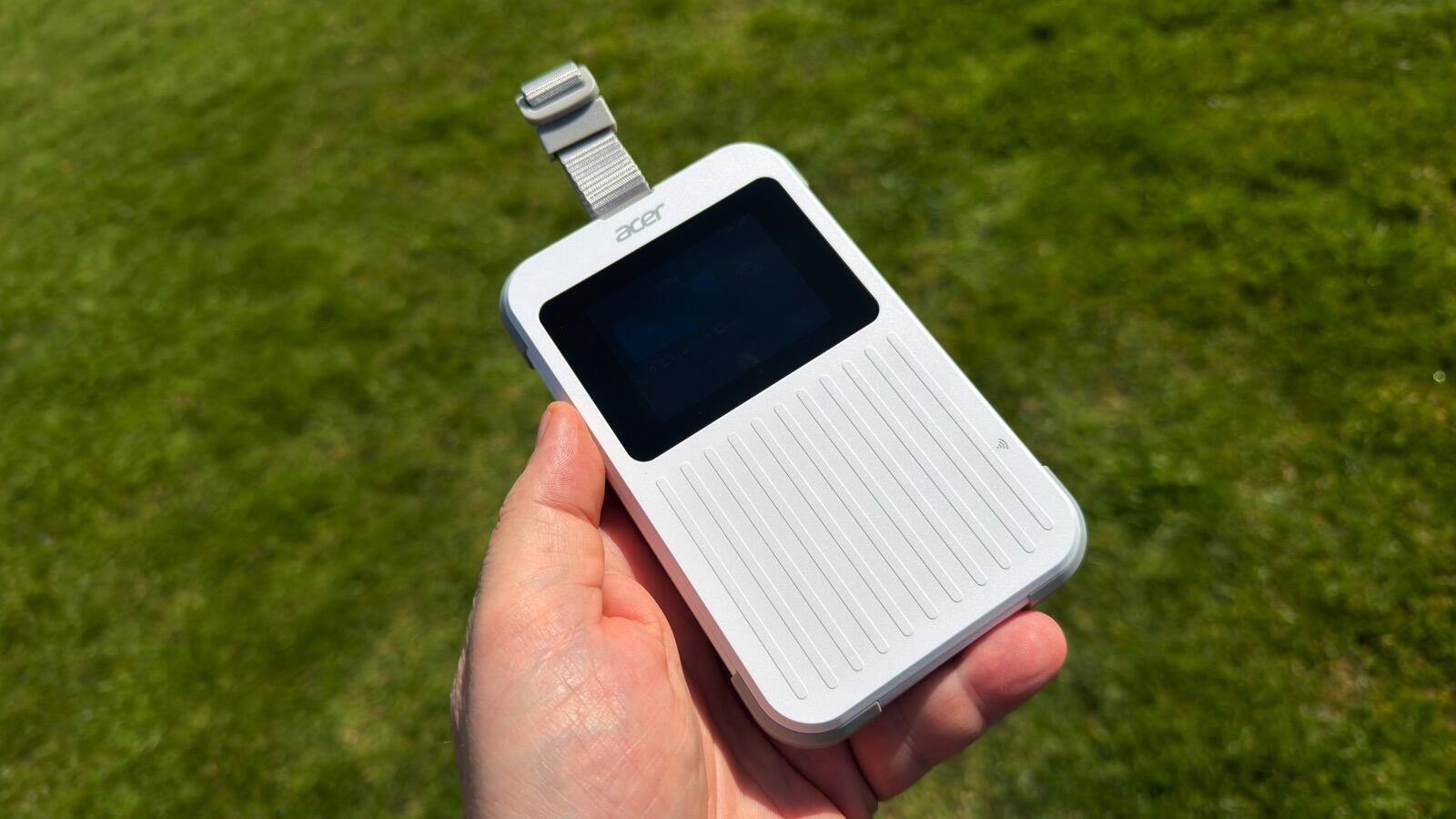
Over time, I experimented with several dedicated mobile hotspot devices, hoping for a more reliable alternative. However, many of them were either overpriced or failed to deliver consistent performance, which made the switch feel questionable at first. Some lacked strong coverage, while others were limited in speed or usability.
Eventually, moving to a dedicated 5G travel router proved to be a far more stable and efficient solution. It provided stronger connectivity, better device support, and more consistent performance across multiple devices at once. After making the switch, going back to relying on a phone hotspot no longer felt practical.