

CES 2026 is winding down in Las Vegas, with the consumer tech industry—and the crowds that follow it—beginning their journeys home. Over the past several days, the show delivered a familiar mix of headline-grabbing announcements from major players like Nvidia, Sony, and AMD, alongside a steady stream of attention-seeking reveals from smaller companies and startups across the Unveiled showcase and the broader show floor.
As in the previous two years, AI dominated much of the messaging at CES, but this time the spotlight shifted noticeably toward “physical AI.” While agentic AI was the buzzword of last year’s event, CES 2026 leaned heavily into real-world applications of AI, particularly in robotics. Robots were everywhere—from live demos on the show floor to prominent roles in press briefings—highlighting how quickly AI is moving beyond software and into tangible products.
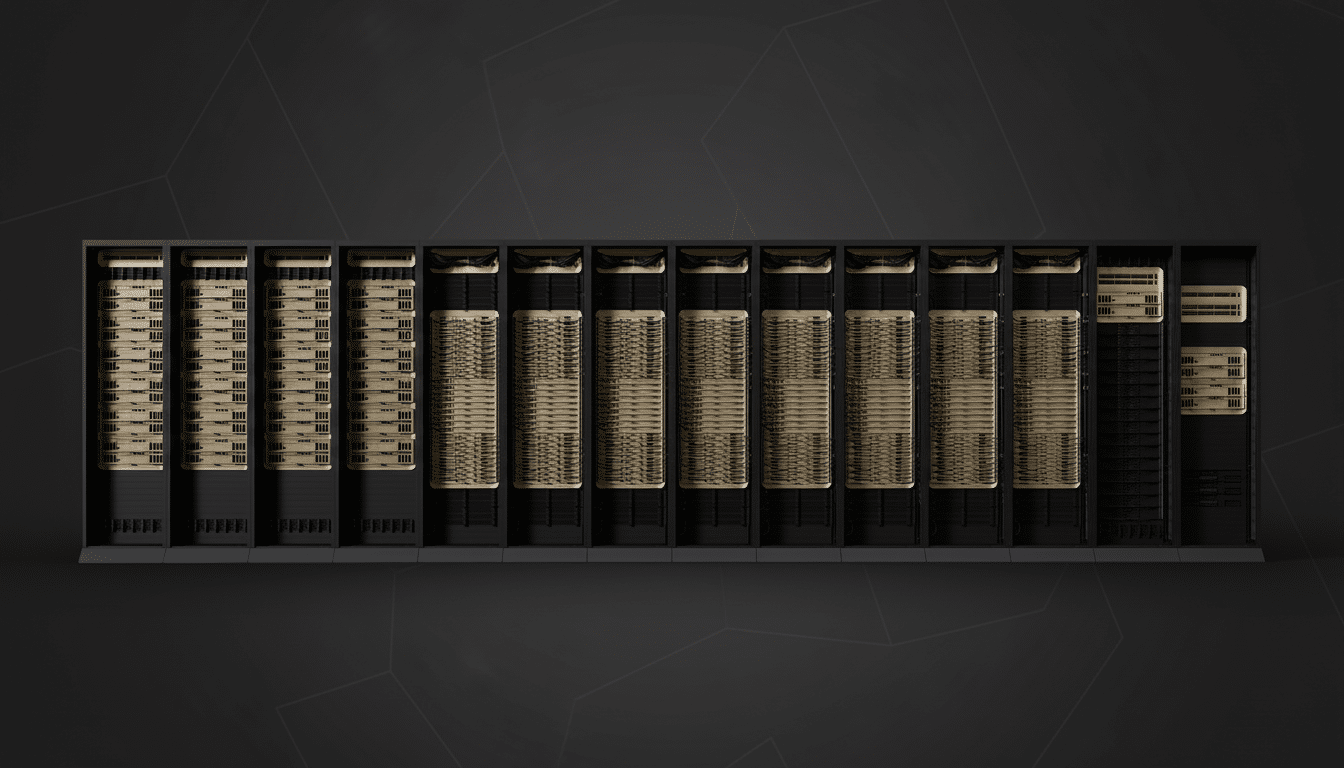
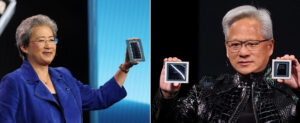
Nvidia CEO Jensen Huang’s keynote embodied that shift. In a characteristically expansive presentation, Huang celebrated Nvidia’s AI-driven momentum while outlining the company’s roadmap for the coming year. Nvidia revealed that its new Rubin computing architecture, designed to handle the surging computational demands of AI workloads, will begin replacing the Blackwell architecture in the second half of 2026. The company also showcased its Alpamayo family of open-source AI models aimed at autonomous vehicles, reinforcing Nvidia’s ambition to position its platform as foundational infrastructure for robotics—an approach likened to becoming the “Android” of general-purpose robots.
AMD, meanwhile, kicked off CES with the show’s first keynote, delivered by chair and CEO Lisa Su. The presentation leaned heavily on partnerships, featuring appearances from figures such as OpenAI president Greg Brockman, AI pioneer Fei-Fei Li, and Luma AI CEO Amit Jain. Beyond the guest lineup, AMD emphasized its strategy for bringing AI deeper into everyday computing through its Ryzen AI 400 Series processors, underscoring a broader push to make AI-capable PCs more mainstream.
Of course, CES wouldn’t be CES without its share of oddities. As the major announcements wrapped up, attention turned to some of the more unconventional and eyebrow-raising products that continue to define the show’s character. At the same time, CES hosted a range of breakout sessions and panels, touching on everything from retro design philosophies and the changing nature of work to new media projects, Roku’s low-cost streaming ambitions, and even a $25,000 bounty for an authentic Theranos device.
Automakers and industrial giants also used CES to signal how AI will shape their futures. Ford unveiled an AI assistant set to launch first in its mobile app, with a planned in-vehicle rollout around 2027, though specifics on functionality remain sparse. Caterpillar, meanwhile, announced a partnership with Nvidia focused on automated construction equipment, including a “Cat AI Assistant” demoed on an excavator and the use of Nvidia’s Omniverse tools for construction planning—further evidence that physical AI was the defining theme of CES 2026.