


Microsoft’s long-anticipated shift toward Arm-based Windows hardware has so far produced incremental change rather than a wholesale architectural transition, with early Qualcomm-powered systems delivering strong efficiency but facing persistent compatibility and gaming-performance hurdles. New evidence, however, suggests Nvidia may be preparing to enter the Windows-on-Arm laptop market, potentially altering the competitive landscape for both performance and software support.
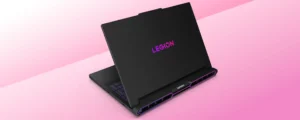
References to previously unannounced Lenovo laptops containing the identifiers “N1” and “N1X” have appeared in recent software materials, including updates to Lenovo’s Legion Space gaming management application. Product strings such as “Legion 7 15N1X11” have surfaced, pointing to devices that do not yet exist in Lenovo’s public catalog. Similar naming has reportedly appeared across IdeaPad, Yoga, and Legion product lines, implying that the references are not isolated to a single experimental device but may reflect a broader internal product roadmap.
The N1 and N1X designations align with Nvidia silicon that has already appeared in high-end, non-consumer systems. These chips are associated with Nvidia’s Arm-based compute platforms, including modules used in industrial and AI development hardware such as the Jetson Xavier family and compact AI workstations like the DGX Spark. Those systems are positioned for edge computing, robotics, and AI model development rather than mainstream personal computing, often pairing Arm CPUs with Nvidia GPUs and large pools of unified memory. Their pricing and configuration place them far outside the typical consumer laptop segment.
The appearance of these chip identifiers in conventional laptop lines, particularly within Lenovo’s Legion gaming brand, suggests a different target market. A consumer-oriented Arm laptop built around Nvidia silicon would mark a notable shift, especially in gaming. Windows gaming has historically depended on x86/x64 compatibility, and although emulation and translation layers have improved, many titles remain optimized primarily for traditional PC architectures. Qualcomm’s Snapdragon X-series and earlier Arm Windows chips demonstrated strong battery life and competitive single-threaded performance but struggled to gain traction among gamers due to software compatibility gaps and the limited availability of native Arm builds.
Nvidia’s involvement could change the equation in two ways. First, the company’s experience in graphics hardware, drivers, and developer ecosystems gives it leverage in optimizing gaming workloads. Second, tighter integration between an Arm CPU design and Nvidia GPU technology could enable performance profiles that differ substantially from current Snapdragon-based designs. Microsoft has also been investing in improving Windows-on-Arm gaming support, including better translation layers and toolchains, which could align with the timing of new hardware entrants.
Supply chain factors may also influence rollout timelines. The broader semiconductor market has experienced pressure related to advanced memory components, particularly high-bandwidth and AI-oriented memory technologies, which have affected a range of Nvidia products. Any Arm-based laptop platform that relies on similar memory configurations could face delays or configuration changes as manufacturers balance cost, availability, and performance targets.
Despite the mounting clues, no official confirmation has been provided regarding Nvidia-powered consumer laptops or the specific role of N1 and N1X in Lenovo’s roadmap. The identifiers could represent internal codenames, engineering test platforms, or projects that are ultimately revised or canceled. Nonetheless, their presence across multiple product families and in publicly distributed software components indicates that Arm-based Nvidia laptop designs are at least under active consideration. If commercialized, such systems would represent one of the most significant attempts yet to bring high-performance Windows laptops—and potentially gaming systems—onto an Arm foundation.