

Affordable computers could soon become much harder to find. According to research firm Gartner, surging memory prices may significantly raise PC costs in the short term—and could ultimately push entry-level PCs out of the market by 2028.
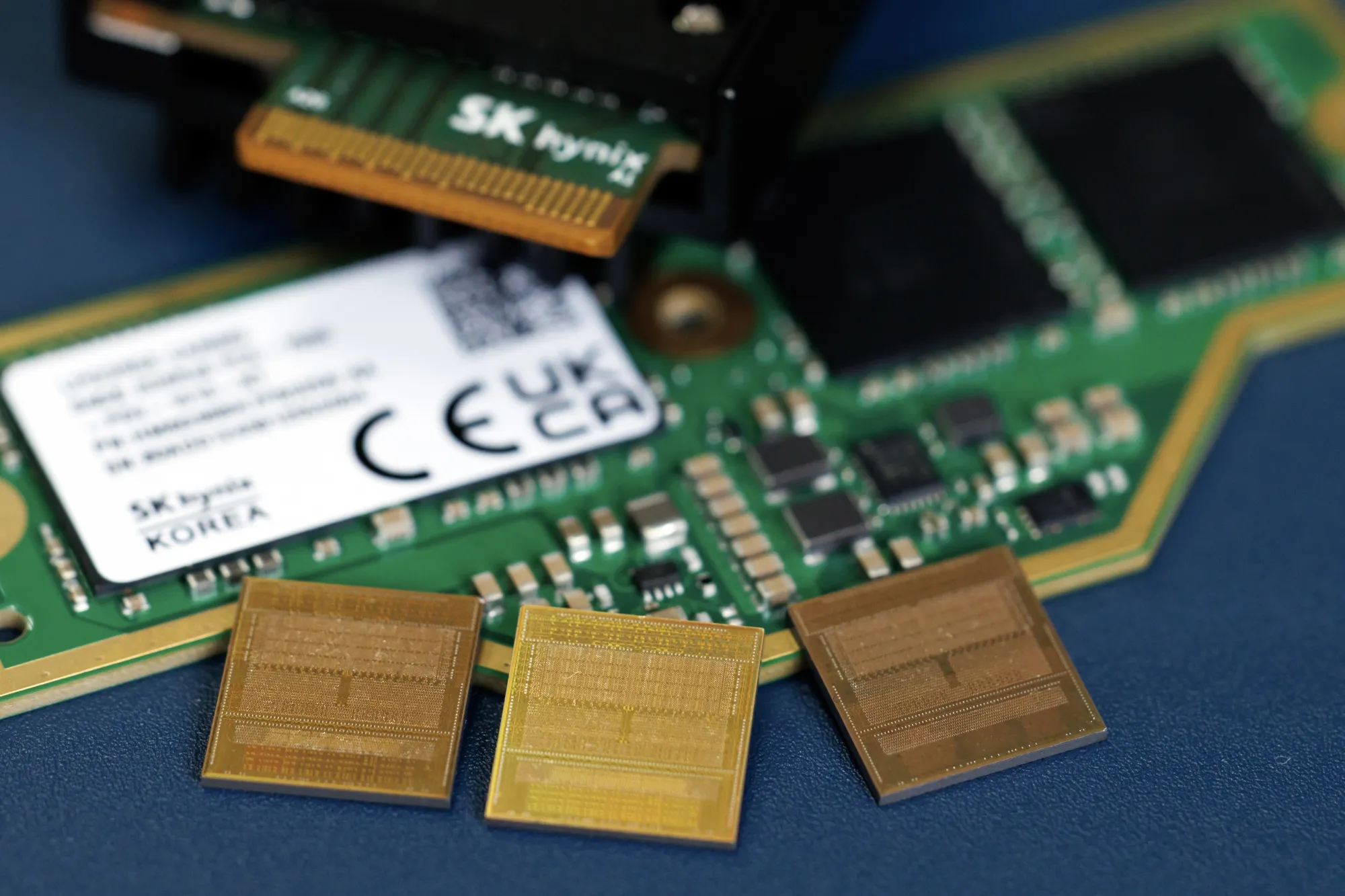
The primary driver behind the spike is the rapid expansion of AI infrastructure. Data centers building out AI capabilities are consuming vast amounts of DRAM and SSD storage, leaving reduced supply for consumer hardware manufacturers. Gartner expects prices for DRAM and SSD components to rise by roughly 130 percent by the end of 2026.
As a result, average PC prices could increase by around 17 percent. Higher costs are expected to slow upgrade cycles, with both businesses and consumers holding onto existing systems longer. Gartner estimates that users may extend device lifespans by up to 20 percent before replacing them.
The most vulnerable segment is the sub-$500 PC category. According to the forecast, entry-level systems in that price range could gradually wind down and potentially disappear by 2028 if component pricing remains elevated.
The price pressure may also impact the rollout of so-called AI PCs. With memory and storage costs climbing, manufacturers could struggle to produce AI-focused systems at competitive prices, potentially slowing adoption in the consumer market.
If the projections hold true, the era of ultra-cheap new PCs may be nearing its end—at least until supply stabilizes or demand from AI infrastructure cools.