

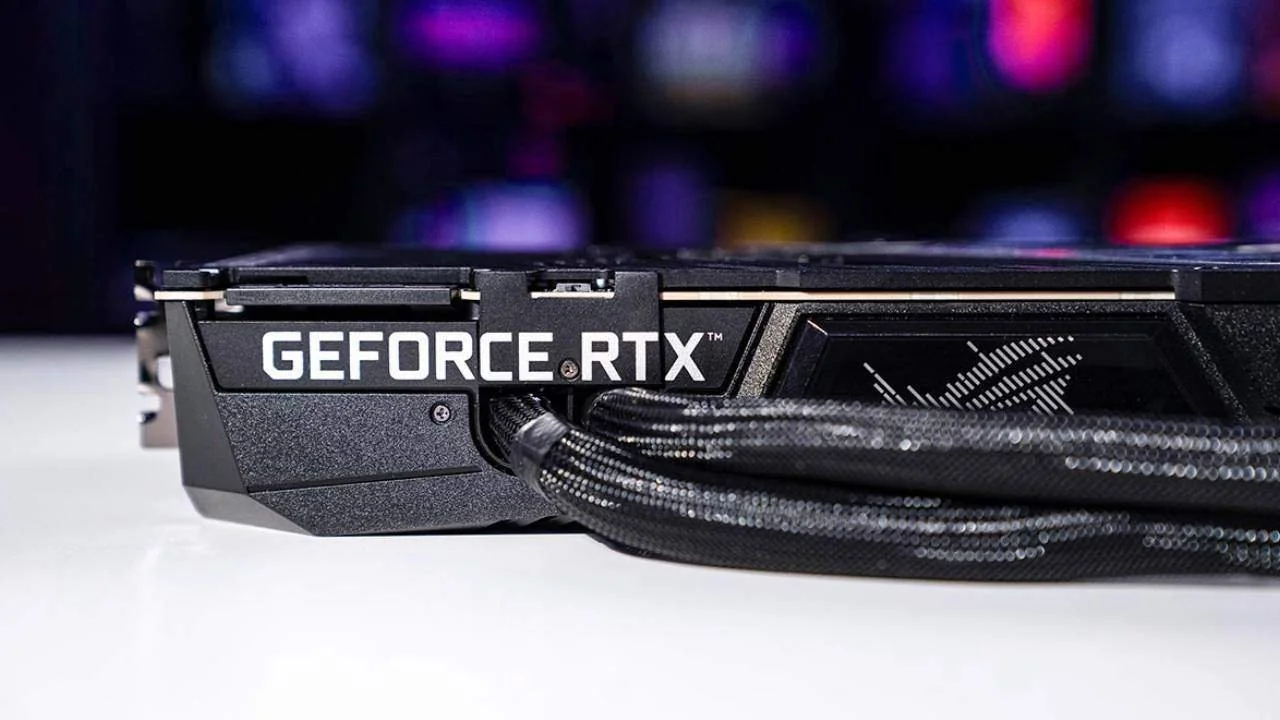
The PC graphics card market is undergoing a dramatic shift, with Nvidia now controlling more than 90% of the market, according to new data from Jon Peddie Research for Q4 2025.
Traditional competitors AMD and Intel have seen their positions weaken significantly. AMD’s share has fallen to well below 10%, while Intel’s presence in the discrete GPU space is now described as nearly negligible.
Market shifts and declining demand
Despite a 36% year-over-year increase in shipments, the market experienced an unusual 11.5% quarter-over-quarter decline during Q4—a period that typically sees peak sales.
The drop is largely attributed to rising component costs, particularly memory, as well as tariffs. These factors have also reduced the share of desktop PCs equipped with discrete GPUs, which fell to 55%, down over 12 percentage points from the previous quarter.
Nvidia’s overwhelming lead
When consumers are buying graphics cards, they are overwhelmingly choosing Nvidia. Data from Steam Hardware Survey supports this trend, with Nvidia GPUs dominating usage statistics, while AMD’s presence is minimal and often tied to integrated graphics.
AMD shifts strategy
AMD has already signaled a retreat from the high-end GPU race. As stated by executive Jack Huynh, the company is focusing more on mainstream products rather than competing in the premium segment dominated by Nvidia.
A one-player market?
While the GPU market still technically has multiple players, current trends suggest a growing imbalance. Nvidia’s dominance, combined with rising prices and reduced consumer adoption of discrete GPUs, could reshape the industry in the coming years.
For now, the data paints a clear picture: in the world of PC graphics cards, Nvidia is firmly in control.