

Google has quietly rolled out a meaningful update to Android that enhances the functionality of Wireless Emergency Alerts (WEA), making them far more practical in real-world situations. While these alerts have long been used to warn users about severe weather, natural disasters, or missing persons, they often lacked precise context — leaving people unsure whether the warning actually applied to their immediate surroundings.
With the latest system update, that uncertainty is being addressed through the introduction of a new map-based view. Instead of relying on vague phrases like “your area,” users can now see a visual representation of the affected region along with their own location. This makes it significantly easier to determine how close a threat is, whether it’s a storm system, wildfire, or other emergency, and helps users make quicker, more informed decisions.
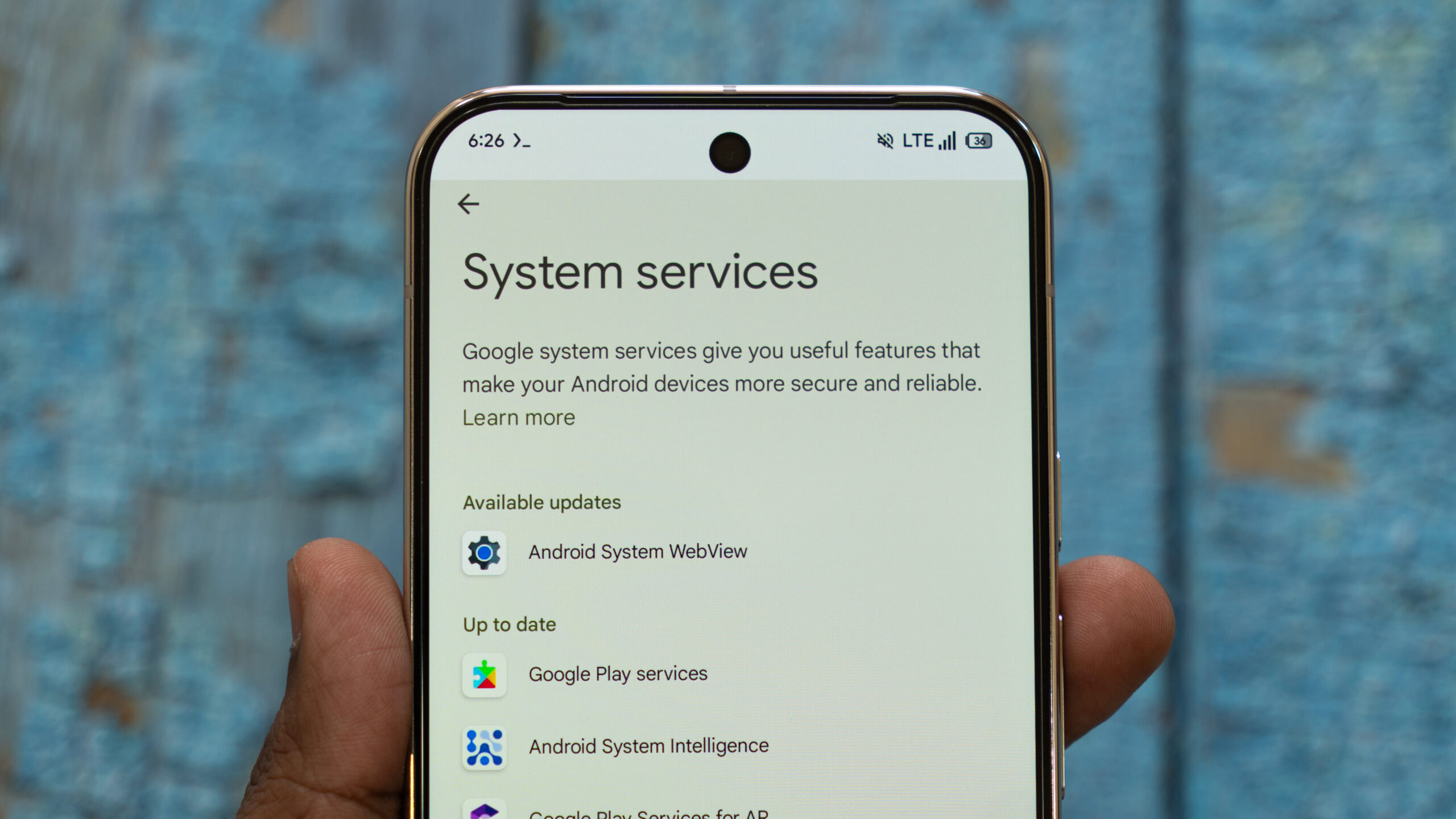
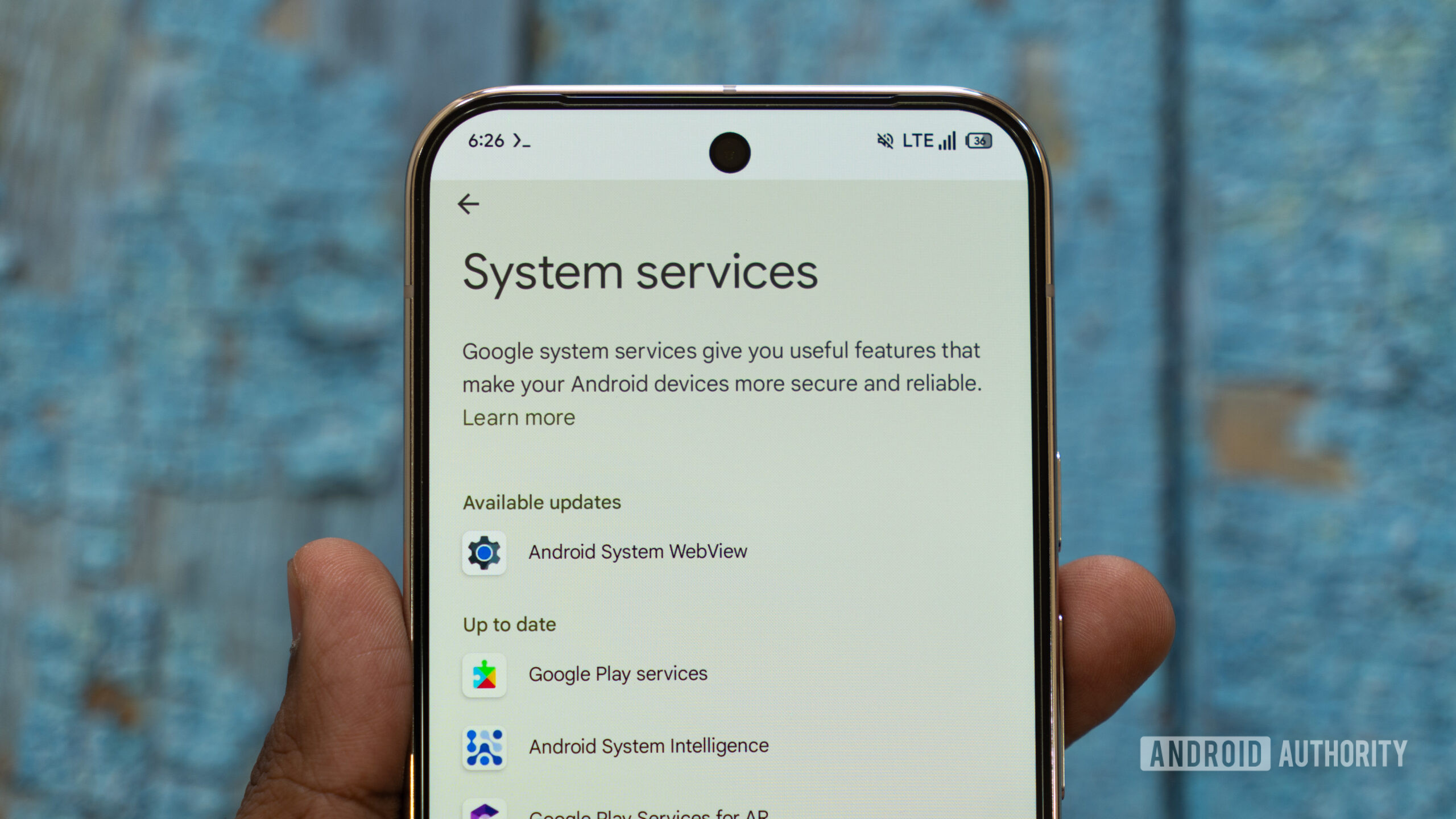
Interestingly, this upgrade wasn’t widely announced but was discovered in the March 2026 system update changelog. The addition of maps transforms alerts from simple text notifications into more interactive and informative tools. For example, rather than wondering if a tornado warning applies to your neighborhood or a distant part of the county, you can now instantly gauge your proximity to danger with a quick glance.
However, to fully benefit from these life-saving alerts, users may need to adjust their notification settings. Not all emergency alerts are configured to override Do Not Disturb or silent modes by default. While Google notes that the most critical alerts can still break through these restrictions, it doesn’t clearly define which alerts qualify. As a result, users who frequently silence their phones — especially overnight — are encouraged to review and enable settings that allow emergency alerts to sound loudly, ensuring they won’t miss important warnings when they matter most.