


Fake DDR5 Laptop Memory Scams Begin Spreading Across Online Markets
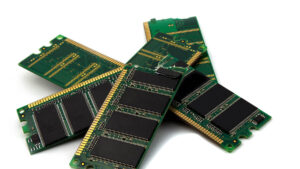
As memory prices continue rising in the global PC hardware market, reports of counterfeit DDR5 laptop RAM are beginning to surface across secondary marketplaces. The growing issue highlights increasing risks for consumers purchasing discounted computer components through online resale platforms.
According to reports originating from Japan, fake DDR5 SO-DIMM modules designed for laptops are appearing in online listings, with some sellers allegedly disguising nonfunctional hardware as legitimate high-capacity memory products.
Counterfeit Modules Use Fake Memory Chips
The fraudulent products reportedly use imitation plastic memory chips attached to authentic-looking DDR5 circuit boards. In some cases, fake chips partially replace real memory components, creating hardware that may appear legitimate during visual inspection but fails during actual use.
Buyers often cannot detect the issue immediately. The counterfeit modules may only reveal themselves after installation, resulting in failed system boots or significantly lower usable memory capacity than advertised.
Some reports claim users physically opened or cut into the memory modules before discovering that the supposed chips were nonfunctional placeholders rather than genuine semiconductor components.
“Untested” Listings Raise Concerns
Several suspicious listings reportedly labeled the hardware as “junk” or “untested,” a tactic commonly used in gray-market electronics sales to avoid returns and liability after purchase.
The strategy allows sellers to claim uncertainty about the product’s condition while still targeting buyers searching for discounted hardware during ongoing supply shortages.
Fake branding stickers and counterfeit labeling materials are also reportedly circulating through unofficial channels, making visual verification increasingly difficult for average consumers.
Secondary Markets Becoming Higher Risk
The situation reflects a broader pattern seen during previous hardware shortages, where rising prices and limited availability created opportunities for scams involving fake or modified components.
Similar incidents in past years included counterfeit graphics cards, relabeled processors and defective hardware disguised as functional products.
Experts warn that buyers searching for used gaming laptops or enterprise systems should remain cautious, particularly when deals appear unusually cheap compared to market pricing. In some cases, scammers may sell partially broken laptops advertised as containing high-end upgradeable components such as 64GB DDR5 memory, while secretly replacing those parts with mislabeled or worthless hardware.
Consumers purchasing expensive hardware through platforms such as eBay or local marketplaces are advised to use payment methods that include buyer protection or chargeback options in case fraudulent products are received.