


Close Menu
Şevket Ayaksız

    Subscribe to Updates

    Get the latest creative news from FooBar about art, design and business.

    What's Hot

    Google Maps vs Waze: I Put the Two Best Navigation Apps Head-to-Head — and One Clearly Came Out on Top

    Mayıs 1, 2026

    Samsung Electronics Offers Free 32-Inch Odyssey gaming monitor: Eligibility and How to Claim Deal

    Mayıs 1, 2026

    T-Mobile Bundles Free Hulu and Netflix for 5G Users: Eligibility Explained

    Mayıs 1, 2026
    Facebook X (Twitter) Instagram
    • software
    • Gadgets
    Facebook X (Twitter) Instagram
    Şevket AyaksızŞevket Ayaksız
    Subscribe
    • Home
    • Technology

      Google Maps vs Waze: I Put the Two Best Navigation Apps Head-to-Head — and One Clearly Came Out on Top

      Mayıs 1, 2026

      T-Mobile Bundles Free Hulu and Netflix for 5G Users: Eligibility Explained

      Mayıs 1, 2026

      This Portable Mini PC Is the Unexpected Raspberry Pi Alternative You Might Actually Want

      Mayıs 1, 2026

      Samsung warns RAM shortages could worsen beyond 2027

      Mayıs 1, 2026

      Oxford study finds friendly AI chatbots are less accurate

      Mayıs 1, 2026
    • Adobe
    • Microsoft
    • java
    • Oracle
    Şevket Ayaksız
    Anasayfa » Wireless Surveillance: HDMI Radiation Exposes Your Screen to Hackers
    software

    Wireless Surveillance: HDMI Radiation Exposes Your Screen to Hackers

    By ayaksızAğustos 4, 2024Yorum yapılmamış2 Mins Read
    Facebook Twitter Pinterest LinkedIn Tumblr Email
    Share
    Facebook Twitter LinkedIn Pinterest Email

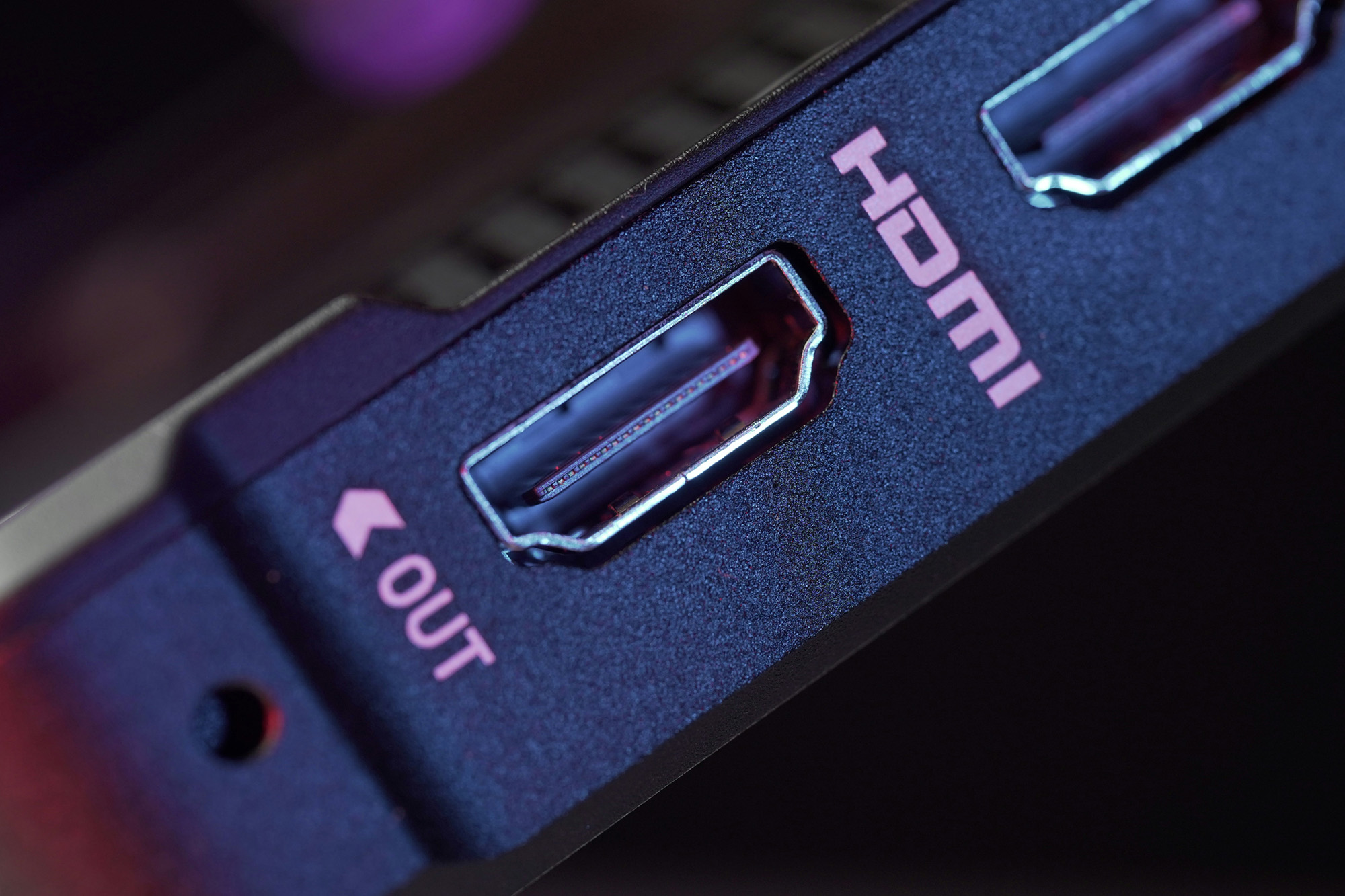
    Electronic spying has a new, more sophisticated twist, thanks to a recent discovery by researchers. A team from Uruguay has found that it’s possible to intercept the wireless electromagnetic radiation emitted by an HDMI cable and decode the video signal using artificial intelligence. The findings, published by three scientists from the University of the Republic in Montevideo on Cornell’s ArXiv service and noted by Techspot, reveal significant implications for data security.

    The research indicates that an AI model can be trained to interpret slight fluctuations in electromagnetic energy from a wired HDMI signal. Although HDMI is a wired standard with digital encryption, the emitted electromagnetic signals can still be detected without direct physical access. The researchers demonstrated that with an AI model and text recognition software, the wirelessly recorded EM radiation could be “read” with up to 70 percent accuracy.

    While not flawless, this accuracy level is a 60 percent improvement over previous methods, making it possible to steal sensitive information such as passwords. Remarkably, this can be achieved wirelessly without physical access to the target computer, even from outside a building under optimal conditions.

    Skimming wireless electromagnetic signals for surveillance is an old concept known as TEMPEST (Transient ElectroMagnetic Pulse Emanation STandard). This vulnerability dates back to World War II espionage. Despite HDMI cables being digitally encrypted with HDCP, they were not considered particularly vulnerable until now. The researchers’ AI-assisted attack method, called “Deep-TEMPEST,” presents new and troubling possibilities.

    The researchers suggest that this method, or similar techniques, may already be used by state-level spies and industrial espionage operatives. While the advanced nature of the attack and proximity requirement make it unlikely to impact everyday users, it poses a significant threat to government agencies and large companies handling sensitive data. These entities should consider implementing EM-shielding measures, especially for remote-working employees.

    Post Views: 225
    Share. Facebook Twitter Pinterest LinkedIn Tumblr Email
    ayaksız
    • Website

    Related Posts

    Anthropic’s Claude Security Tool Analyzes Codebases to Detect Vulnerabilities and Prioritize Fixes

    Mayıs 1, 2026

    Microsoft’s Windows Insider Program Finally Becomes More Streamlined and User-Friendly

    Nisan 11, 2026

    Microsoft launches tool to gather user feedback on Windows issues

    Nisan 8, 2026
    Add A Comment

    Comments are closed.

    Editors Picks
    8.5

    Apple Planning Big Mac Redesign and Half-Sized Old Mac

    Ocak 5, 2021

    Autonomous Driving Startup Attracts Chinese Investor

    Ocak 5, 2021

    Onboard Cameras Allow Disabled Quadcopters to Fly

    Ocak 5, 2021
    Top Reviews
    9.1

    Review: T-Mobile Winning 5G Race Around the World

    By sevketayaksiz
    8.9

    Samsung Galaxy S21 Ultra Review: the New King of Android Phones

    By sevketayaksiz
    8.9

    Xiaomi Mi 10: New Variant with Snapdragon 870 Review

    By sevketayaksiz
    Advertisement
    Demo
    Şevket Ayaksız
    Facebook X (Twitter) Instagram YouTube
    • Home
    • Adobe
    • microsoft
    • java
    • Oracle
    • Contact
    © 2026 Theme Designed by Şevket Ayaksız.

    Type above and press Enter to search. Press Esc to cancel.