


Solid’s Unique Signal-Based Approach to Reactive Front-End JavaScript
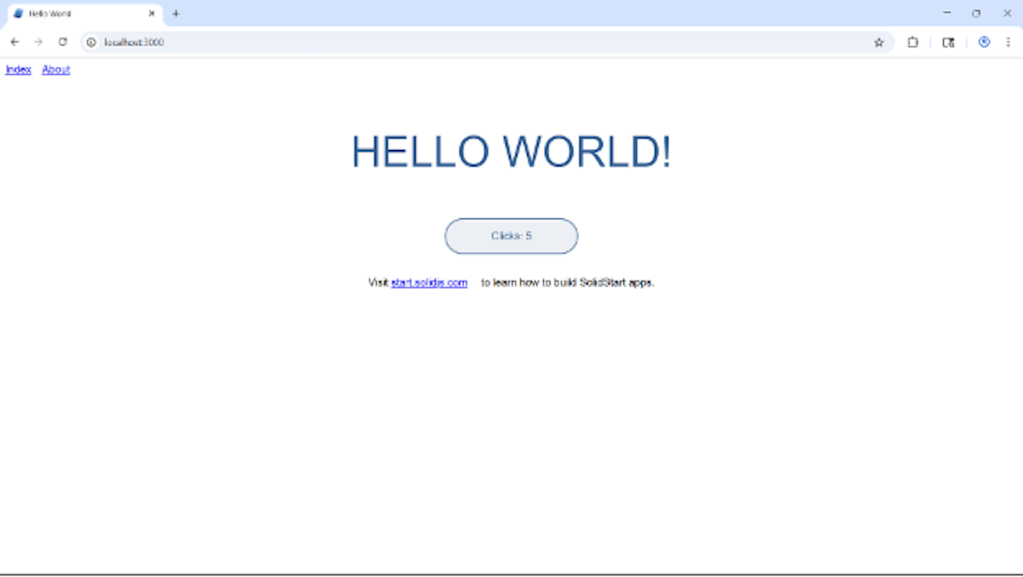
Solid.js introduces a distinctive approach to reactive state management that has influenced many modern front-end JavaScript frameworks. Rather than relying on traditional state objects, Solid uses signals—lightweight reactive primitives—that serve as the foundation for building higher-order reactive functionality. This design allows developers to write highly performant, predictable code while keeping the core framework minimal and efficient.
The framework’s lean yet powerful design has contributed to its growing popularity. In the January 2025 State of JavaScript survey, Solid achieved an impressive 90% developer satisfaction rating, reflecting its speed, flexibility, and comprehensive enterprise features. Its combination of reactive simplicity and production-ready capabilities makes it a compelling choice for both new projects and large-scale applications.
Getting started with Solid is made easier through SolidStart, a command-line tool that scaffolds new projects and supports full-stack features like server-side rendering (SSR). SolidStart simplifies setup, allowing developers to focus on building rather than configuring the environment. For example, a basic project can be initialized using a template with TypeScript, providing a structured starting point for development.
In practice, combining AI-assisted coding tools with manual workflows can streamline the setup process. While AI can generate scaffolding commands and boilerplate, interactive CLI prompts often require manual input, highlighting the ongoing need for developer expertise. This hybrid approach—leveraging AI where helpful while maintaining hands-on control—represents the current state of modern development with frameworks like Solid.js. AI becomes a productivity enhancer rather than a replacement for developer knowledge, helping teams build reactive, high-performance applications more efficiently.