

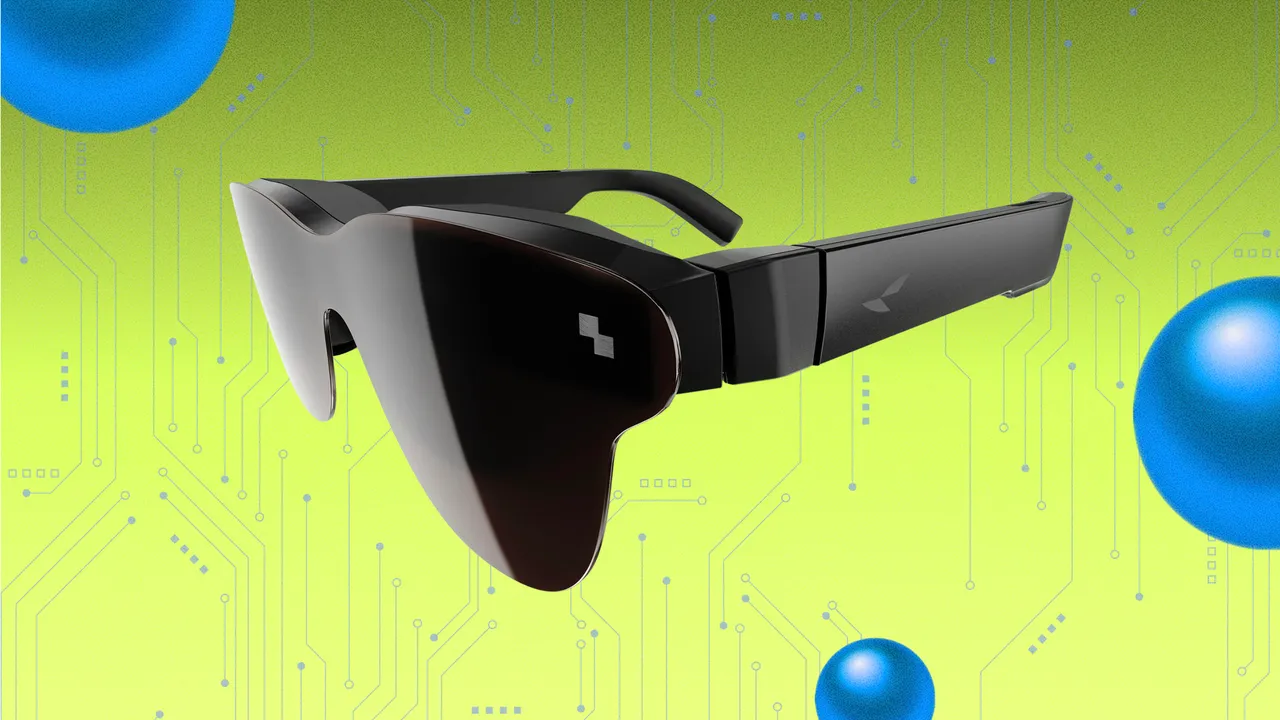

If the surge of smart glasses I tested in late 2025 is any indication, CES 2026 is shaping up to be a major showcase for wearable display technology. From augmented reality to extended reality, face-worn devices are becoming more capable and immersive, and companies are competing to deliver experiences that rival traditional screens.
Among the devices I’ve tried, the RayNeo Air 4 Pro stands out. Marketed as the world’s first HDR10 smart glasses, they feature dual-layer OLED displays and side speakers tuned by Bang & Olufsen. Together, these components create a high-end multimedia experience, making the glasses a strong contender for portable entertainment and immersive viewing on the go.
At their core, the Air 4 Pro function as extended reality glasses. They can connect to smartphones, PCs, or gaming consoles, allowing users to mirror or even replace a traditional display. The tinted visor improves brightness and color, which helps make movies, games, and apps visually impressive, putting them on par with XR devices from competitors like Xreal, Viture, and Rokid.
Comfort and usability also get a boost with the RayNeo Air 4 Pro. They support swappable prescription lenses up to -8.00 and maintain the same lightweight design as their predecessor, the Air 3s Pro, weighing just 76 grams. This ensures long-term wearability while maintaining a sleek profile, making them practical for extended use without feeling cumbersome.