

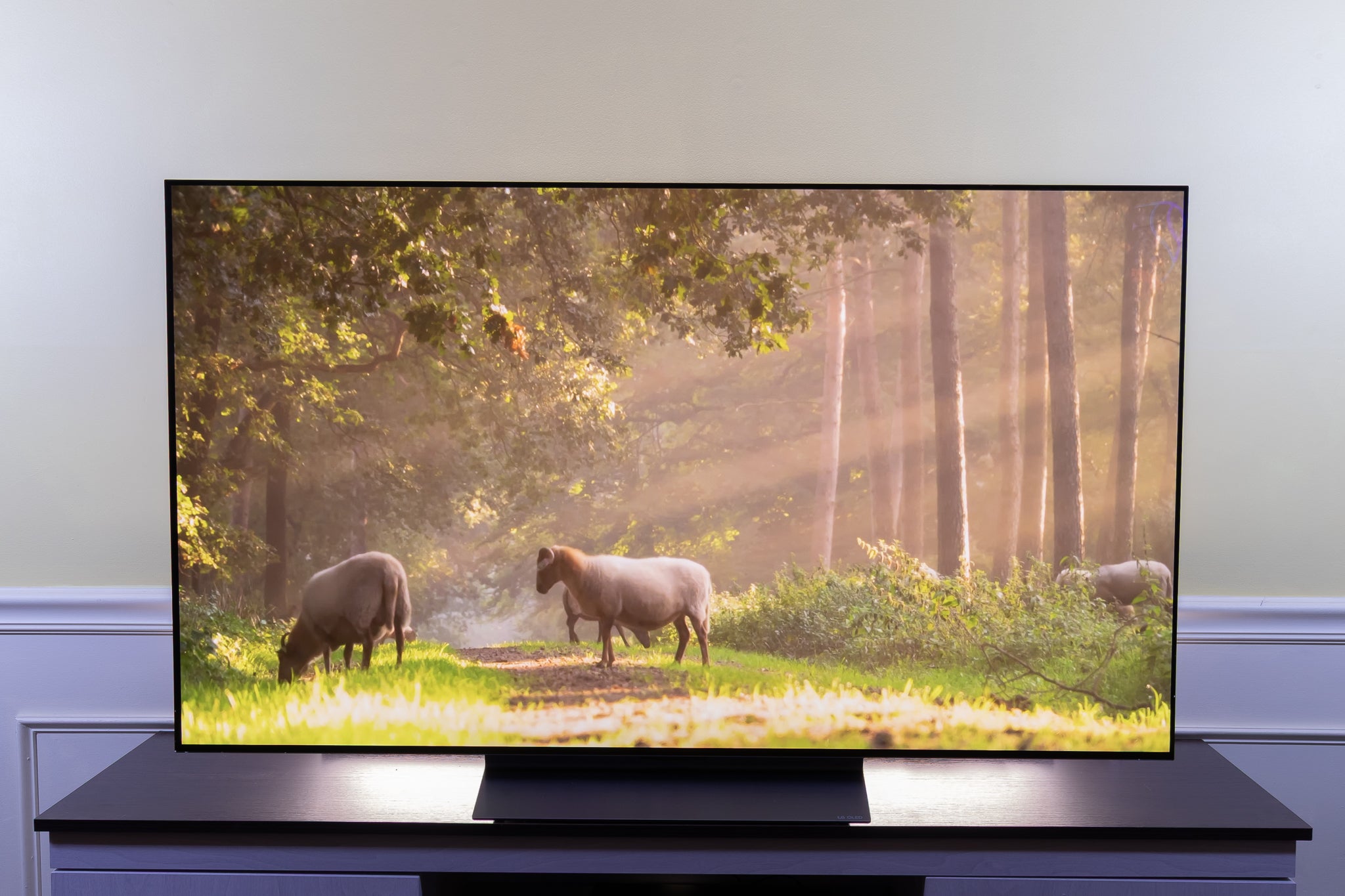
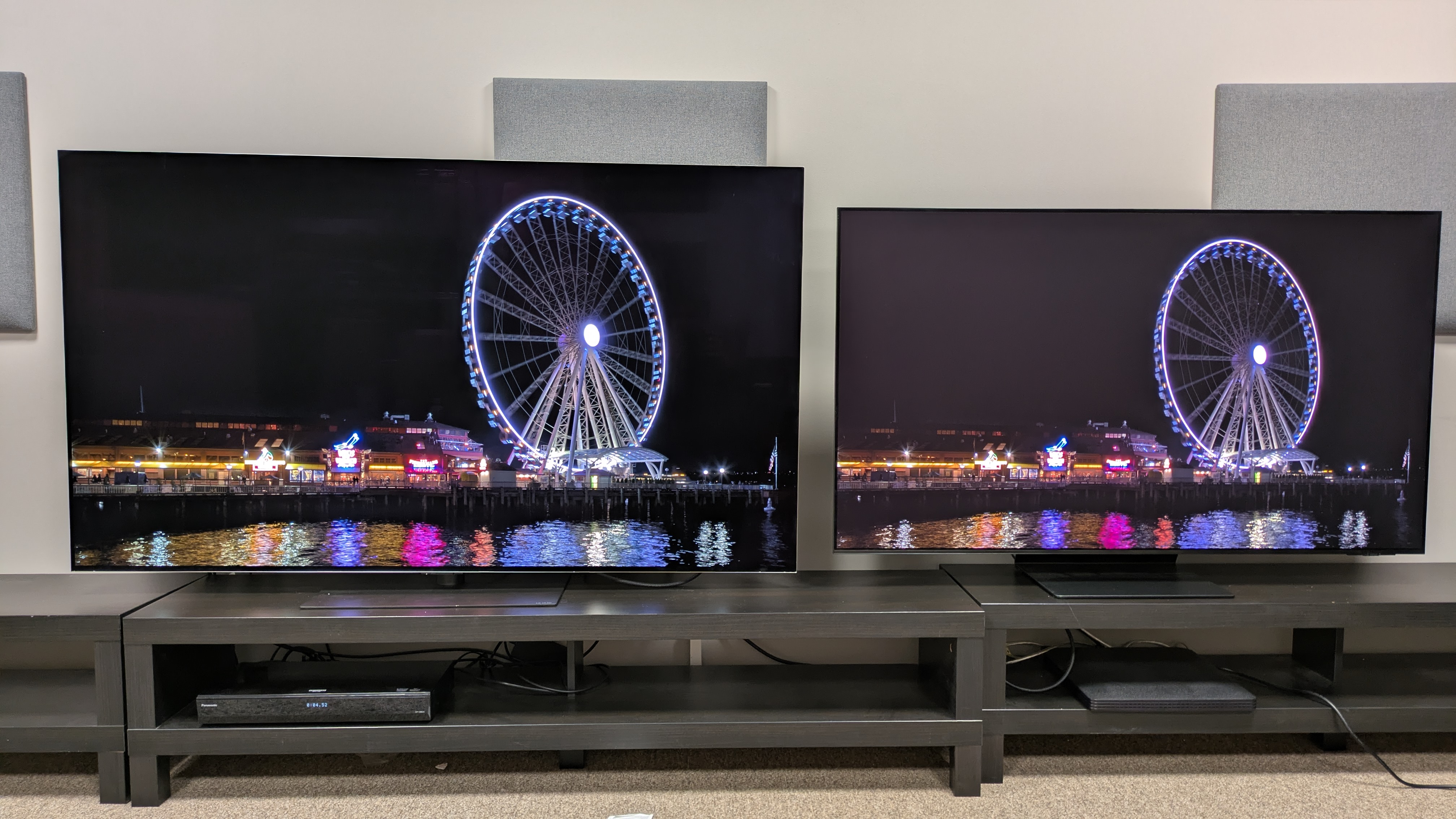
Over the years, I’ve tested countless TVs, each claiming to offer flawless picture quality or smart features that sounded impressive but often went unused. In 2026, both LG and Samsung have unveiled their latest flagship OLED models, the G6 and the S95H, each packed with upgrades in display technology, audio, and AI integration. The big question for buyers remains: which one is actually worth the premium price tag? To answer that, I compared the two in terms of performance, design, and user experience.
The LG G6 OLED features a Tandem OLED panel and supports Dolby Vision, offering vibrant colors and deep contrast for a cinematic experience. It comes in screen sizes ranging from 55 to 97 inches, catering to both mid-sized living rooms and home theater setups. Audio is handled through Dolby Atmos, and it supports high-end gaming features like VRR via Nvidia G-Sync and AMD FreeSync Premium. Voice control is supported through Alexa, Google Assistant, and Apple Home, giving flexibility for smart home integration.
Meanwhile, the Samsung S95H OLED offers a slightly smaller size range of 55 to 83 inches and supports HDR10+, delivering punchy highlights and impressive color accuracy. Samsung adds Object Tracking Sound+ to its Dolby Atmos setup, enhancing audio immersion for movies and sports. Like the LG, it supports VRR for gaming and multiple voice assistants, including Samsung’s Bixby. While the base price starts slightly lower than the G6 at $2,499, both models are firmly in the premium segment.
Both TVs excel in high-end streaming, gaming, and smart home integration, but subtle differences can influence a purchase decision. LG’s wider size options and Dolby Vision support make it ideal for a true home theater experience, while Samsung’s advanced audio features and HDR10+ optimization may appeal more to sports fans and gamers. Choosing between them ultimately comes down to whether you prioritize cinematic visuals or immersive sound and dynamic HDR performance.