

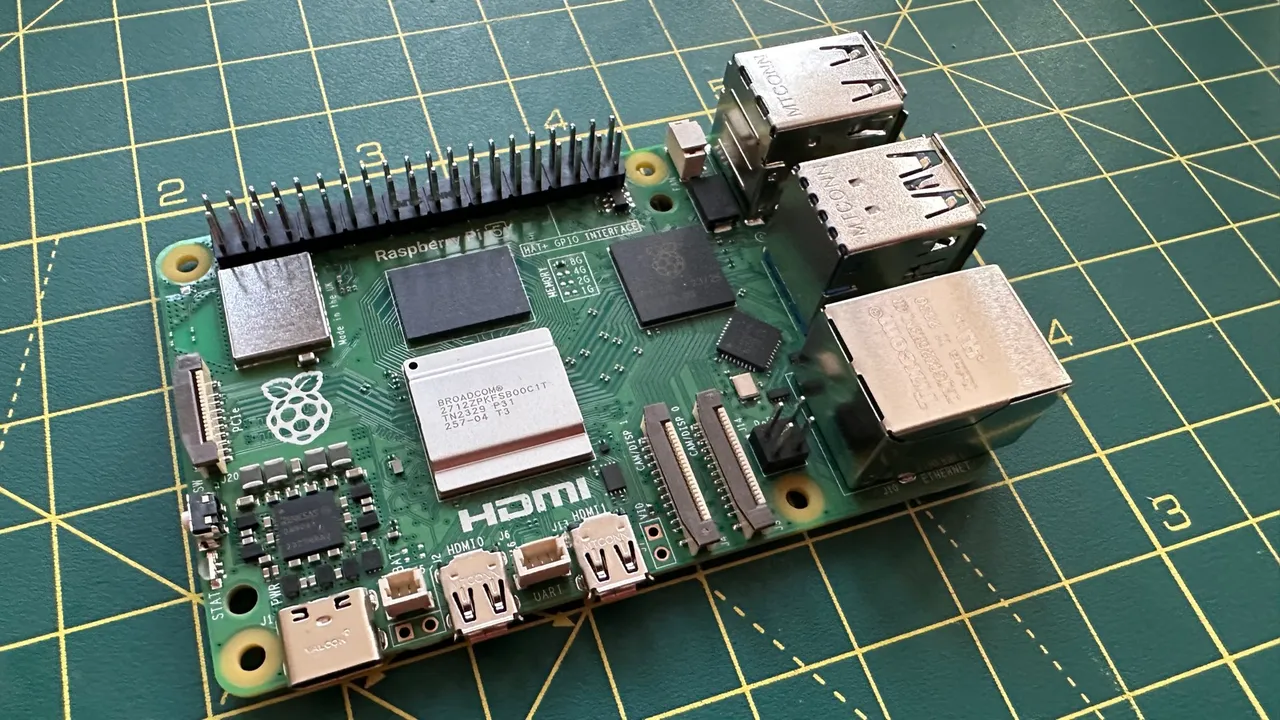
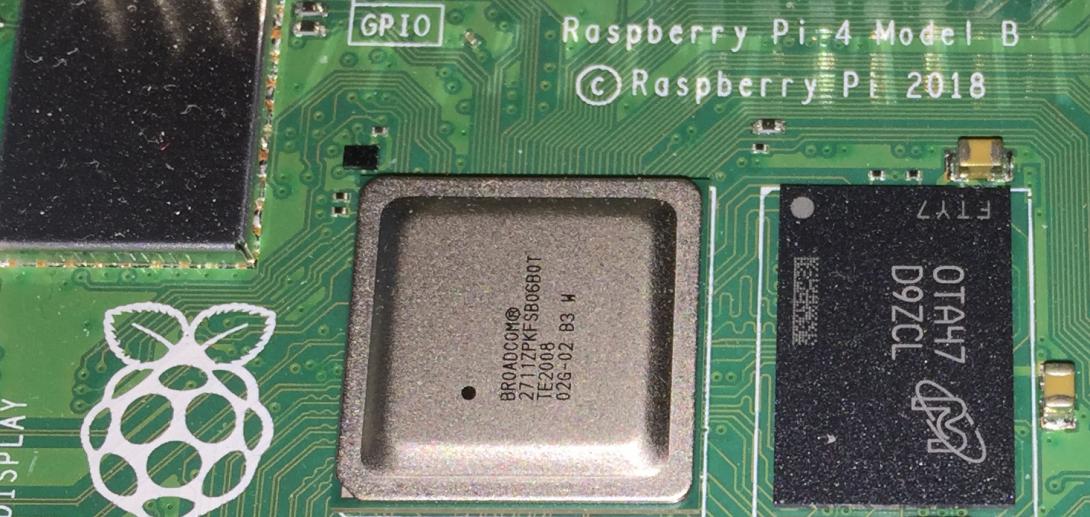
Raspberry Pi boards, once hailed as an affordable option for hobbyists and educators, have seen their prices climb sharply in recent months. What used to be a budget-friendly way to experiment with computing now costs as much as a mid-range laptop. For example, buying two 16GB Raspberry Pi 5 boards today could set you back the same as a brand-new MacBook Neo. This dramatic shift has left many longtime enthusiasts unsurprised, given the wider trends in the tech industry.
The primary driver behind this surge is the skyrocketing cost of RAM. Memory prices have been climbing steadily, fueled by growing demand from AI data centers that require vast amounts of high-performance memory to run large models and handle intensive computations. Manufacturers have openly cited this “unprecedented high demand” as a reason for redirecting resources away from consumer-grade products.
Initially, the spike was most noticeable in DDR5 RAM, but as consumers and smaller manufacturers continued using DDR4 modules, the price of those chips also surged. The ripple effect hit products like Raspberry Pi hard, as even boards designed for educational or hobbyist use rely heavily on memory for processing tasks efficiently.
Some of the largest memory manufacturers have adapted by shifting focus entirely toward enterprise and AI clients. For instance, Micron recently decided to wind down its Crucial consumer business to prioritize supplying memory for AI data centers. With this realignment, affordable RAM for consumer projects has become scarcer, making higher costs almost inevitable for devices like Raspberry Pi.