

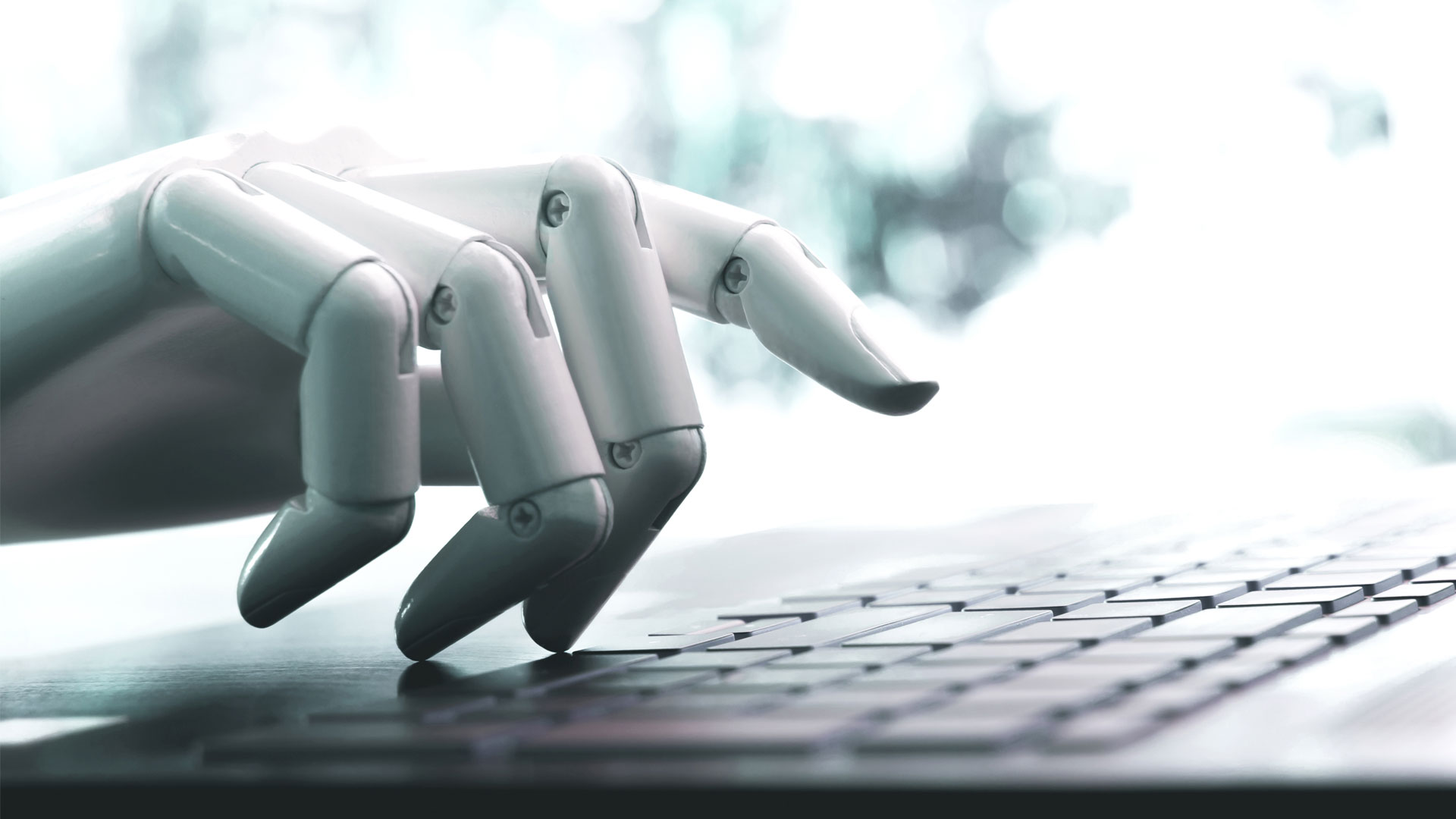

The era of AI as a simple chatbox is fading fast. Companies like OpenAI, Google, and Anthropic are racing to turn AI into full-fledged desktop agents that can actively use your computer.
From chatbots to “doers”
What started with tools like ChatGPT has rapidly evolved into systems that can:
- Write and run code
- Analyze files
- Interact with apps
- Automate multi-step tasks
Anthropic is currently leading the charge, expanding its Claude ecosystem with tools that allow AI agents to coordinate tasks, run coding sessions, and even be controlled remotely.
OpenAI and Google catching up
OpenAI is reportedly building a desktop “superapp” that merges ChatGPT, Codex, and an AI browser into one platform capable of autonomous actions on a user’s PC.
Meanwhile, Google is testing a desktop version of Gemini with “desktop intelligence,” allowing it to see and interpret what’s on your screen for contextual assistance.
The rise of agentic frameworks
The shift is being accelerated by platforms like OpenClaw, an open-source system that lets multiple AI agents work together in the background, controlled via messaging apps.
Even industry leaders like Jensen Huang have described such systems as “the new computer,” signaling a potential paradigm shift in how users interact with technology.
Power vs. privacy
These new tools promise unprecedented productivity—but also raise serious concerns. Granting AI agents access to files, apps, and system controls introduces risks around:
- Data privacy
- Security vulnerabilities
- Loss of user control
Despite assurances of sandboxing and safeguards, the trend is clear: AI is moving from assistant to operator.
A new computing model
As AI agents become more capable and integrated, the traditional idea of software—apps you manually control—may give way to systems that act on your behalf.
Whether that’s empowering or unsettling will depend on how these tools are built—and how much control users are willing to give up.