

Close Menu
Şevket Ayaksız

    Subscribe to Updates

    Get the latest creative news from FooBar about art, design and business.

    What's Hot

    Google Maps vs Waze: I Put the Two Best Navigation Apps Head-to-Head — and One Clearly Came Out on Top

    Mayıs 1, 2026

    Samsung Electronics Offers Free 32-Inch Odyssey gaming monitor: Eligibility and How to Claim Deal

    Mayıs 1, 2026

    T-Mobile Bundles Free Hulu and Netflix for 5G Users: Eligibility Explained

    Mayıs 1, 2026
    Facebook X (Twitter) Instagram
    • software
    • Gadgets
    Facebook X (Twitter) Instagram
    Şevket AyaksızŞevket Ayaksız
    Subscribe
    • Home
    • Technology

      Google Maps vs Waze: I Put the Two Best Navigation Apps Head-to-Head — and One Clearly Came Out on Top

      Mayıs 1, 2026

      T-Mobile Bundles Free Hulu and Netflix for 5G Users: Eligibility Explained

      Mayıs 1, 2026

      This Portable Mini PC Is the Unexpected Raspberry Pi Alternative You Might Actually Want

      Mayıs 1, 2026

      Samsung warns RAM shortages could worsen beyond 2027

      Mayıs 1, 2026

      Oxford study finds friendly AI chatbots are less accurate

      Mayıs 1, 2026
    • Adobe
    • Microsoft
    • java
    • Oracle
    Şevket Ayaksız
    Anasayfa » Exploring the Landscape of LLM Application Frameworks
    software

    Exploring the Landscape of LLM Application Frameworks

    By mustafa efeOcak 22, 2025Yorum yapılmamış2 Mins Read
    Facebook Twitter Pinterest LinkedIn Tumblr Email
    Share
    Facebook Twitter LinkedIn Pinterest Email

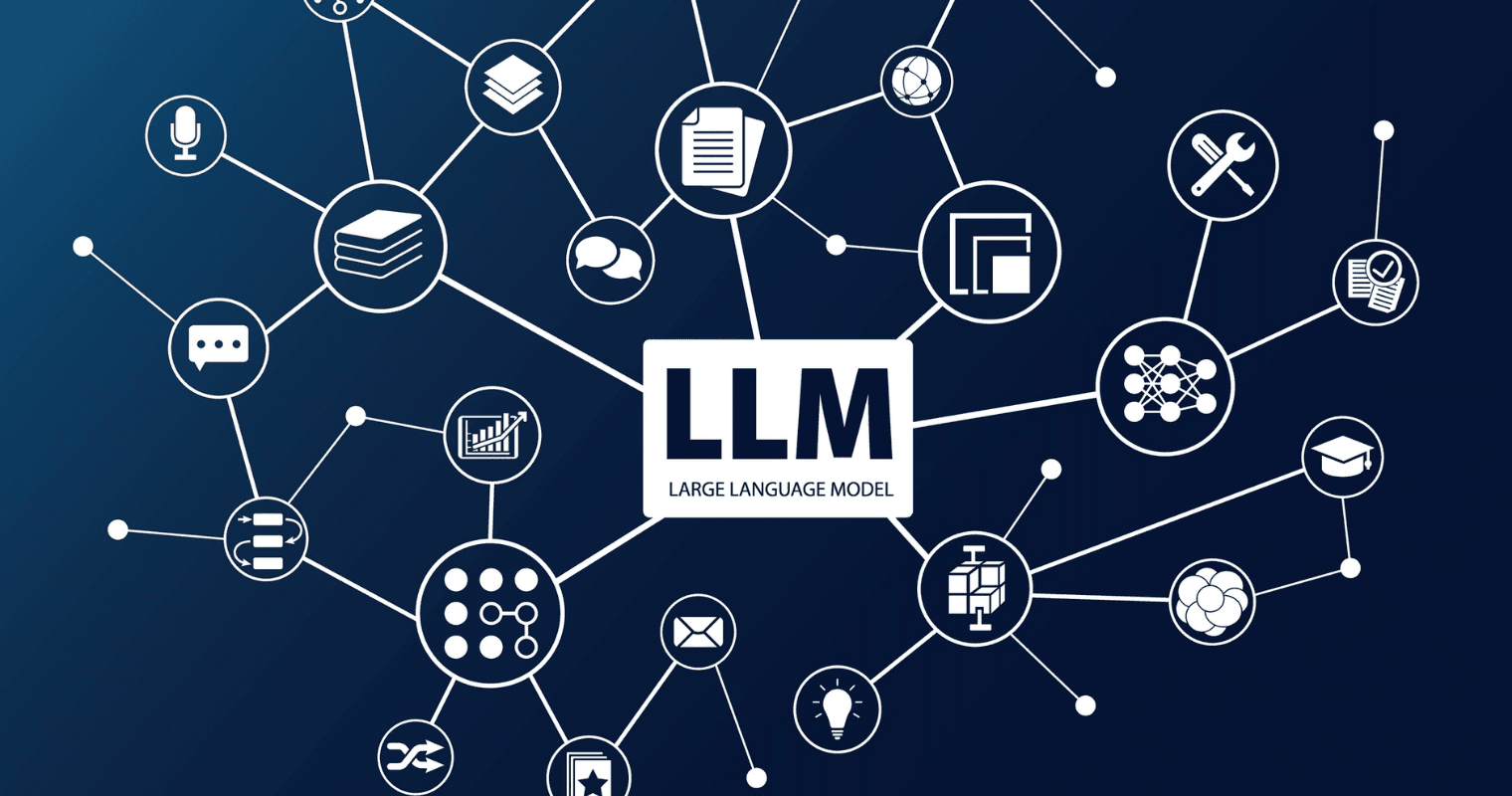
    Large language models (LLMs) have proven themselves as powerful tools, but by themselves, they’re often less reliable than they appear. The term “stochastic parrots” aptly describes their tendency to generate output that can be inaccurate or nonsensical. When combined with data for retrieval-augmented generation (RAG), however, LLMs become far more reliable. RAG systems can pull in relevant data, minimizing errors like “hallucinations” where LLMs invent information. Connecting these systems to software that can perform tasks—like sending emails or interacting with other applications—creates what are known as AI agents, making them far more practical and useful. But these systems don’t just appear fully formed; they require a framework to integrate and orchestrate the various components.

    LLM application frameworks serve as the essential infrastructure, or “plumbing,” that ties these components together. Think of them as orchestration providers that help streamline how LLMs interact with data sources, vector databases, and other software. In a RAG application, for example, the framework is responsible for linking encoders to vector databases, enhancing user queries with the results from database lookups, and passing that information along to the LLM. The model’s output is then sent back to the user. Frameworks like Haystack utilize components and pipelines to create and manage these complex interactions, making it easier to build and deploy applications using LLMs.

    The primary benefit of LLM application frameworks is that they significantly reduce the amount of code developers need to write. These frameworks have been designed and refined by experts, thoroughly tested by a wide user base, and proven in production environments. This gives developers confidence that the “plumbing” will function correctly, allowing them to focus on higher-level tasks rather than coding all the underlying infrastructure from scratch.

    LLM application frameworks have diverse use cases across a range of industries and applications. They can be used in systems for RAG, chatbot development, AI agents, generative multi-modal question answering, information extraction from documents, and more. While all of these applications rely on LLMs, vector search, and data retrieval, each serves a different purpose, from automating simple tasks to answering complex questions or analyzing large amounts of text. The frameworks make it easier to build these specialized applications, ensuring they function reliably and efficiently.

    Post Views: 224
    Data Management Programming Languages Software Development
    Share. Facebook Twitter Pinterest LinkedIn Tumblr Email
    mustafa efe
    • Website

    Related Posts

    Anthropic’s Claude Security Tool Analyzes Codebases to Detect Vulnerabilities and Prioritize Fixes

    Mayıs 1, 2026

    Microsoft’s Windows Insider Program Finally Becomes More Streamlined and User-Friendly

    Nisan 11, 2026

    Microsoft launches tool to gather user feedback on Windows issues

    Nisan 8, 2026
    Add A Comment

    Comments are closed.

    Editors Picks
    8.5

    Apple Planning Big Mac Redesign and Half-Sized Old Mac

    Ocak 5, 2021

    Autonomous Driving Startup Attracts Chinese Investor

    Ocak 5, 2021

    Onboard Cameras Allow Disabled Quadcopters to Fly

    Ocak 5, 2021
    Top Reviews
    9.1

    Review: T-Mobile Winning 5G Race Around the World

    By sevketayaksiz
    8.9

    Samsung Galaxy S21 Ultra Review: the New King of Android Phones

    By sevketayaksiz
    8.9

    Xiaomi Mi 10: New Variant with Snapdragon 870 Review

    By sevketayaksiz
    Advertisement
    Demo
    Şevket Ayaksız
    Facebook X (Twitter) Instagram YouTube
    • Home
    • Adobe
    • microsoft
    • java
    • Oracle
    • Contact
    © 2026 Theme Designed by Şevket Ayaksız.

    Type above and press Enter to search. Press Esc to cancel.