

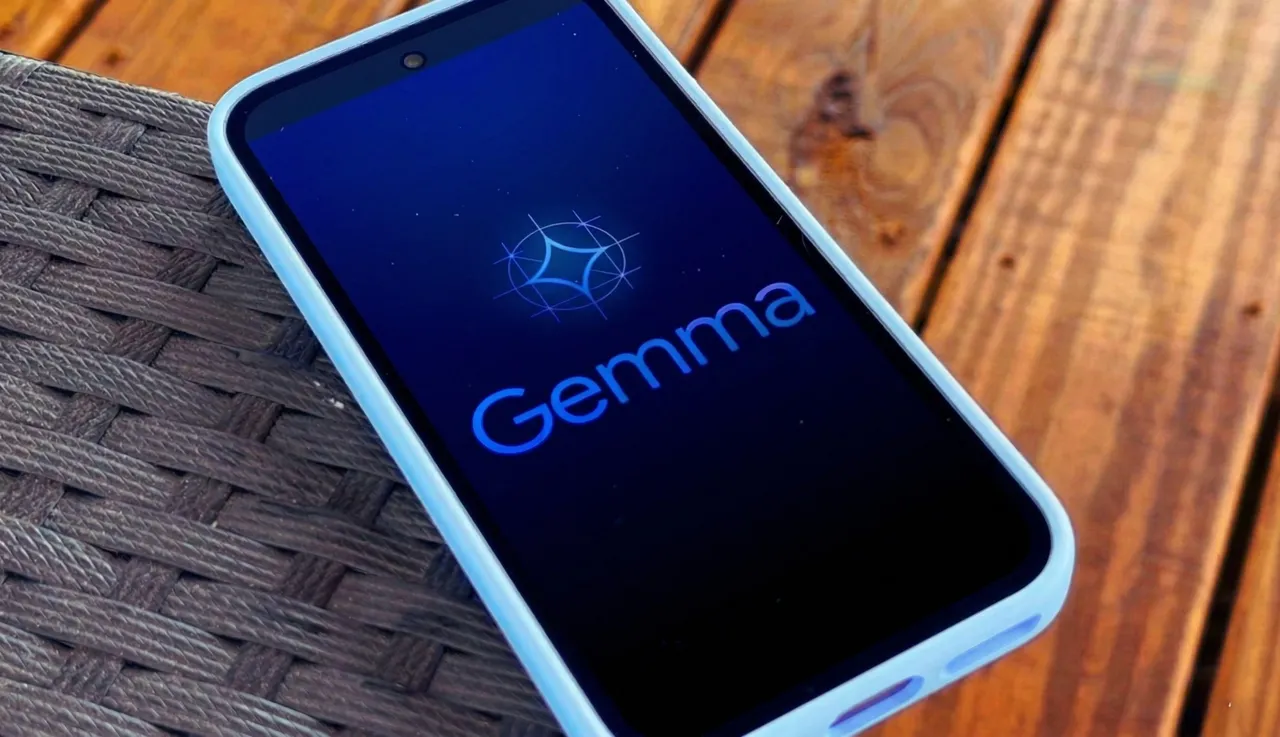
Google has introduced Gemma 4 through its Google DeepMind unit, marking a major step forward in the company’s open AI efforts. Unlike earlier versions, this new generation of large language models is released under the Apache 2.0 license, making it fully open source. This shift removes many of the restrictions seen in previous releases and allows developers, researchers, and enthusiasts to freely use, modify, and distribute the model.
At its core, Gemma is a large language model similar in nature to Gemini, but it serves a different purpose. While Gemini is positioned as a polished, consumer-facing AI service with subscription-based access, Gemma is designed as the underlying engine that powers AI capabilities. It can be downloaded and run locally, giving users direct control over how the model is used without depending on cloud infrastructure.
One of the biggest advantages of Gemma 4 is its ability to run efficiently on local devices, including smartphones and personal computers. This opens up new possibilities for on-device AI applications, such as offline assistants, private data processing, and custom AI tools tailored to individual needs. By removing the need for constant internet access and subscription fees, Google is making advanced AI more accessible to a broader audience.
The move toward fully open-source AI also reflects growing demand for transparency and flexibility in the field. Developers who prefer to experiment, build, or deploy AI solutions independently can now leverage Gemma 4 without the limitations of closed ecosystems. As a result, this release could accelerate innovation across industries, especially in areas where privacy, customization, and cost efficiency are critical factors.