

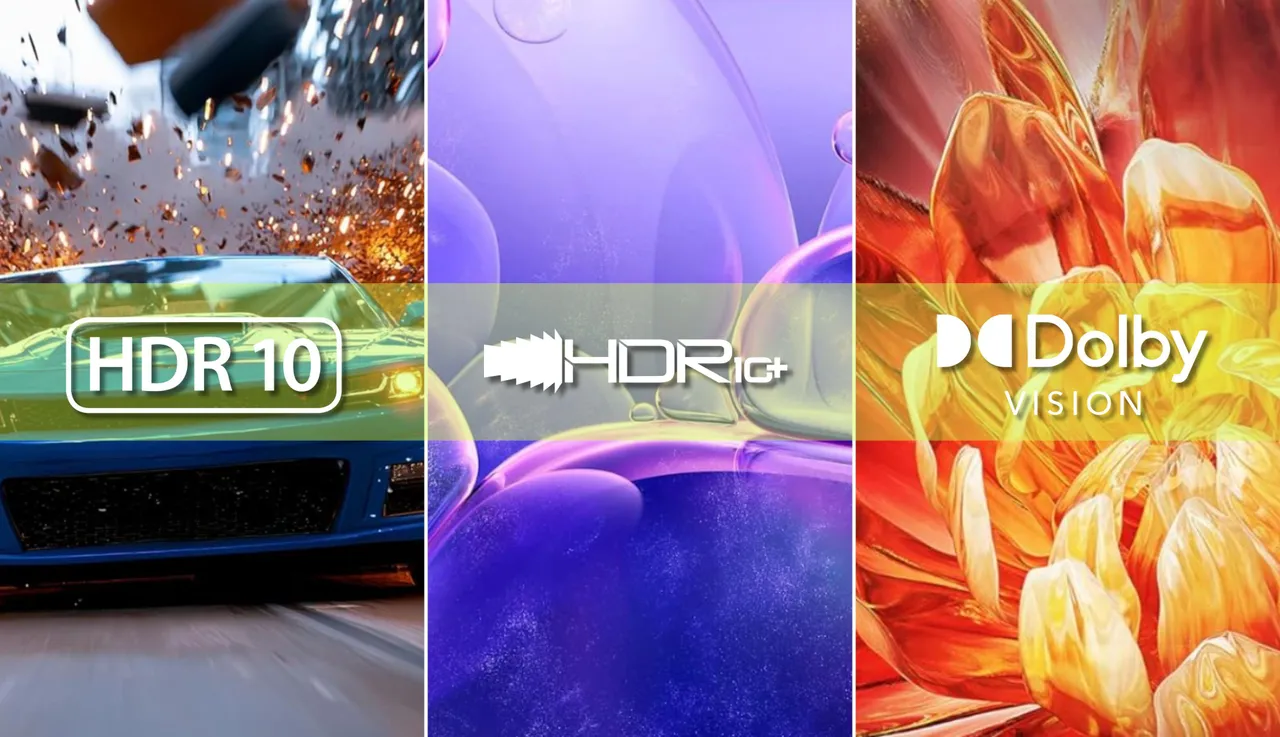

When shopping for a modern TV, understanding terms like HDR10, HDR10+, and Dolby Vision is essential. These aren’t just marketing buzzwords—they represent different HDR (High Dynamic Range) formats that affect how content looks on your screen. While all three enhance brightness, contrast, and color compared to standard displays, they differ in how they manage this enhancement. Knowing these differences can help you choose the best TV format for your viewing preferences.
The main distinction lies in how each format uses metadata to control brightness and color. HDR10 uses static metadata, applying the same settings across an entire movie or show. In contrast, HDR10+ and Dolby Vision utilize dynamic metadata, adjusting brightness and color on a scene-by-scene—or even frame-by-frame—basis. Put simply, HDR10 delivers a one-size-fits-all experience, while HDR10+ and Dolby Vision provide fine-tuned, optimized visuals for every moment, resulting in a more immersive viewing experience.
In 2026, HDR10 remains the baseline HDR format for nearly all TVs. As an open standard introduced over a decade ago, it is supported by virtually every HDR-capable television on the market. Most HDR content is available in HDR10, ensuring compatibility across devices. Even when a show or movie is mastered in HDR10+ or Dolby Vision, it is usually still offered in HDR10 to maintain wider accessibility.
For those seeking the best picture quality, HDR10+ and Dolby Vision are often preferable due to their dynamic adjustments. Many premium TV brands now support these formats, allowing viewers to enjoy richer colors, deeper contrasts, and brighter highlights. When deciding which HDR format to prioritize, consider the types of content you watch, the TV models available, and whether you value scene-by-scene optimization over baseline compatibility. Choosing the right HDR format can dramatically improve your home theater experience.