

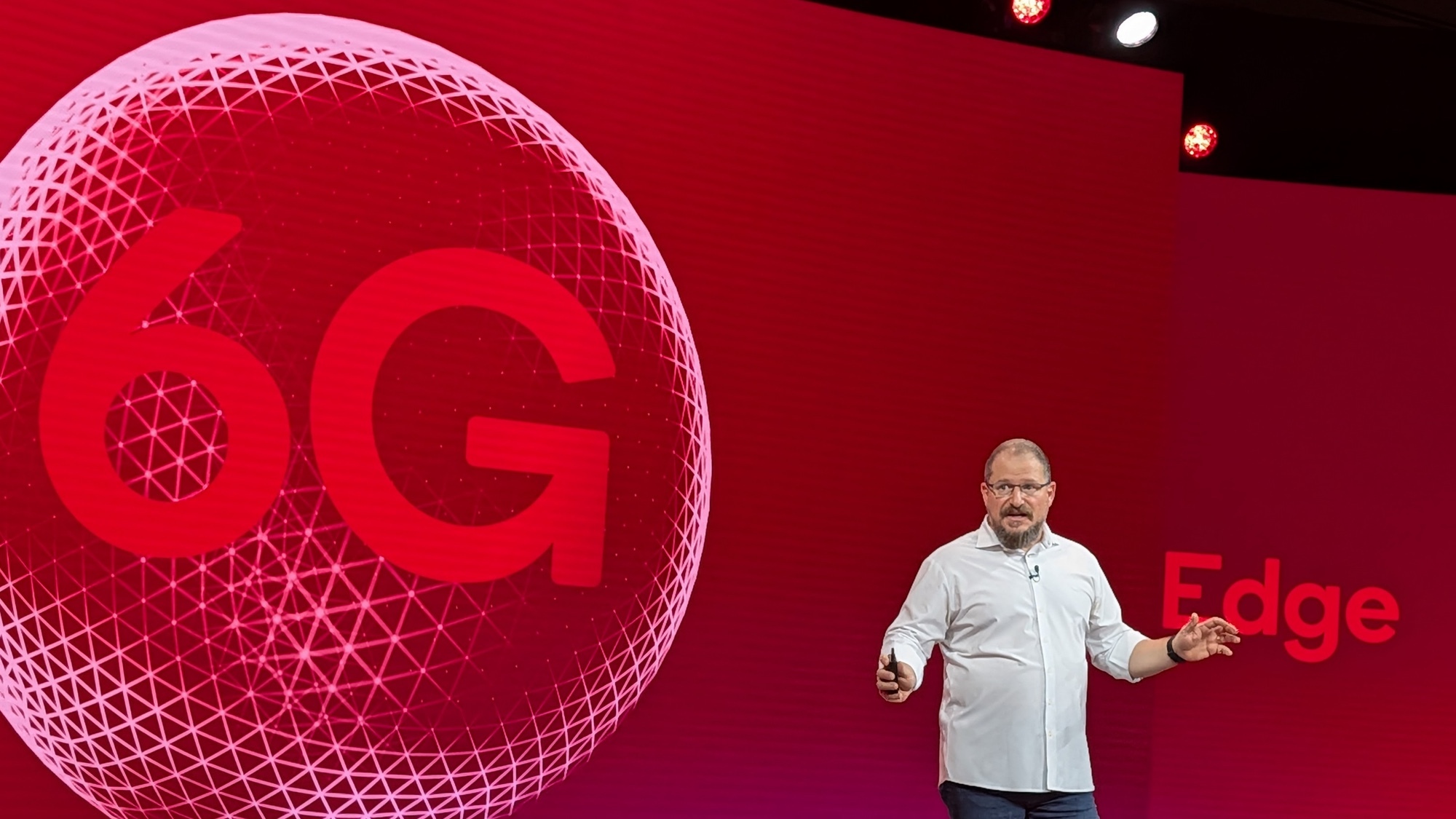

Qualcomm is redefining its roadmap with an ambitious vision for the coming decade. At this year’s Snapdragon Summit in Maui—marking ten years of the event—chief executive Cristiano Amon unveiled what he called a “new phase of Snapdragon,” focused on embedding artificial intelligence into every layer of technology. The rallying cry was simple but sweeping: “AI everywhere.” Amon also confirmed that Qualcomm is on track to deliver 6G connectivity in 2028, framing it as a cornerstone of future AI-enabled devices and services.
The announcement came alongside remarks from Google’s Rick Osterloh, senior director of devices and services, who hinted at broader changes in the PC ecosystem. Osterloh suggested that Google is building a common technical base for its platforms, seemingly pointing toward a convergence of ChromeOS and Android. Such an alignment would create a more unified developer environment while further supporting the AI-driven experiences that companies like Qualcomm are emphasizing.
Qualcomm’s broader message was about scale. In 2024, the company showcased how AI could be personalized at the device level, with advances like multimodal assistance and large local models. In 2025, Amon said, the focus will be on scaling that intelligence across an ecosystem of devices. He described a world in which smartphones act as the hub, while wearables, glasses, and other connected hardware act as specialized “agents” that interact with the phone’s AI to handle tasks like calendar management, banking, or problem resolution. Amon dubbed this interconnected network of devices the “ecosystem of you.”
Central to this future is a hybrid model of AI development and deployment. According to Amon, the cloud will continue to play a vital role in training massive models, but personalization and efficiency will increasingly happen at the edge. Devices will fine-tune models with user-specific data, applying them in real time where responsiveness and privacy matter most. This “tiered” approach ensures that handhelds, PCs, and servers don’t just operate independently but work in concert. As Amon summarized: “AI is the new UI”—a bold claim that positions artificial intelligence as the defining interface for the next generation of computing.