

Nvidia RTX 5060 Ti Sales Highlight a Clear Gamer Demand for 16GB VRAM Over 8GB
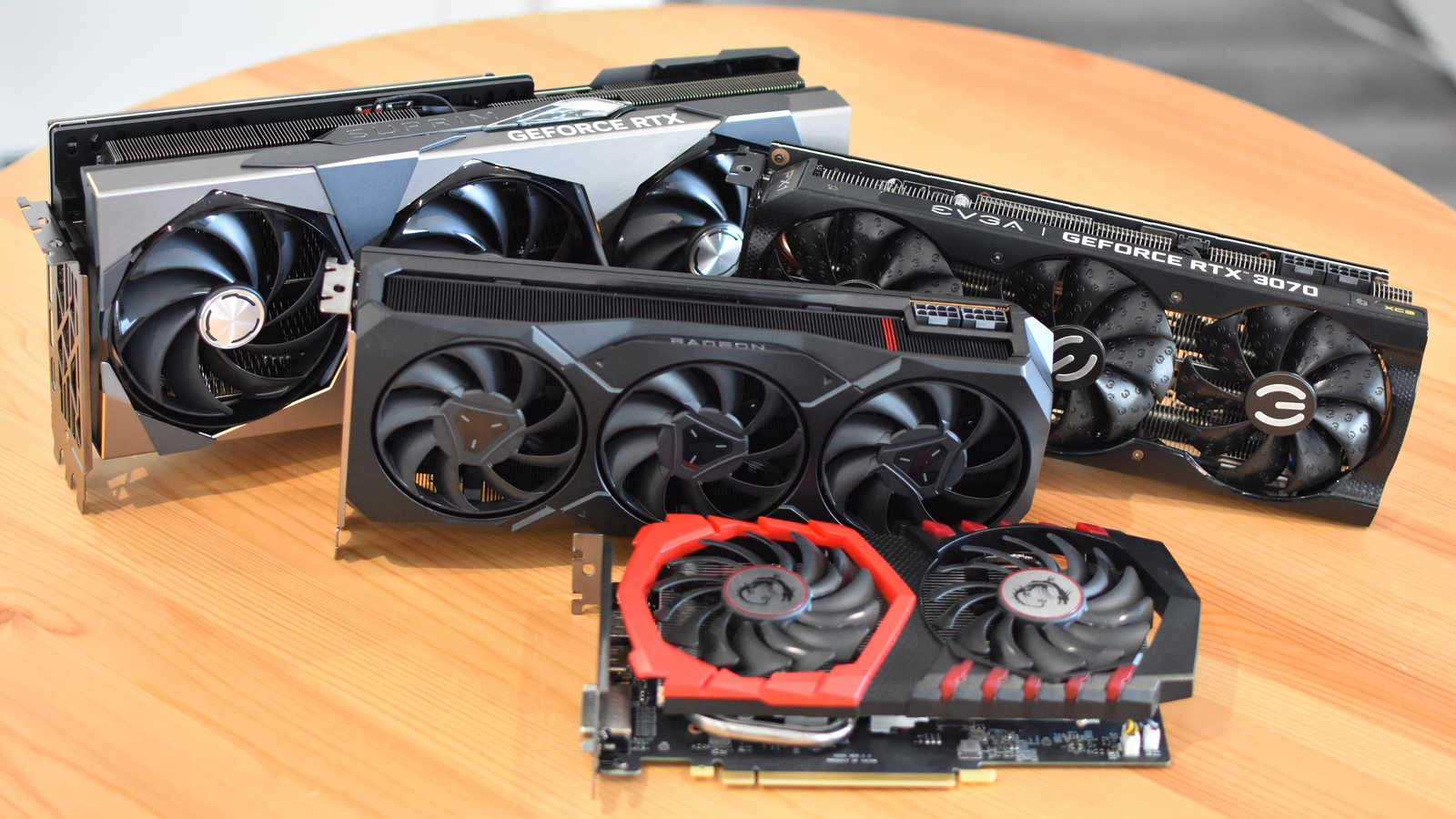
The graphics card market continues to see steep price increases and rising performance demands, but one intriguing insight comes from sales data on Nvidia’s RTX 5060 Ti, which launched in April 2025 in two memory configurations: 8GB at $379 and 16GB at $429 MSRP. Despite the relatively small price difference, the 16GB model is dominating sales, outselling the 8GB version by a stunning factor of 16-to-1 according to German retailer Mindfactory.de.
Specifically, Mindfactory’s numbers show 1,675 units sold of the 16GB RTX 5060 Ti, compared to just 105 of the 8GB model. This data challenges the notion that 8GB VRAM is sufficient for most gamers today, highlighting instead a strong market demand for the larger memory buffer. The bigger VRAM capacity translates to better handling of high-resolution textures, improved future-proofing, and a smoother gaming experience at 1440p or even 4K settings.
Interestingly, Nvidia did not provide advance reviews for the 8GB variant, perhaps anticipating its weaker appeal among reviewers and gamers alike. This sales trend corroborates that expectation, demonstrating that consumers are increasingly prioritizing VRAM over small incremental price savings.
While this data is localized and limited to one retailer, it offers an invaluable “retail ground truth” that is often missing from broad market surveys or tech press reviews. It also contrasts with budget segment GPUs, where 8GB VRAM remains common and acceptable—such as Nvidia’s $250 RTX 5050 or Intel’s Arc B570 with 10GB of older GDDR6 memory.
The situation recalls Nvidia’s previous product adjustments, including the controversial cancellation of the RTX 4080 12GB model due to pricing backlash, and shows how the company is learning to calibrate offerings to gamer expectations.
It will be especially interesting to track how system builders and OEMs utilize these memory options, as 8GB versions may still find traction in prebuilt PCs where cost constraints dominate.
AMD’s Radeon RX 9060 XT also competes with 8GB and 16GB variants at a slightly lower price range, and sales figures there could provide further insight into whether VRAM capacity is the primary factor influencing consumer choice or if other variables like brand and performance per dollar hold sway.
In short, this sharp preference for the RTX 5060 Ti 16GB model reflects a broader industry and consumer shift: VRAM matters more than ever, and gamers are increasingly unwilling to compromise on memory even if it costs a bit more upfront. The next few months will reveal whether this trend persists across other segments and brands.