

Close Menu
Şevket Ayaksız

    Subscribe to Updates

    Get the latest creative news from FooBar about art, design and business.

    What's Hot

    Why I Switched From iPhone Hotspot to a 5G Travel Router for Good

    Nisan 18, 2026

    Apple AirTags Revisited After 5 Years: How They Stack Up Today

    Nisan 18, 2026

    Verizon Offers Free iPad or Apple Watch With New iPhone Purchase: Here’s How It Works

    Nisan 18, 2026
    Facebook X (Twitter) Instagram
    • software
    • Gadgets
    Facebook X (Twitter) Instagram
    Şevket AyaksızŞevket Ayaksız
    Subscribe
    • Home
    • Technology

      Why I Switched From iPhone Hotspot to a 5G Travel Router for Good

      Nisan 18, 2026

      Verizon Offers Free iPad or Apple Watch With New iPhone Purchase: Here’s How It Works

      Nisan 18, 2026

      How to Use AI Safely at Work: 4 Practical Tips

      Nisan 18, 2026

      Turn an Old Tablet into a Smart Home Control Hub

      Nisan 18, 2026

      Gemini Mac App Tested: Key Edge Over Web Version

      Nisan 18, 2026
    • Adobe
    • Microsoft
    • java
    • Oracle
    Şevket Ayaksız
    Anasayfa » Scientists detect possible rotation reversal in Earth’s core
    Insights

    Scientists detect possible rotation reversal in Earth’s core

    By ayaksızEylül 4, 2025Yorum yapılmamış2 Mins Read
    Facebook Twitter Pinterest LinkedIn Tumblr Email
    Share
    Facebook Twitter LinkedIn Pinterest Email

    In 2024, geophysicists from the U.S. and China announced a discovery that sounds like something out of science fiction: Earth’s inner core had slowed so dramatically that, compared to the crust, it appeared to stop spinning. For most people, the change is invisible—our world keeps turning, the days march on—but beneath the surface, this hidden process reveals a new dimension of how our planet operates.

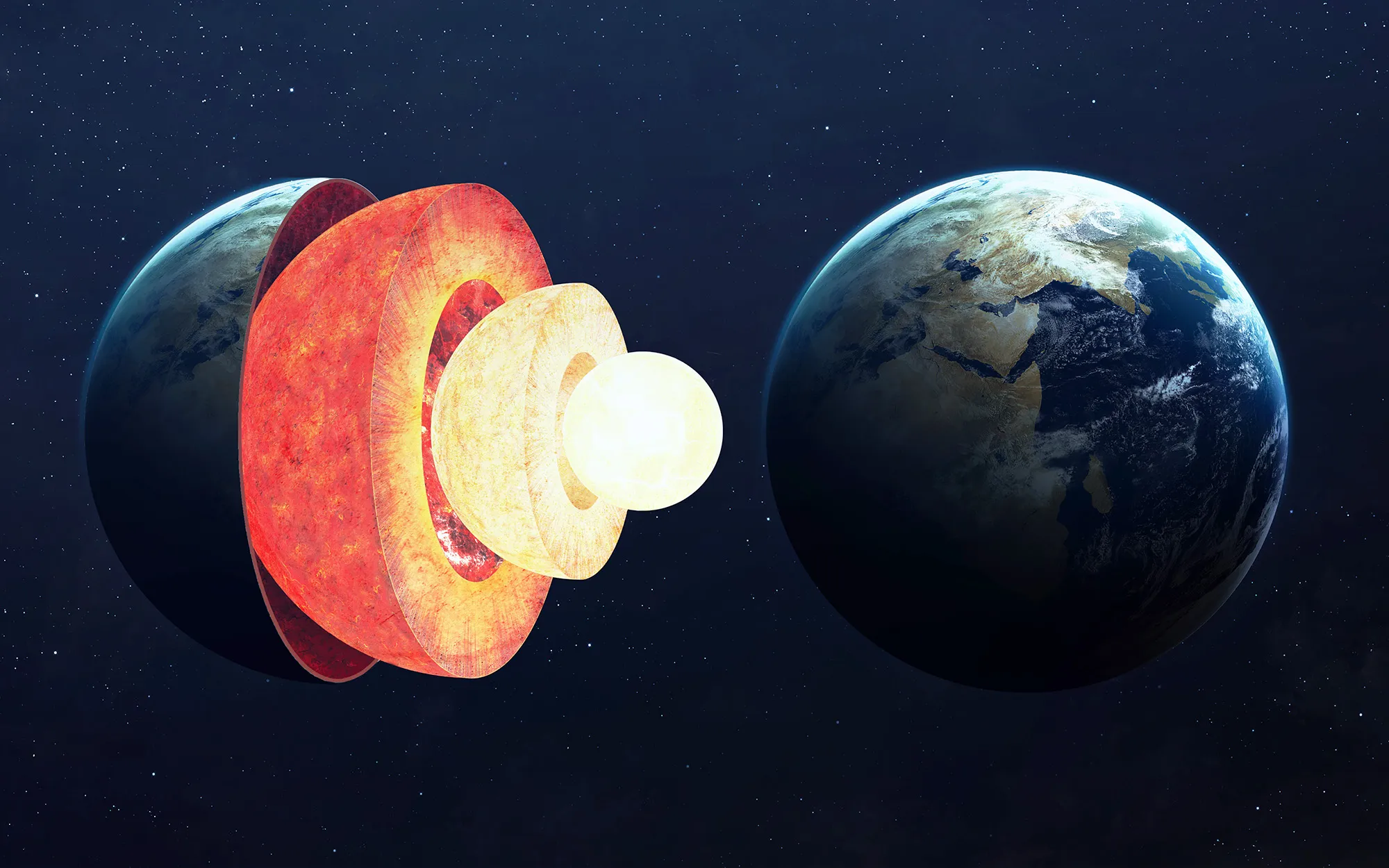
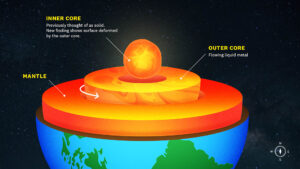
    The Earth’s interior is structured in layers, with the metallic core at its center. The outer core is a turbulent ocean of molten iron and nickel that powers our magnetic field, while the inner core is a blisteringly hot solid ball of the same metals, with temperatures matching the surface of the sun. This inner core sits thousands of miles beneath us, beginning at a depth of around 3,200 miles, well beyond human reach but not beyond the probing tools of seismic science.

    Seismologists, by studying how earthquake waves travel through the planet, discovered that the inner core doesn’t rotate at a constant pace. Instead, it fluctuates. Sometimes it spins slightly faster than the crust, sometimes slower, and during certain intervals, the difference narrows to the point where it looks like the core has stopped entirely. Crucially, this is only relative motion: the inner core never truly halts or reverses, but its changes in speed create the illusion of shifting direction.

    Data suggests the latest slowdown began in 2009. Since then, the lag between the core and the crust has steadily grown. Researchers believe this process fits into a repeating 70-year cycle, with the relative direction shifting about every 35 years. Such cycles could have subtle but measurable effects on Earth’s systems. For example, they may slightly alter the length of a day, though only by a few milliseconds. To us, this is imperceptible, but it matters in fields like astronomy, navigation, and satellite operations, where precision is critical.

    Beyond timekeeping, the movement of the inner core may also influence Earth’s magnetic field and potentially climate systems, though the exact links remain under study. What’s clear is that Earth is far more dynamic than it seems. Beneath the solid ground we take for granted, a vast, shifting engine is in motion—sometimes in sync with the surface, sometimes falling behind, but always reminding us that our planet is alive from the inside out.

    Post Views: 146
    Share. Facebook Twitter Pinterest LinkedIn Tumblr Email
    ayaksız
    • Website

    Related Posts

    Valve unsure on Steam Machine launch timing amid delays

    Mart 21, 2026

    Fake “1.1TB” laptop listings on Amazon mislead buyers

    Mart 21, 2026

    Firefox redesign preview shows a more rounded, modern look

    Mart 21, 2026
    Add A Comment

    Comments are closed.

    Editors Picks
    8.5

    Apple Planning Big Mac Redesign and Half-Sized Old Mac

    Ocak 5, 2021

    Autonomous Driving Startup Attracts Chinese Investor

    Ocak 5, 2021

    Onboard Cameras Allow Disabled Quadcopters to Fly

    Ocak 5, 2021
    Top Reviews
    9.1

    Review: T-Mobile Winning 5G Race Around the World

    By sevketayaksiz
    8.9

    Samsung Galaxy S21 Ultra Review: the New King of Android Phones

    By sevketayaksiz
    8.9

    Xiaomi Mi 10: New Variant with Snapdragon 870 Review

    By sevketayaksiz
    Advertisement
    Demo
    Şevket Ayaksız
    Facebook X (Twitter) Instagram YouTube
    • Home
    • Adobe
    • microsoft
    • java
    • Oracle
    • Contact
    © 2026 Theme Designed by Şevket Ayaksız.

    Type above and press Enter to search. Press Esc to cancel.