

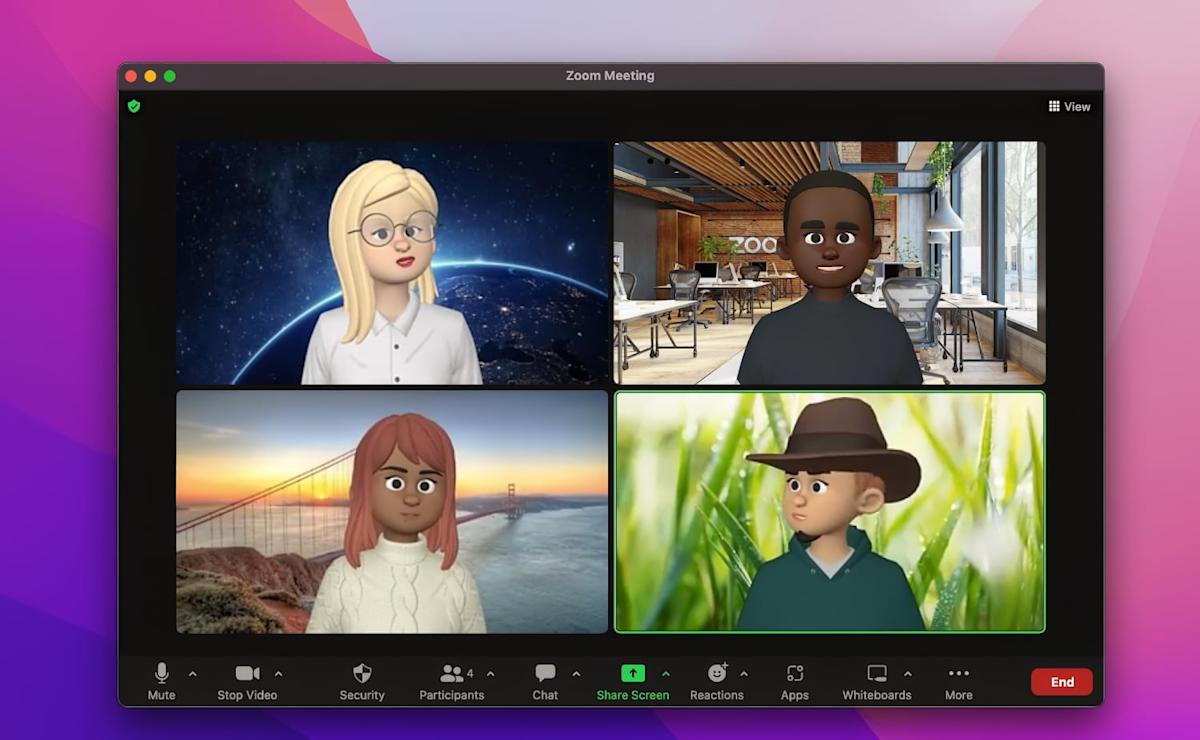

The days of turning off your camera in a Zoom call may be numbered, as the company prepares to roll out photorealistic avatars for Zoom Workplace. Set to debut in December, the avatars will mirror a user’s movements and expressions, effectively serving as a digital twin that keeps them “present” even if they’d rather not appear on camera. Zoom pitched the feature at its Zoomtopia conference as part of its ongoing effort to make virtual collaboration more natural.
Zoom is also joining competitors in adding live voice translation. Unlike Microsoft and Google, which have tested the feature in just a few languages, Zoom has not disclosed its full language lineup but confirmed that the rollout will begin in December. The platform is likewise addressing video performance with support for 1080p at 60Hz, promising smoother motion than the 30Hz streams most webcams currently offer. Users will also be able to share 4K content, even if full 4K video calls remain unsupported.
AI integration continues to expand as well. A new group assistant called Zoomie will handle tasks like checking meeting availability, surfacing relevant documents, and confirming action items, making it easier for teams to stay organized. Together with whiteboards, chat, and project management tools already in place, Zoom’s latest upgrades show how the once-simple video calling app is transforming into a broader collaboration suite rivaling Microsoft Teams and Google Workspace.