

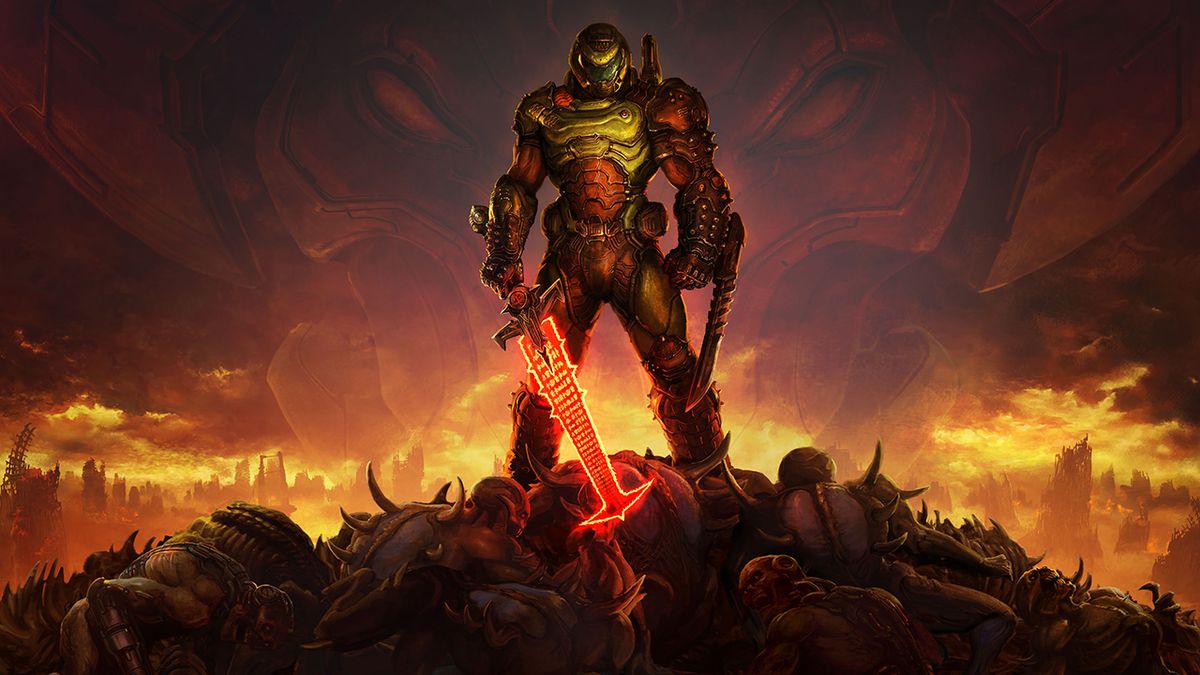

Gamers have long joked that Doom can run on anything—from smart fridges to calculators—but one fan has now demonstrated just how long the iconic shooter can run before finally giving in to system limits. The answer: years. A poster on the Len0w0 forum, known as “Minki,” recently concluded a marathon experiment that saw Doom operating continuously for more than 2.5 years before crashing due to an expected overflow error in the engine.
The test was born from theory. By examining the way the Windows 3.1 port of Doom handles variables, Minki estimated that the game would eventually fail after about two and a half years of uninterrupted play. To put this to the test, they chose an unusual piece of hardware: an Asus MyPal Windows Mobile Pocket PC, a device dating back to the early 2000s. The compact handheld, kept alive with a 5-volt power feed and an uninterruptible power supply, became the stage for one of the longest continuous game runs ever attempted.
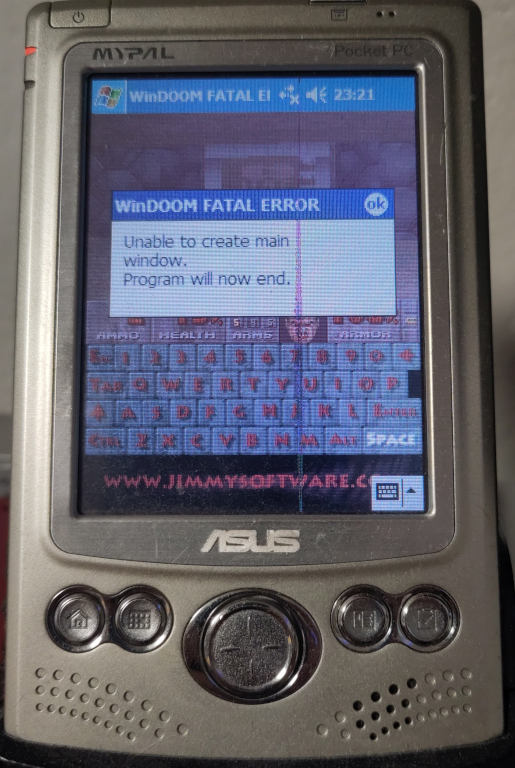
Yesterday, the long wait came to an end. The game finally hit the predicted overflow condition and crashed, almost exactly in line with Minki’s forecast. According to their report, the failure occurred within hours of the mathematical estimate—an impressive testament to both the accuracy of the prediction and the reliability of the decades-old software running the test.
The outcome not only underscores Doom’s enduring reputation for stability but also serves as a quirky showcase of technical dedication within the gaming community. What began as a theoretical calculation became a two-year-long proof of concept, blending mathematics, computer science, and gaming culture into one remarkable result. For a title that has been ported, modified, and stress-tested more than almost any other, Doom once again proves it still has the power to surprise.