

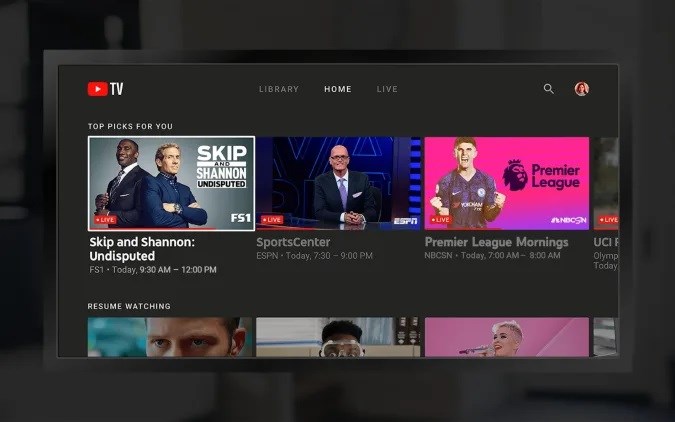
Another chapter has been added to the ongoing saga of corporate disputes in the streaming era: Disney’s channels, including ESPN and ABC, have disappeared from YouTube TV, following a breakdown in contract negotiations between the two media giants. The removal occurred just before midnight Eastern time, as both sides failed to finalize a renewal agreement. For millions of subscribers, this means no access to Disney’s extensive portfolio of networks — and even more frustratingly, previously recorded programs from those channels have been wiped from the platform’s DVR system. The development highlights how the streaming industry, once heralded as a simpler alternative to cable, has increasingly adopted the same messy, consumer-unfriendly practices that once defined traditional TV.
The dispute stems from a carriage agreement, the contractual framework that determines how much a provider like YouTube TV must pay a content owner like Disney. Such negotiations have long been fraught with tension in the broadcast world, and YouTube TV has become a flashpoint for these conflicts in recent years, previously clashing with NBC, Paramount, and Fox. In this case, Disney accuses Google of attempting to use its “market dominance to eliminate competition” by demanding more favorable terms than traditional distributors receive. Google counters that Disney is trying to leverage its content to benefit rival services such as Hulu + Live TV, which Disney also owns, and which competes directly with YouTube TV.
The timing could hardly be worse. With sports fans in the U.S. fully engaged in the NFL, NBA, NHL, and college football seasons, the loss of ESPN and other Disney channels leaves a gaping hole in YouTube TV’s offerings. The platform’s $83 monthly fee now feels even steeper without access to flagship sports programming. For those hoping to watch major matchups or primetime series, the blackout could not come at a more inopportune moment. While Google promises to issue a $20 refund to affected subscribers if the outage extends, that’s unlikely to ease frustrations among viewers missing high-profile games and shows.
The dispute underscores a broader reality of the modern streaming market: consolidation and competition are forcing companies to prioritize their own ecosystems over shared access. Disney, which now controls several major streaming platforms, is in a position to withhold valuable content in favor of bolstering its own services. Google, meanwhile, is defending its margins in an increasingly expensive live TV landscape. The result is a standoff that reflects the industry’s growing pains — and for consumers, a reminder that even the digital future of television is far from free of the old power struggles that once defined cable.