

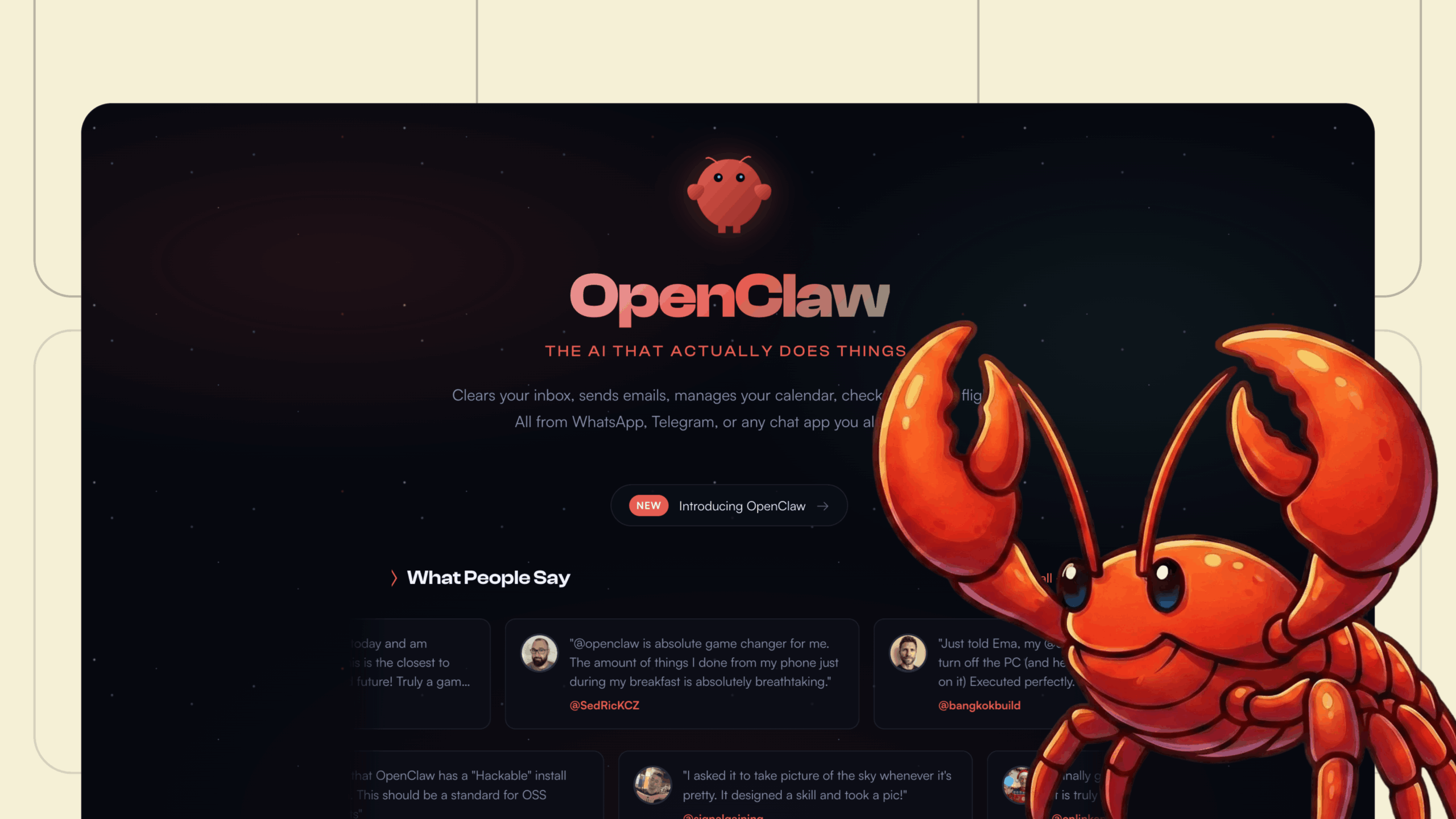

Users who connected their flat-rate Claude or Gemini subscriptions to the viral AI agent OpenClaw via OAuth are now facing account bans from both Anthropic and Google.
Reports have surfaced of users losing access to their paid AI plans—often without warning—after authenticating OpenClaw using their Claude or Google OAuth credentials. While core Google services like Gmail and Drive generally remain unaffected, access to premium AI subscriptions has been revoked in many cases, with little clarity on refunds or reinstatement.
The controversy centers on how OpenClaw users authenticated their accounts. OAuth—commonly used for “Sign in with Google” style logins—was leveraged to connect flat-rate Claude and Gemini plans directly to OpenClaw. While technically possible, this approach appears to violate provider terms of service, which typically require third-party tools to use paid API access rather than unlimited flat-rate subscriptions.
API access charges by token usage, meaning users pay based on how much data the AI processes. In contrast, flat-rate plans offer broad access for a fixed monthly fee. OpenClaw’s advanced “agentic” behavior can consume massive amounts of tokens—sometimes millions in a single afternoon—making flat-rate OAuth access economically unsustainable for providers.
A Google DeepMind engineer acknowledged a “massive increase in malicious usage” tied to OpenClaw-style access patterns, claiming service quality had degraded for other users. Google says some affected users may receive a path to reinstatement if they were unaware of policy violations, but capacity is limited.
Anthropic has also reportedly taken action against similar usage patterns. Meanwhile, OpenAI has not issued comparable bans, possibly due to its closer relationship with OpenClaw’s creator. OpenClaw remains open-source, though its explosive popularity appears to have accelerated enforcement efforts.
The underlying issue is less about OAuth itself and more about bypassing API-based billing models. AI providers are willing to support heavy OpenClaw usage—so long as it’s paid for through token-metered APIs rather than flat-rate subscriptions.
For users, the message is clear: using OAuth credentials to power third-party AI tools may be technically feasible, but enforcement is tightening fast. For now, if you want to run OpenClaw at full throttle, expect to do so on a pay-per-token basis.