


Close Menu
Şevket Ayaksız

    Subscribe to Updates

    Get the latest creative news from FooBar about art, design and business.

    What's Hot

    Windows 11 bug has blocked updates for some PCs since February

    Mayıs 24, 2026

    Anker’s 25,000mAh laptop power bank drops $39 to $96

    Mayıs 24, 2026

    Ring Indoor Cam Plus drops to a record-low $35 on Amazon

    Mayıs 24, 2026
    Facebook X (Twitter) Instagram
    • software
    • Gadgets
    Facebook X (Twitter) Instagram
    Şevket AyaksızŞevket Ayaksız
    Subscribe
    • Home
    • Technology

      HP OmniBook 5 drops to $699 with 16GB RAM and long battery life

      Mayıs 11, 2026

      Anker’s 9-port charging station drops to $34 on Amazon

      Mayıs 11, 2026

      DDR5 counterfeits surge as the RAM shortage worsens

      Mayıs 11, 2026

      Google Maps vs Waze: I Put the Two Best Navigation Apps Head-to-Head — and One Clearly Came Out on Top

      Mayıs 1, 2026

      T-Mobile Bundles Free Hulu and Netflix for 5G Users: Eligibility Explained

      Mayıs 1, 2026
    • Adobe
    • Microsoft
    • java
    • Oracle
    Şevket Ayaksız
    Anasayfa » OpenClaw ban wave hits users linking AI accounts
    software

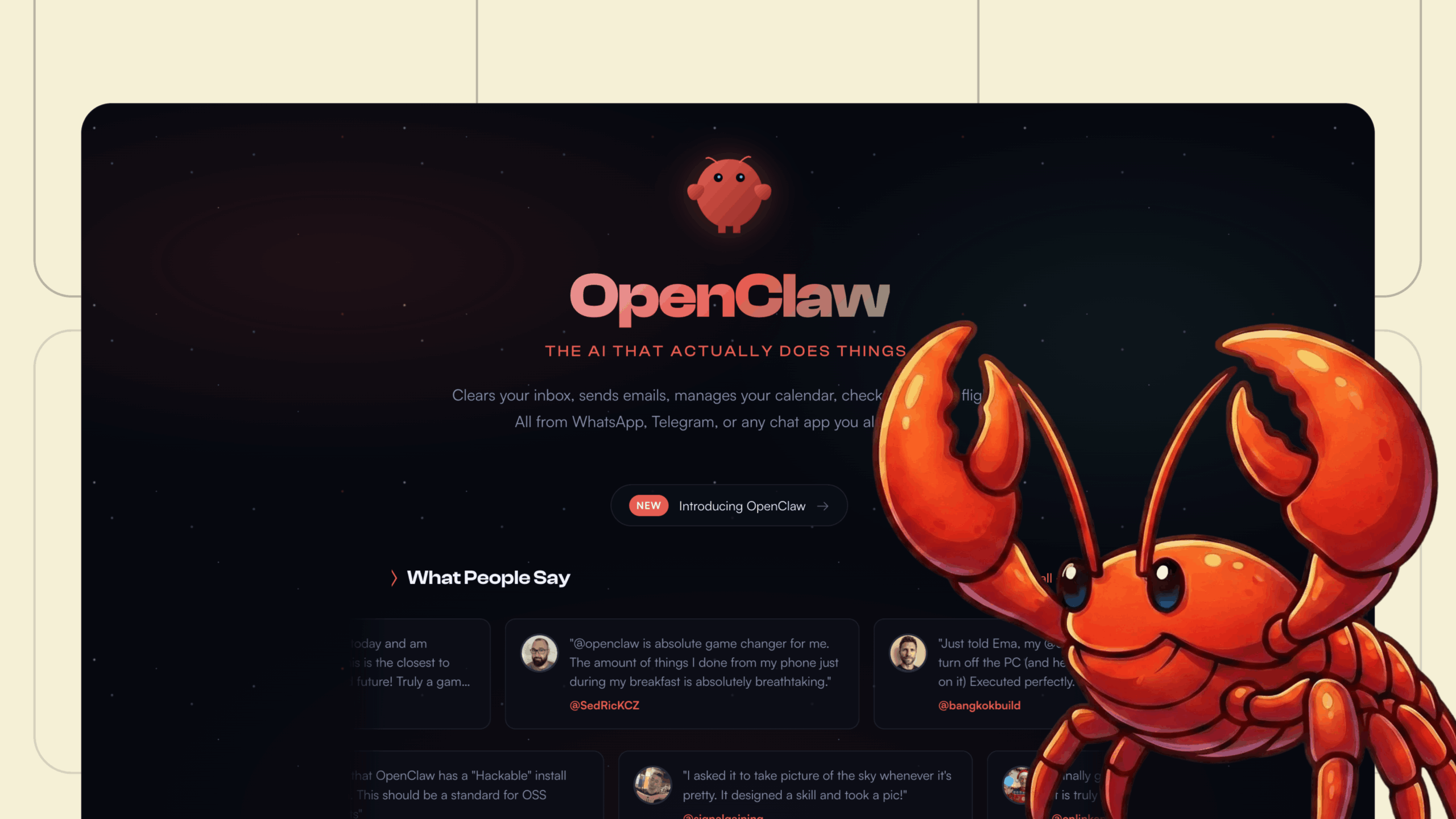
    OpenClaw ban wave hits users linking AI accounts

    By ayaksızŞubat 24, 2026Yorum yapılmamış2 Mins Read
    Facebook Twitter Pinterest LinkedIn Tumblr Email
    Share
    Facebook Twitter LinkedIn Pinterest Email

    Users who connected their flat-rate Claude or Gemini subscriptions to the viral AI agent OpenClaw via OAuth are now facing account bans from both Anthropic and Google.

    Reports have surfaced of users losing access to their paid AI plans—often without warning—after authenticating OpenClaw using their Claude or Google OAuth credentials. While core Google services like Gmail and Drive generally remain unaffected, access to premium AI subscriptions has been revoked in many cases, with little clarity on refunds or reinstatement.

    The controversy centers on how OpenClaw users authenticated their accounts. OAuth—commonly used for “Sign in with Google” style logins—was leveraged to connect flat-rate Claude and Gemini plans directly to OpenClaw. While technically possible, this approach appears to violate provider terms of service, which typically require third-party tools to use paid API access rather than unlimited flat-rate subscriptions.

    API access charges by token usage, meaning users pay based on how much data the AI processes. In contrast, flat-rate plans offer broad access for a fixed monthly fee. OpenClaw’s advanced “agentic” behavior can consume massive amounts of tokens—sometimes millions in a single afternoon—making flat-rate OAuth access economically unsustainable for providers.

    A Google DeepMind engineer acknowledged a “massive increase in malicious usage” tied to OpenClaw-style access patterns, claiming service quality had degraded for other users. Google says some affected users may receive a path to reinstatement if they were unaware of policy violations, but capacity is limited.

    Anthropic has also reportedly taken action against similar usage patterns. Meanwhile, OpenAI has not issued comparable bans, possibly due to its closer relationship with OpenClaw’s creator. OpenClaw remains open-source, though its explosive popularity appears to have accelerated enforcement efforts.

    The underlying issue is less about OAuth itself and more about bypassing API-based billing models. AI providers are willing to support heavy OpenClaw usage—so long as it’s paid for through token-metered APIs rather than flat-rate subscriptions.

    For users, the message is clear: using OAuth credentials to power third-party AI tools may be technically feasible, but enforcement is tightening fast. For now, if you want to run OpenClaw at full throttle, expect to do so on a pay-per-token basis.

    Post Views: 120
    Share. Facebook Twitter Pinterest LinkedIn Tumblr Email
    ayaksız
    • Website

    Related Posts

    Microsoft faces fresh security chaos after May Patch Tuesday

    Mayıs 24, 2026

    Microsoft is phasing out SMS verification for personal accounts

    Mayıs 19, 2026

    Microsoft patches 120 security flaws in May Windows updates

    Mayıs 14, 2026
    Add A Comment

    Comments are closed.

    Editors Picks
    8.5

    Apple Planning Big Mac Redesign and Half-Sized Old Mac

    Ocak 5, 2021

    Autonomous Driving Startup Attracts Chinese Investor

    Ocak 5, 2021

    Onboard Cameras Allow Disabled Quadcopters to Fly

    Ocak 5, 2021
    Top Reviews
    9.1

    Review: T-Mobile Winning 5G Race Around the World

    By sevketayaksiz
    8.9

    Samsung Galaxy S21 Ultra Review: the New King of Android Phones

    By sevketayaksiz
    8.9

    Xiaomi Mi 10: New Variant with Snapdragon 870 Review

    By sevketayaksiz
    Advertisement
    Demo
    Şevket Ayaksız
    Facebook X (Twitter) Instagram YouTube
    • Home
    • Adobe
    • microsoft
    • java
    • Oracle
    • Contact
    © 2026 Theme Designed by Şevket Ayaksız.

    Type above and press Enter to search. Press Esc to cancel.