

Close Menu
Şevket Ayaksız

    Subscribe to Updates

    Get the latest creative news from FooBar about art, design and business.

    What's Hot

    Google Maps vs Waze: I Put the Two Best Navigation Apps Head-to-Head — and One Clearly Came Out on Top

    Mayıs 1, 2026

    Samsung Electronics Offers Free 32-Inch Odyssey gaming monitor: Eligibility and How to Claim Deal

    Mayıs 1, 2026

    T-Mobile Bundles Free Hulu and Netflix for 5G Users: Eligibility Explained

    Mayıs 1, 2026
    Facebook X (Twitter) Instagram
    • software
    • Gadgets
    Facebook X (Twitter) Instagram
    Şevket AyaksızŞevket Ayaksız
    Subscribe
    • Home
    • Technology

      Google Maps vs Waze: I Put the Two Best Navigation Apps Head-to-Head — and One Clearly Came Out on Top

      Mayıs 1, 2026

      T-Mobile Bundles Free Hulu and Netflix for 5G Users: Eligibility Explained

      Mayıs 1, 2026

      This Portable Mini PC Is the Unexpected Raspberry Pi Alternative You Might Actually Want

      Mayıs 1, 2026

      Samsung warns RAM shortages could worsen beyond 2027

      Mayıs 1, 2026

      Oxford study finds friendly AI chatbots are less accurate

      Mayıs 1, 2026
    • Adobe
    • Microsoft
    • java
    • Oracle
    Şevket Ayaksız
    Anasayfa » Full-Stack Development with Java, React, and Spring Boot: Part 1
    java

    Full-Stack Development with Java, React, and Spring Boot: Part 1

    By mustafa efeAğustos 8, 2024Yorum yapılmamış3 Mins Read
    Facebook Twitter Pinterest LinkedIn Tumblr Email
    Share
    Facebook Twitter LinkedIn Pinterest Email

    React and Java Come Together Seamlessly in This Three-Part Introduction to Full-Stack Development. Part 1 Gets You Started with a Basic Application Framework That You Can Customize as Needed.

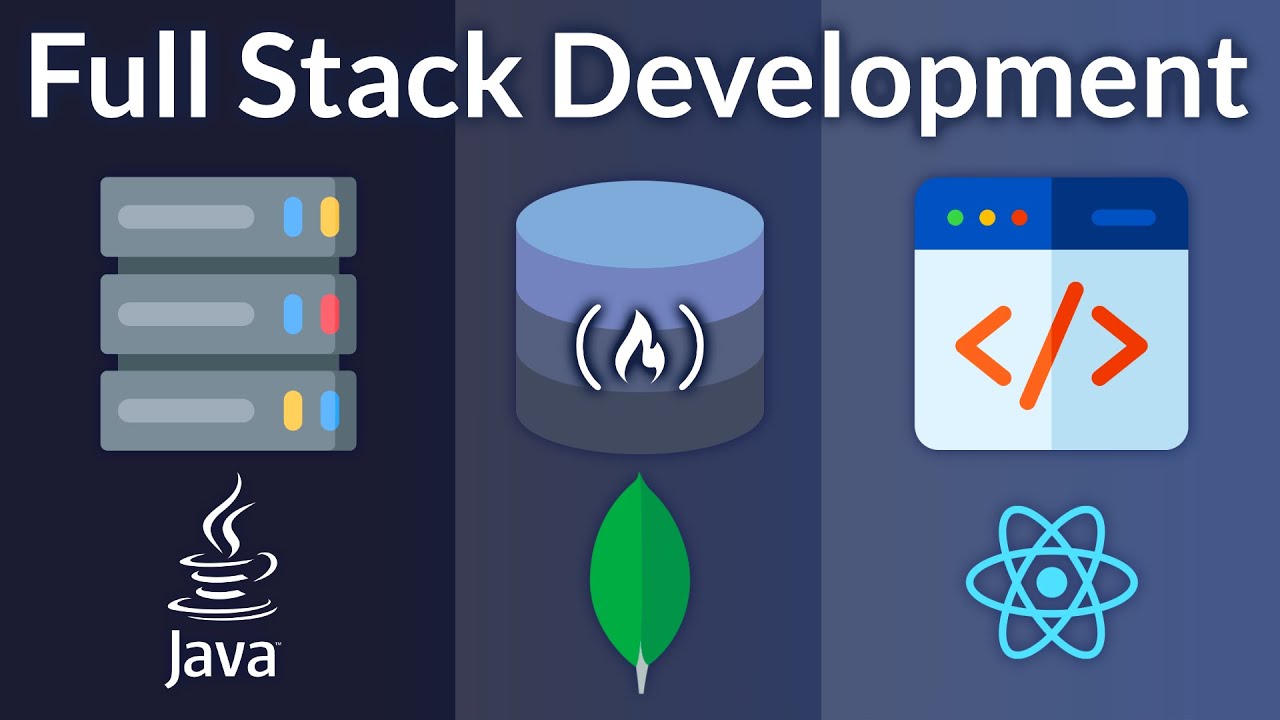
    One of the most popular stacks today combines Spring Java on the back end with a React front end. This combination leverages Java’s robust server-side capabilities with React’s dynamic and interactive user interface. Implementing a full-stack application using Spring Java and React involves making several critical decisions, from project structure to technology choices.

    This article aims to get you started by laying out a foundational project structure for both ends of the stack, and then developing a basic application that supports fundamental CRUD operations. The subsequent articles in this series will build upon this foundation, adding a datastore and preparing the application for deployment into a production environment.

    Getting Started with Spring Java and React

    Java has maintained its popularity as a server-side platform due to its unmatched maturity and extensive history of innovation. Spring, as a framework, extends Java’s capabilities, providing a comprehensive suite of tools for building robust backend systems. On the front end, React stands out for its popularity and well-developed ecosystem, making it a go-to choice for creating interactive user interfaces.



    In this first part of the series, we’ll construct a basic Todo application that showcases the synergy between these technologies. This example will demonstrate how to integrate Spring Boot with React to create a functional, full-stack application. If you have read my recent introduction to HTMX for Java with Spring Boot and Thymeleaf, you might find some familiar concepts, but this series will focus on the React integration and additional functionalities.

    We’ll start by setting up the project structure for both the React front end and the Spring Boot back end. This setup will include creating the necessary configurations and dependencies to support our application. After establishing the basic project structure, we’ll move on to developing the core features of our Todo application, including adding, viewing, updating, and deleting tasks.

    The subsequent parts of this series will dive deeper into enhancing our application. We’ll incorporate a datastore to handle persistent data storage and explore best practices for deploying the application to a production environment. By the end of the series, you’ll have a solid understanding of how to build and deploy a full-stack application using Java and React.

    Stay tuned as we build on this foundation, gradually adding complexity and refining our application to meet real-world needs. This series aims to provide a comprehensive guide to full-stack development with Java, React, and Spring Boot, equipping you with the skills to tackle similar projects in your own development work.

    Post Views: 271
    java Programming Languages Software Development
    Share. Facebook Twitter Pinterest LinkedIn Tumblr Email
    mustafa efe
    • Website

    Related Posts

    Optimizing Java Streams for High-Performance Applications

    Aralık 20, 2025

    AI Brings a New Spark to JavaScript Programming

    Kasım 9, 2025

    Revisiting the Spring Framework: What’s New and Why It Still Matters

    Kasım 9, 2025
    Add A Comment

    Comments are closed.

    Editors Picks
    8.5

    Apple Planning Big Mac Redesign and Half-Sized Old Mac

    Ocak 5, 2021

    Autonomous Driving Startup Attracts Chinese Investor

    Ocak 5, 2021

    Onboard Cameras Allow Disabled Quadcopters to Fly

    Ocak 5, 2021
    Top Reviews
    9.1

    Review: T-Mobile Winning 5G Race Around the World

    By sevketayaksiz
    8.9

    Samsung Galaxy S21 Ultra Review: the New King of Android Phones

    By sevketayaksiz
    8.9

    Xiaomi Mi 10: New Variant with Snapdragon 870 Review

    By sevketayaksiz
    Advertisement
    Demo
    Şevket Ayaksız
    Facebook X (Twitter) Instagram YouTube
    • Home
    • Adobe
    • microsoft
    • java
    • Oracle
    • Contact
    © 2026 Theme Designed by Şevket Ayaksız.

    Type above and press Enter to search. Press Esc to cancel.