


Phison and Intel Aim to Bring Larger AI Models to Mainstream PCs
As local AI becomes increasingly popular, one of the biggest obstacles remains hardware limitations. Large language models require enormous amounts of memory, often forcing users to purchase expensive workstations or rely on cloud services instead.
Now, Phison and Intel are collaborating on a technology designed to reduce those memory requirements and make local AI more practical on everyday laptops and PCs.
New Technology Uses SSD Storage as AI Memory Extension
At the center of the initiative is Phison’s aiDAPTIV platform, which allows AI models to offload part of their workload onto high-performance SSD storage.
According to Phison, a 26-billion-parameter AI model that would normally require 32GB of memory could potentially run on a system with only 16GB of RAM.
The concept works similarly to how modern applications store data. Instead of forcing every piece of information to remain inside memory, aiDAPTIV moves AI-related data between RAM and specialized storage devices when needed.
The result is either:
- Running larger AI models on existing hardware
- Freeing system memory for other applications
- Reducing the need for dedicated AI workstations
AI Models Are Increasingly Memory-Hungry
One of the largest challenges facing local AI deployment is context retention.
As conversations become longer, AI systems continuously store and reference previous prompts, instructions and generated responses. These references, commonly known as key-value (KV) cache data, grow rapidly as model size and context length increase.
Traditionally, this information remains inside system memory or GPU memory, eventually consuming substantial resources and reducing overall performance.
Phison’s solution attempts to intelligently move portions of that data to SSD storage while predicting which information will be needed next, minimizing performance penalties.
Intel Integration Targets AI PCs
The collaboration specifically focuses on Intel’s AI PC ecosystem powered by Intel Core Ultra processors.
The technology will also integrate with Intel’s OpenVINO development toolkit, allowing software vendors to optimize AI applications for the platform.
Intel and Phison hope this approach will make local AI more accessible to businesses and developers who want to run sophisticated models without paying recurring cloud subscription costs.
Specialized Hardware Could Be the Biggest Obstacle
Despite its promise, aiDAPTIV faces a familiar challenge: hardware requirements.
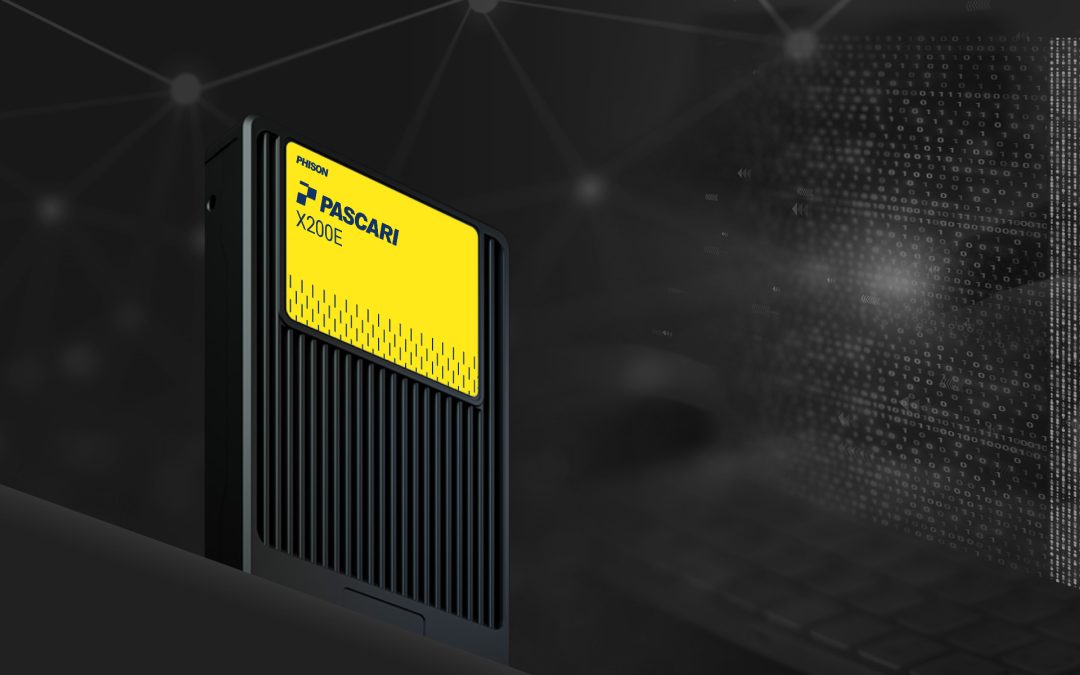
Current demonstrations rely on Phison’s specialized Pascari AI100E SSDs, which are designed for extremely high endurance and sustained performance.
That requirement could significantly increase deployment costs. Enterprise-grade Pascari drives currently cost thousands of dollars, making them impractical for most consumers.
History Shows Adoption May Be Difficult
The technology also faces historical parallels with previous Intel-backed memory initiatives.
Projects such as Intel Optane and Direct Rambus DRAM offered technical advantages but struggled to achieve widespread adoption due to high costs, limited ecosystem support and dependency on specific hardware suppliers.
While aiDAPTIV addresses a genuine problem in local AI computing, its long-term success may depend less on technical performance and more on whether manufacturers and consumers are willing to embrace another specialized hardware ecosystem.
Local AI Continues Pushing Hardware Innovation
As AI models grow larger and cloud providers increasingly impose usage limits, the demand for practical local AI solutions continues to rise.
Phison and Intel’s approach highlights a broader industry trend: finding ways to overcome memory bottlenecks without requiring every user to purchase expensive AI servers or high-end workstation GPUs.
Whether aiDAPTIV becomes a mainstream breakthrough or follows the path of previous niche memory technologies will likely depend on how quickly costs fall and how broadly software developers choose to support it.