


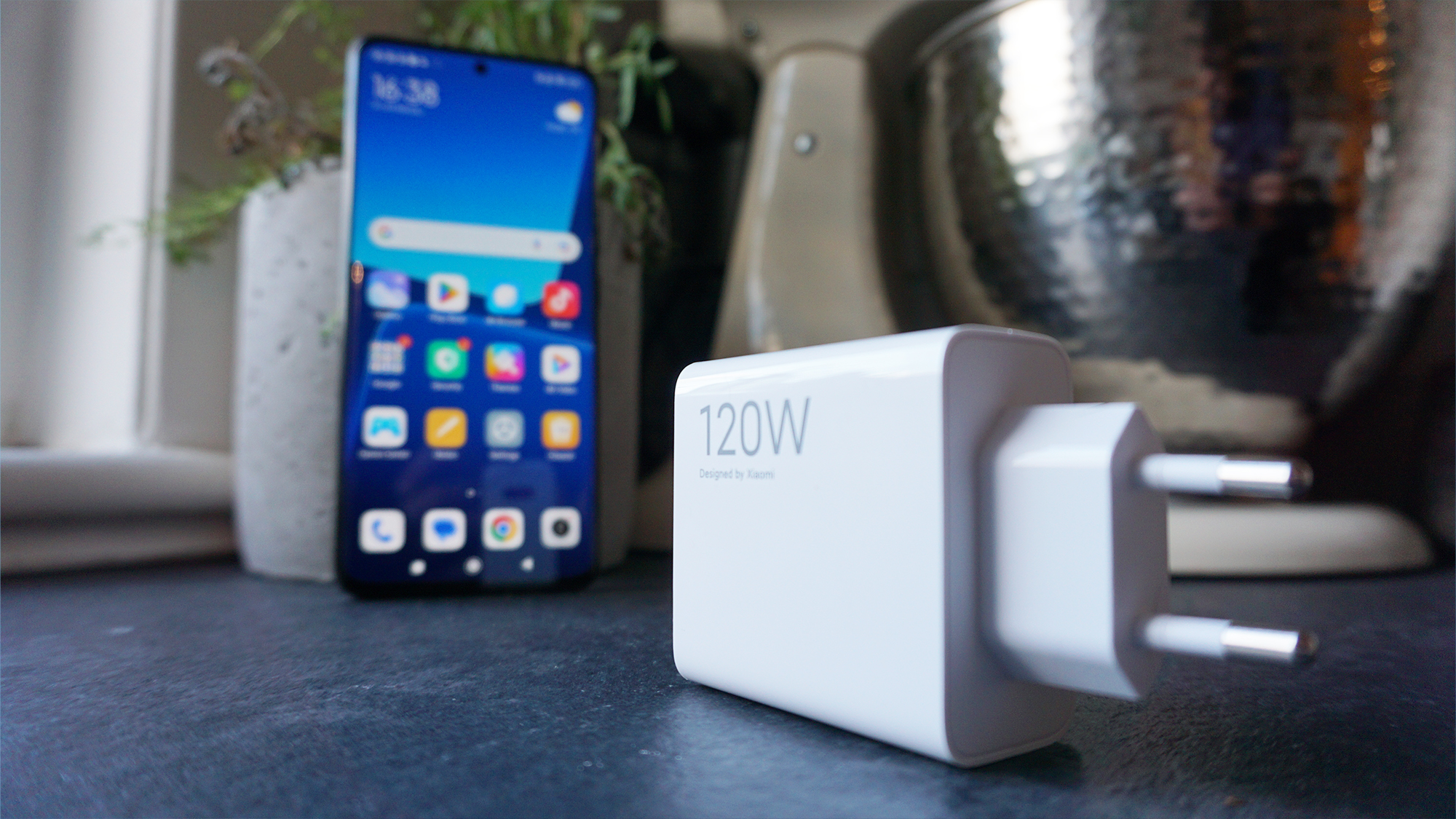
Fast charging has become one of the headline features smartphone manufacturers highlight with every new release. Whether it’s a modest 25W rating or a blazing-fast 100W-plus system, brands increasingly compete on how quickly they can refill a battery. While these figures sound impressive on paper, they don’t always tell the full story of what users can expect in everyday charging sessions.
The relationship between a phone and its charger is more complicated than many people realize. Maximum charging speeds often depend on specific charging standards, cable quality, battery temperature, and software-controlled power management. As a result, a charger that looks powerful on the box may not always deliver the fastest possible charging experience for every device.
This becomes even more important when considering that many modern smartphones no longer include a wall adapter in the box. Buyers are frequently expected to purchase a charger separately, making it harder to know which accessory will actually unlock the phone’s advertised charging capabilities. Choosing the wrong charger can leave significant charging performance on the table.
To see how much these differences matter in practice, I tested several fast chargers with leading smartphones from Apple, Samsung, and OnePlus. The results revealed some expected winners, but they also highlighted a few surprises that challenged common assumptions about charging speeds and real-world performance.