

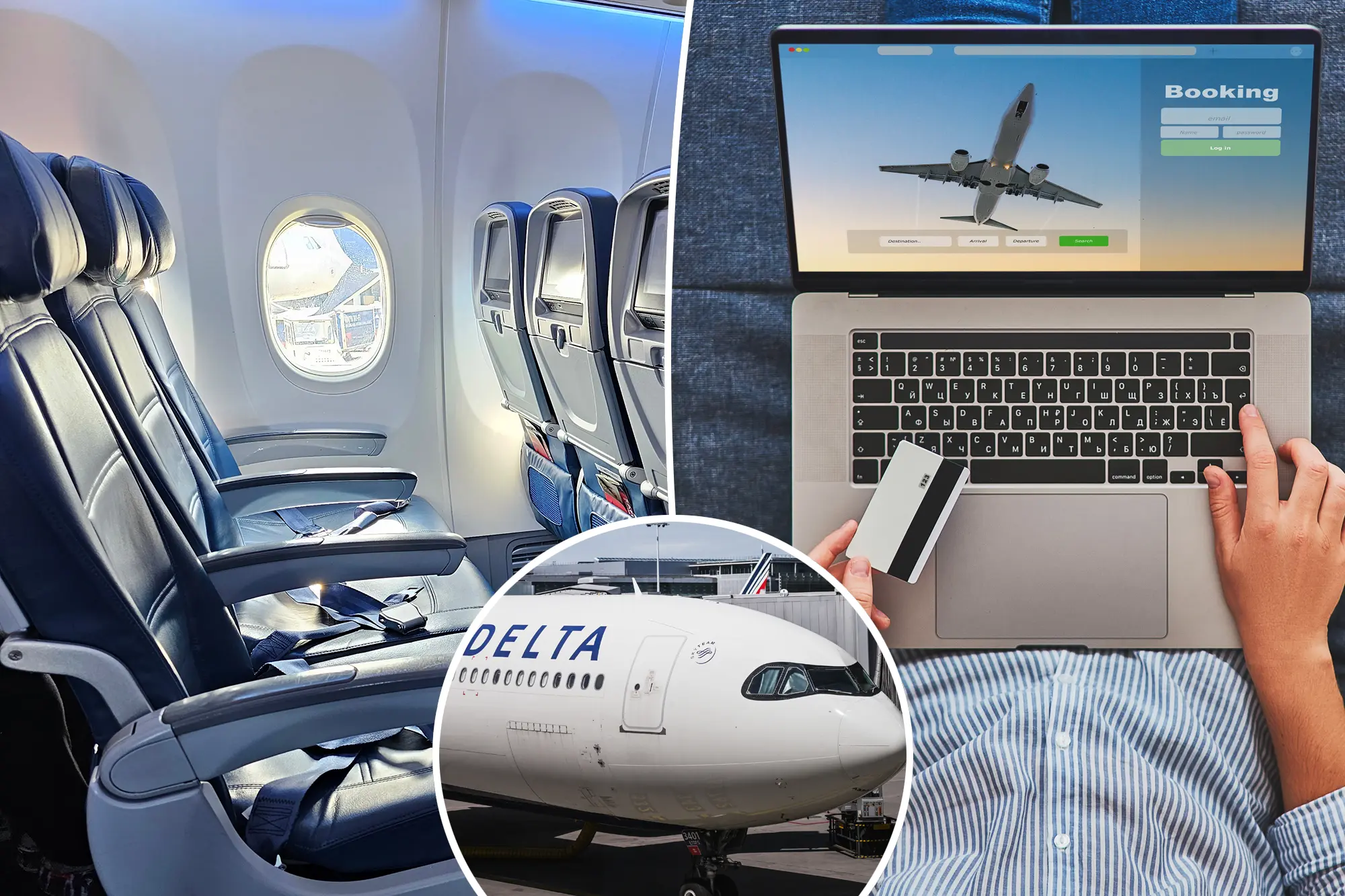
Delta Air Lines is set to dramatically reshape how it prices tickets, replacing fixed fares with AI-driven pricing tailored to each individual passenger. A recent Fortune report reveals that Delta has been experimenting with this technology for the past year, with AI currently setting prices for about 3 percent of its flights. By the end of 2025, the airline intends to expand that to 20 percent, with a long-term vision of having all fares determined by artificial intelligence.
The AI pricing model is designed to estimate the highest amount each customer is likely to pay, taking into account personal behavior, historical data, and possibly even device type or search history. Delta views this as a strategic move to improve profitability by maximizing ticket revenue on a per-passenger basis — but it’s a strategy that is already drawing significant backlash.
Consumer advocates are alarmed by the direction Delta is heading. One California-based organization went as far as to accuse the airline of trying to “hack” customers’ brains, claiming the model turns personal data into a tool for extracting higher fares from unsuspecting travelers. While U.S. law forbids discriminatory pricing based on protected characteristics like race or gender, critics warn that such systems could still result in unfair practices that lack transparency.
The broader question now facing both regulators and the public is whether such hyper-personalized pricing undermines consumer rights or simply reflects the future of commerce. As Delta advances this AI strategy, other airlines may follow — but whether passengers will tolerate such a tailored, profit-maximizing model remains to be seen.