

Understanding JavaScript Variables: Storing Numbers, Strings, Objects, and More for Flexible Data Handling
JavaScript variables are a fundamental aspect of the language, enabling developers to store, manage, and retrieve data throughout their programs. They provide the basis for any functional code by holding information that can be used or modified as needed. The flexibility and power of JavaScript’s variable system make it essential for developers at all skill levels. In this article, we’ll explore the concept of user-defined variables, discuss the various data types that can be stored, and explain how to effectively utilize variables in your programs.
What Is a User-Defined Variable in JavaScript?
User-defined variables in JavaScript are those created by the developer to store specific values within the code. These are distinct from the predefined variables that exist within JavaScript environments, such as browsers or Node.js, which include built-in variables like window and console. User-defined variables, on the other hand, are declared by the developer to hold values like user input, the result of a computation, or objects representing entities within the application.
Data Types in JavaScript Variables
JavaScript allows variables to hold a wide range of data types, thanks to its dynamic typing. This means that a variable can hold any type of data, and the type can change as the program runs. Some of the most common data types include numbers, which are used for mathematical calculations; strings, which represent sequences of characters and are used to store text; Booleans, which represent logical values such as true or false; and objects, which can hold more complex data structures, such as collections of properties and methods.
Creating JavaScript Variables
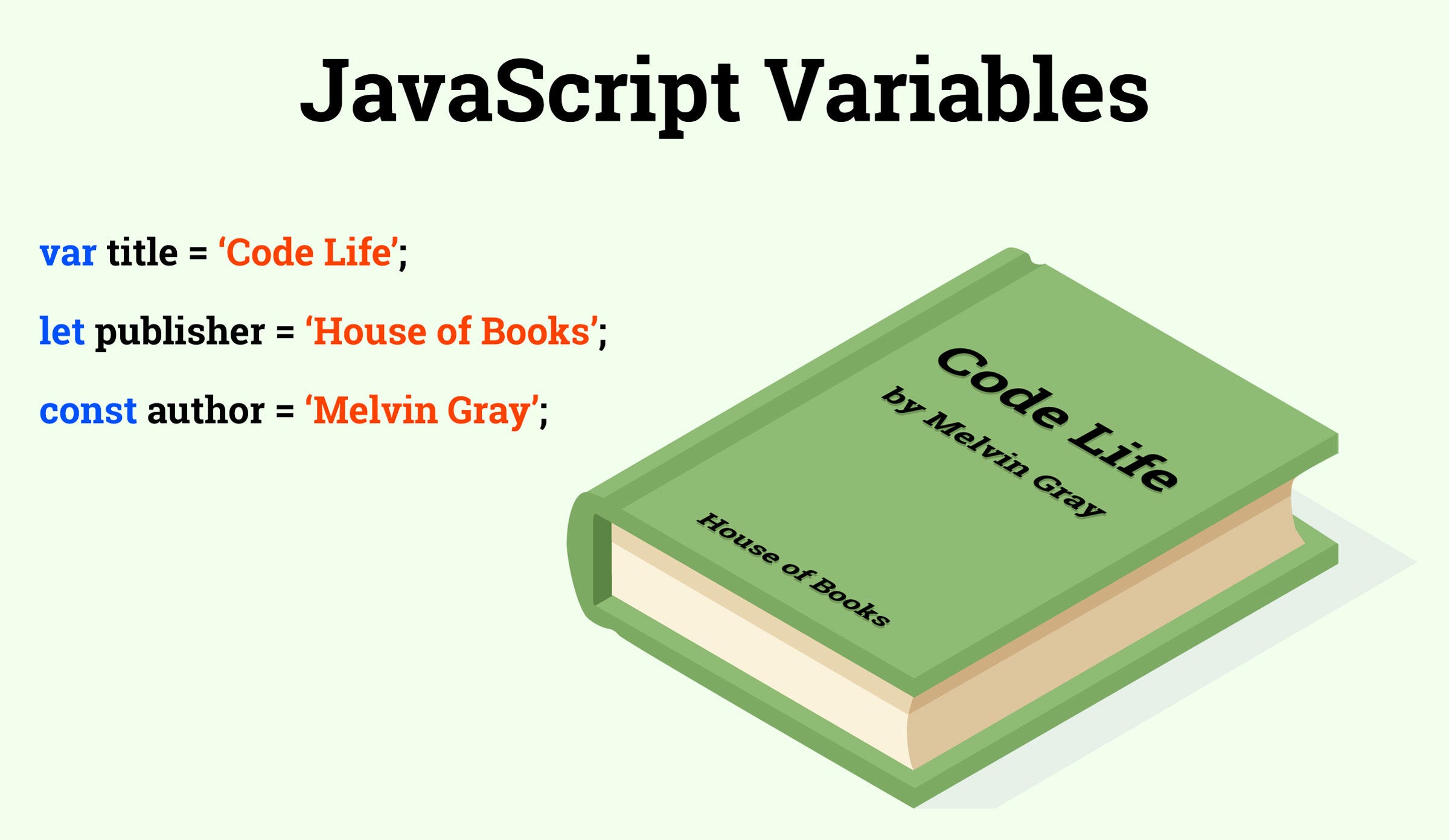
In JavaScript, variables are created using keywords that define their behavior. Modern JavaScript typically uses two keywords: let and const. The let keyword allows the variable to be reassigned a new value at a later point in the program, while const is used for variables whose value should remain constant after it is initially assigned. These keywords allow for more control over how variables behave, helping developers avoid unintended changes to important values.

Dynamic Typing and Flexibility
One of JavaScript’s defining characteristics is its dynamic typing. This feature allows a variable’s type to change based on the value assigned to it. For instance, a variable might initially store a string and later be reassigned to hold a number. This flexibility is one of the language’s strengths, allowing developers to write code that is both adaptable and concise. However, it also means that developers need to be mindful of how they use variables to ensure that the program behaves as expected.
Working with Strings and Numbers
Strings and numbers are among the most commonly used data types in JavaScript. Strings, which are sequences of text, can be manipulated and combined to create more complex pieces of information. Numbers, on the other hand, are used for mathematical calculations and can be adjusted through various functions. Whether dealing with user input, data processing, or program output, understanding how to handle these basic data types is key to writing effective JavaScript code.
Naming Variables and Managing Scope
Naming variables appropriately is an important practice for keeping code readable and maintainable. Variable names should be descriptive and follow standard naming conventions, such as camelCase, to make their purpose clear. In addition, developers need to be aware of variable scope, which refers to the part of the program where the variable is accessible. Modern JavaScript provides block-scoped variables, meaning they are only available within the block where they are defined, which helps reduce potential errors and conflicts in the code.
By mastering the creation and use of JavaScript variables, developers can build dynamic and efficient programs. Understanding how to effectively store, manipulate, and retrieve data using variables is a foundational skill that opens the door to more advanced programming techniques. Whether working with simple data types like strings and numbers or more complex objects, variables provide the necessary structure for handling information within JavaScript.