


Intel Unison Is on Its Way Out—Except for a Few Lenovo Laptops
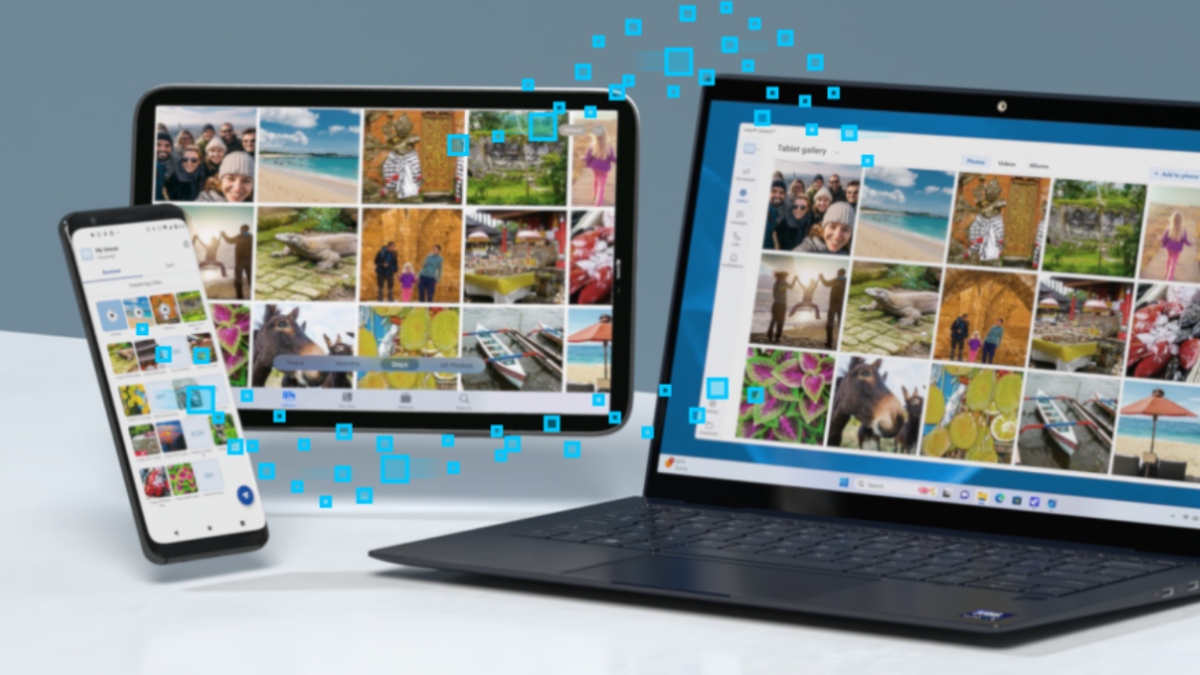
Intel’s bid to unify phones and PCs under its own umbrella is coming to a close. The company has confirmed that Intel Unison, its software platform for cross-device communication, will soon be discontinued. A support article now marks the app as end-of-life, and Dell has gone further, warning that Unison will “no longer function correctly or be available for download after June 30, 2025.”
Unison originally launched with big ambitions: create a seamless ecosystem where your Intel-powered laptop and smartphone could communicate, sync messages and calls, and share files—regardless of device brand. It even supported Apple’s iPhones, something Microsoft’s Phone Link was slow to adopt. Intel hoped Unison would become a universal platform, one that manufacturers could implement broadly without being tied to specific devices.
But that vision never truly materialized. Device makers have largely shifted their focus, and Microsoft’s own solution, Phone Link, has grown stronger, now working across a wide range of Windows PCs. It handles Android and iOS integration more smoothly than before and is even being woven directly into Windows 11’s Start menu, giving it a native edge over third-party solutions like Unison.
Intel’s cost-cutting strategy also likely played a major role. Amid broader industry headwinds, layoffs, and internal manufacturing restructuring—particularly its decision to keep 18A process nodes in-house—supporting a software initiative like Unison likely became a lower priority.
Still, not all Unison support is ending. Intel says that select Lenovo “Aura Edition” PCs will continue to support the app throughout the rest of 2025. These models include:
-
Yoga Slim 7 (14ILL10, 15ILL9)
-
Yoga Pro 7 (14IAH10), Yoga Pro 9 (16IAH10)
-
Yoga 9 2-in-1 (14ILL10)
-
Slim 7 (14ILL10)
-
ThinkPad X1 2-in-1 Gen 10
-
ThinkPad X1 Carbon Gen 13
-
ThinkPad X9 (14 Gen 1 and 15 Gen 1)
While these Lenovo users get a temporary reprieve, the writing is on the wall: Unison is being phased out, and Microsoft’s ecosystem is taking over. For Intel, one of its key Evo platform selling points is now gone, leaving just the hardware side to carry the branding forward.