

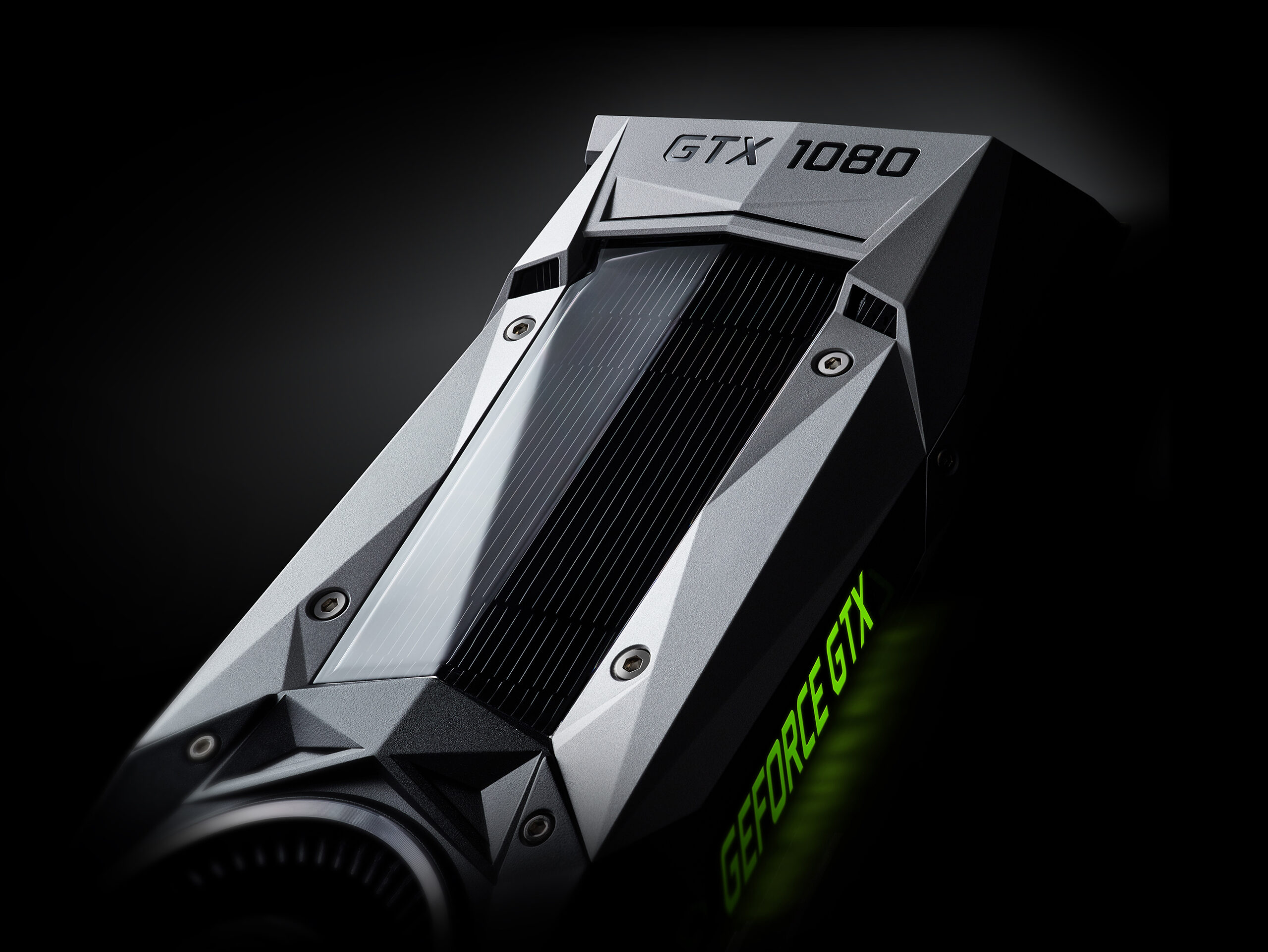

Nvidia is closing the book on a historic generation of GPUs, as it confirms that October’s Game Ready driver update will be the final one for all graphics cards built on the Maxwell, Pascal, and Volta architectures. This decision effectively ends active driver development for iconic models like the GeForce GTX 1080 Ti, once hailed as one of the best GPUs ever produced, as well as dozens of other cards that powered gaming PCs for much of the last decade. These GPUs will continue to receive quarterly security updates, but will no longer benefit from performance tuning or compatibility improvements for new game releases—a crucial element for gamers trying to squeeze a few more years out of their hardware.
The scope of this change stretches from Nvidia’s budget-friendly Maxwell-based GTX 745 and 750 Ti cards from 2014, through the Pascal-driven GTX 900 and 10 series, and up to the Volta-based Titan V from 2018. This broad cutoff includes both mainstream favorites and rare enthusiast models, reflecting a generational shift in Nvidia’s driver support. The timing aligns with the broader tech world’s calendar too—October also marks the end of Windows 10 updates for consumers, reinforcing the sense that a turning point has arrived for older PC platforms. Nvidia’s decision to prioritize newer architectures is not unexpected, but it’s a stark reminder that no matter how beloved, all hardware eventually reaches its sunset.
Even as Nvidia turns the page, many of these older GPUs continue to serve gamers well. The GTX 1060, for example, remains a top-20 graphics card on Steam’s June 2025 hardware charts, clinging to 12th place despite its age. The GTX 1050 Ti still holds on in many budget builds, although usage of premium cards like the GTX 1070 has fallen sharply—only 0.85% of Steam users still rely on one. This usage pattern highlights a shift: players with more demanding performance needs have moved on to RTX and newer, while cost-conscious users continue to get value from aging Pascal hardware. But the lack of new Game Ready drivers means even these users may start to feel the pressure to upgrade as game performance and feature compatibility inevitably degrade.
It’s worth clarifying that this change doesn’t affect all GTX-branded GPUs. Nvidia’s Turing-based GTX 16 series, which includes the 1630, 1650, 1650 Super, 1660, and 1660 Ti, will still receive full driver support. These newer GTX models may lack RTX cores for ray tracing and AI acceleration, but they’re still relevant for mainstream gaming and system builders on a budget. With Maxwell, Pascal, and Volta officially moving into legacy support mode, Nvidia is clearly preparing for a future centered on modern GPU architectures and accelerated AI workloads. For many longtime PC gamers, it’s a bittersweet milestone—the end of driver support for a golden era in graphics technology.