

Close Menu
Şevket Ayaksız

    Subscribe to Updates

    Get the latest creative news from FooBar about art, design and business.

    What's Hot

    Google Maps vs Waze: I Put the Two Best Navigation Apps Head-to-Head — and One Clearly Came Out on Top

    Mayıs 1, 2026

    Samsung Electronics Offers Free 32-Inch Odyssey gaming monitor: Eligibility and How to Claim Deal

    Mayıs 1, 2026

    T-Mobile Bundles Free Hulu and Netflix for 5G Users: Eligibility Explained

    Mayıs 1, 2026
    Facebook X (Twitter) Instagram
    • software
    • Gadgets
    Facebook X (Twitter) Instagram
    Şevket AyaksızŞevket Ayaksız
    Subscribe
    • Home
    • Technology

      Google Maps vs Waze: I Put the Two Best Navigation Apps Head-to-Head — and One Clearly Came Out on Top

      Mayıs 1, 2026

      T-Mobile Bundles Free Hulu and Netflix for 5G Users: Eligibility Explained

      Mayıs 1, 2026

      This Portable Mini PC Is the Unexpected Raspberry Pi Alternative You Might Actually Want

      Mayıs 1, 2026

      Samsung warns RAM shortages could worsen beyond 2027

      Mayıs 1, 2026

      Oxford study finds friendly AI chatbots are less accurate

      Mayıs 1, 2026
    • Adobe
    • Microsoft
    • java
    • Oracle
    Şevket Ayaksız
    Anasayfa » How to Build It on a Chromebook
    software

    How to Build It on a Chromebook

    By mustafa efeNisan 20, 2025Yorum yapılmamış3 Mins Read
    Facebook Twitter Pinterest LinkedIn Tumblr Email
    Share
    Facebook Twitter LinkedIn Pinterest Email

    For most of my computing life, I was a dedicated Windows user. My journey began with Windows 1.02 on my IBM PS/2 Model 25 in the late 1980s, and I was hooked from the start. I spent countless hours developing applications for Windows 3.1 using Turbo Pascal for Windows. The thrill of working with new technologies and being part of the early days of personal computing was unforgettable. I continued to stick with Windows through various versions, becoming particularly fond of Windows 7. Despite the misstep with Windows 8, I’ve remained a loyal user, and today, Windows 11 is my go-to operating system for work and personal use.

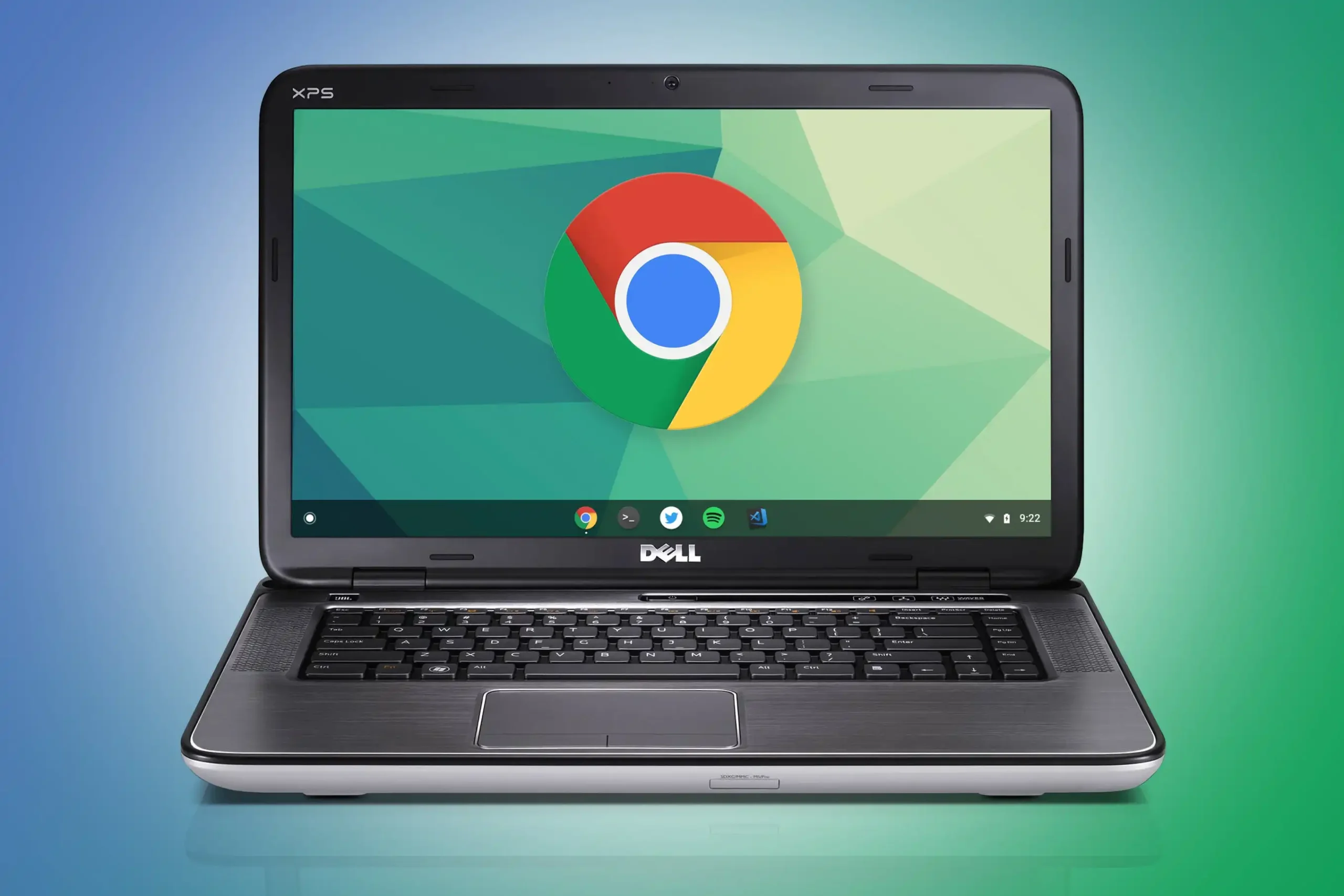
    However, a few years ago, I started to notice a shift in how I used my computer. I realized that I was spending almost all of my time in the Chrome browser, using it for everything from browsing to managing emails, and very little time in actual Windows applications. The only Windows program I consistently used was Visual Studio Code. This led me to the realization that I no longer needed Windows for most of my computing needs. When I looked into Chromebooks, I discovered that ChromeOS was essentially Linux under the hood, and I could run Visual Studio Code natively on it. To my surprise, everything ran as smoothly as it did on my Windows machine, with all the extensions I relied on.

    Making the switch to ChromeOS wasn’t without its adjustments, but it was a smooth transition overall. I was pleasantly surprised to find that ChromeOS came with many standard utilities that I regularly used, like a calculator and text editor. For more complex tasks, I quickly found browser-based alternatives, such as Chrome Remote Desktop, which allowed me to access my Windows environment remotely. Additionally, I set up the Linux Development Environment on ChromeOS and managed to run Postman alongside Visual Studio Code, which gave me all the tools I needed for my work. With these simple tweaks, I found myself fully functional and productive on my new device.

    What ultimately sold me on ChromeOS was its simplicity and efficiency. As a long-time user of Google Pixel phones, I was already ingrained in the Google ecosystem, making the switch to ChromeOS a natural progression. With Chrome becoming the center of my digital universe, there was little I couldn’t do within the browser. I don’t rely much on Microsoft Office, so Google’s suite of office tools fit my needs perfectly. Plus, even browser-based gaming is improving. The best part is how quickly a Chromebook boots up and updates itself in the background. No more annoying, time-consuming updates or worrying about viruses—it’s a streamlined, no-hassle experience. Switching to ChromeOS has allowed me to simplify my computing life, and I couldn’t be happier with the result.

    Post Views: 197
    java Programming Languages Software Development
    Share. Facebook Twitter Pinterest LinkedIn Tumblr Email
    mustafa efe
    • Website

    Related Posts

    Anthropic’s Claude Security Tool Analyzes Codebases to Detect Vulnerabilities and Prioritize Fixes

    Mayıs 1, 2026

    Microsoft’s Windows Insider Program Finally Becomes More Streamlined and User-Friendly

    Nisan 11, 2026

    Microsoft launches tool to gather user feedback on Windows issues

    Nisan 8, 2026
    Add A Comment

    Comments are closed.

    Editors Picks
    8.5

    Apple Planning Big Mac Redesign and Half-Sized Old Mac

    Ocak 5, 2021

    Autonomous Driving Startup Attracts Chinese Investor

    Ocak 5, 2021

    Onboard Cameras Allow Disabled Quadcopters to Fly

    Ocak 5, 2021
    Top Reviews
    9.1

    Review: T-Mobile Winning 5G Race Around the World

    By sevketayaksiz
    8.9

    Samsung Galaxy S21 Ultra Review: the New King of Android Phones

    By sevketayaksiz
    8.9

    Xiaomi Mi 10: New Variant with Snapdragon 870 Review

    By sevketayaksiz
    Advertisement
    Demo
    Şevket Ayaksız
    Facebook X (Twitter) Instagram YouTube
    • Home
    • Adobe
    • microsoft
    • java
    • Oracle
    • Contact
    © 2026 Theme Designed by Şevket Ayaksız.

    Type above and press Enter to search. Press Esc to cancel.