

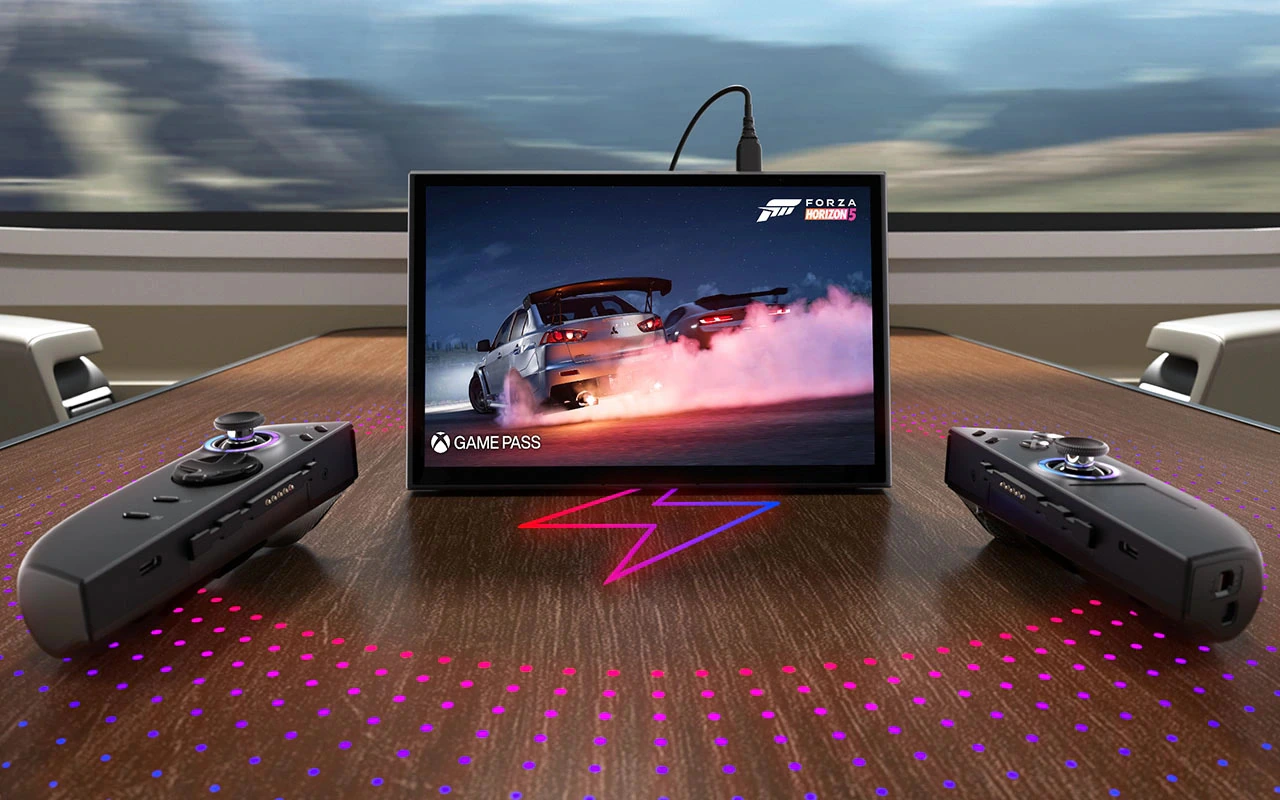

The hype surrounding the Lenovo Legion Go 2 handheld PC is turning into a headache for both Lenovo and its customers, as the company confirmed that higher-than-expected demand has pushed deliveries far beyond the original October schedule. In an official update shared on Reddit, the Legion Go team said that “unforeseen delivery range extensions” have forced them to push back shipments for many customers and even cancel some pre-orders entirely on Lenovo.com. The move has left would-be buyers—many of whom paid premium prices—frustrated by a lack of clear communication and shifting delivery windows.
Reports first surfaced when buyers noticed their orders slipping from a promised one-to-two week window to over six weeks. The sting is particularly sharp given the Legion Go 2’s hefty price tag: $1,100 for the entry-level configuration and as much as $1,350 for the upgraded Ryzen Z22 Extreme edition. For that investment, customers expect not only cutting-edge features like the vibrant OLED screen and modular controllers but also a seamless purchase experience. Instead, many are left questioning whether demand truly exploded or if Lenovo is simply covering for supply chain bottlenecks or mismanagement behind the scenes.
From a marketing standpoint, saying demand exceeded forecasts sounds far better than admitting to production hiccups. But regardless of the cause, Lenovo risks losing goodwill at a critical moment. Handheld gaming PCs are gaining traction thanks to the Steam Deck and other entrants, and the Legion Go 2’s high price puts it in a different league—making reliability in launch execution even more crucial.
Despite the turbulence, the official release date remains October 31st for the Legion Go 2, with Best Buy still taking pre-orders for the base model. Meanwhile, Asus is preparing to launch its ROG Xbox Ally on October 16th, a co-branded update to its popular handheld that could hit the market without the same pre-order drama. If Asus manages a smoother rollout, Lenovo may find its narrative of “overwhelming demand” harder to sustain.