

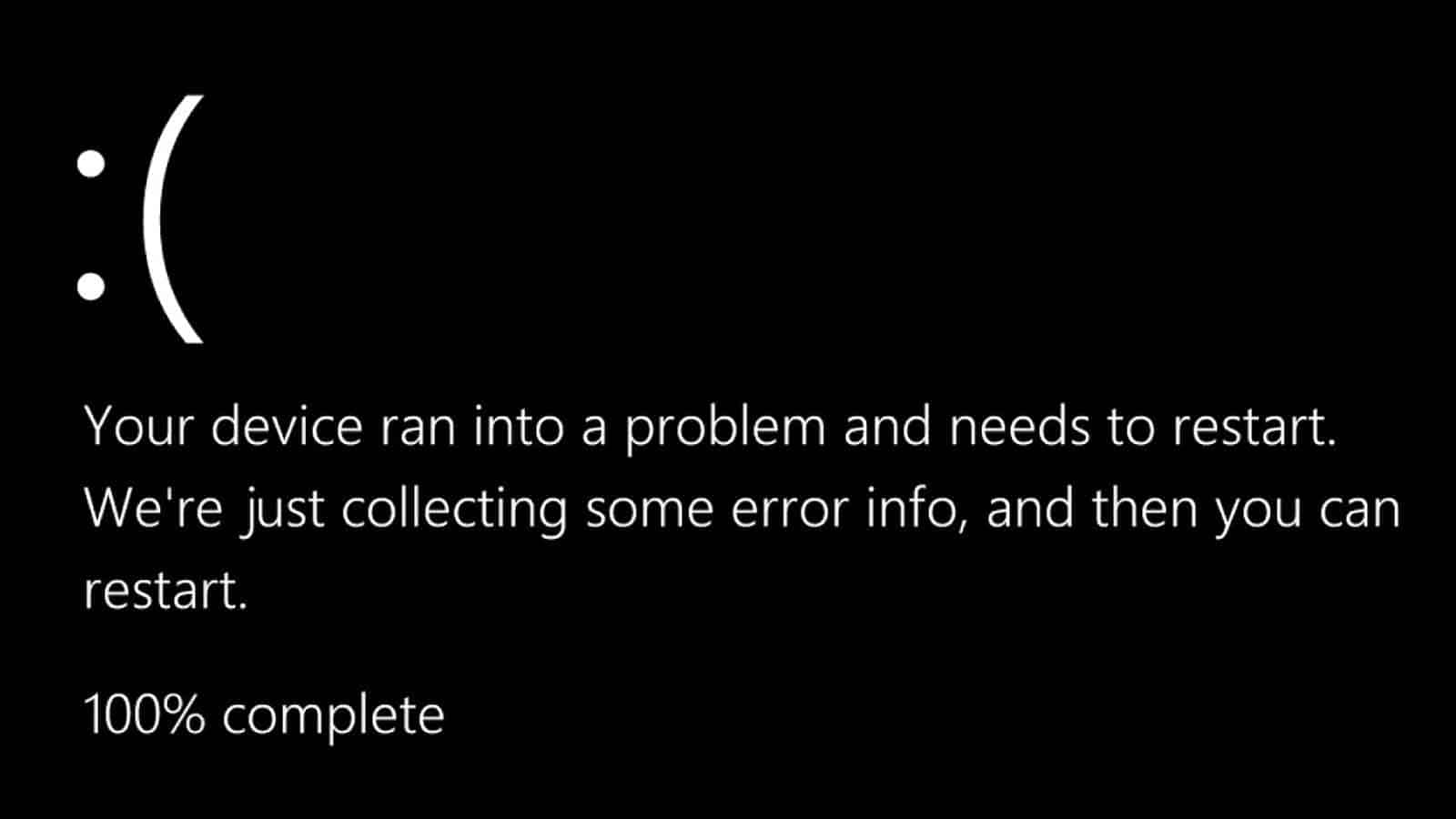
Say goodbye to the iconic Blue Screen of Death—Microsoft has decided that it’s time for a visual refresh. As announced in April 2025, the long-standing BSOD is going black. The change is set to roll out with the upcoming Windows 11 24H2 update in summer 2025. The acronym stays the same, but the appearance and behavior are about to shift in ways that might cause more confusion than clarity.
The new Black Screen of Death will introduce a stripped-down interface designed to make system failures easier to recover from. Microsoft is pairing this with a new Quick Machine Recovery feature meant to repair PCs that are unable to boot normally. While that all sounds helpful, the execution raises some red flags.
For starters, the visual cues users have relied on for years are being erased. The new BSOD eliminates the blue background, the sad face emoticon, the QR code, and even the error explanation. Instead, the black screen flashes a generic message saying a problem occurred and Windows must restart—before disappearing entirely within about two seconds.
That brevity and simplicity come at a cost. The screen now looks almost identical to the one users see during a standard Windows reboot. If you blink or aren’t paying full attention, you could easily mistake a crash for a regular restart—especially if it happens after a system update. In contrast, the previous BSOD’s striking visuals made it clear that something had gone wrong and often offered a starting point for diagnosing the issue.
While Microsoft’s goal may be to create a more modern and less alarming experience, this new direction could undermine transparency and make it harder for users to recognize serious system failures. It might even result in problems being ignored or repeated because users won’t realize what’s really happening.
Ultimately, Microsoft may need to revisit the design to balance clarity with aesthetics. Otherwise, the Black Screen of Death could become a quiet, confusing presence—one that leaves users in the dark in more ways than one.