

If there’s one thing PC builders can agree on right now, it’s that RAM prices have gotten out of hand. The situation has become so extreme that some users are resorting to truly unconventional — and borderline absurd — methods to save money. One of the most striking examples comes from a modder who literally desoldered memory chips from old laptop RAM and resoldered them onto a blank desktop DDR5 module.
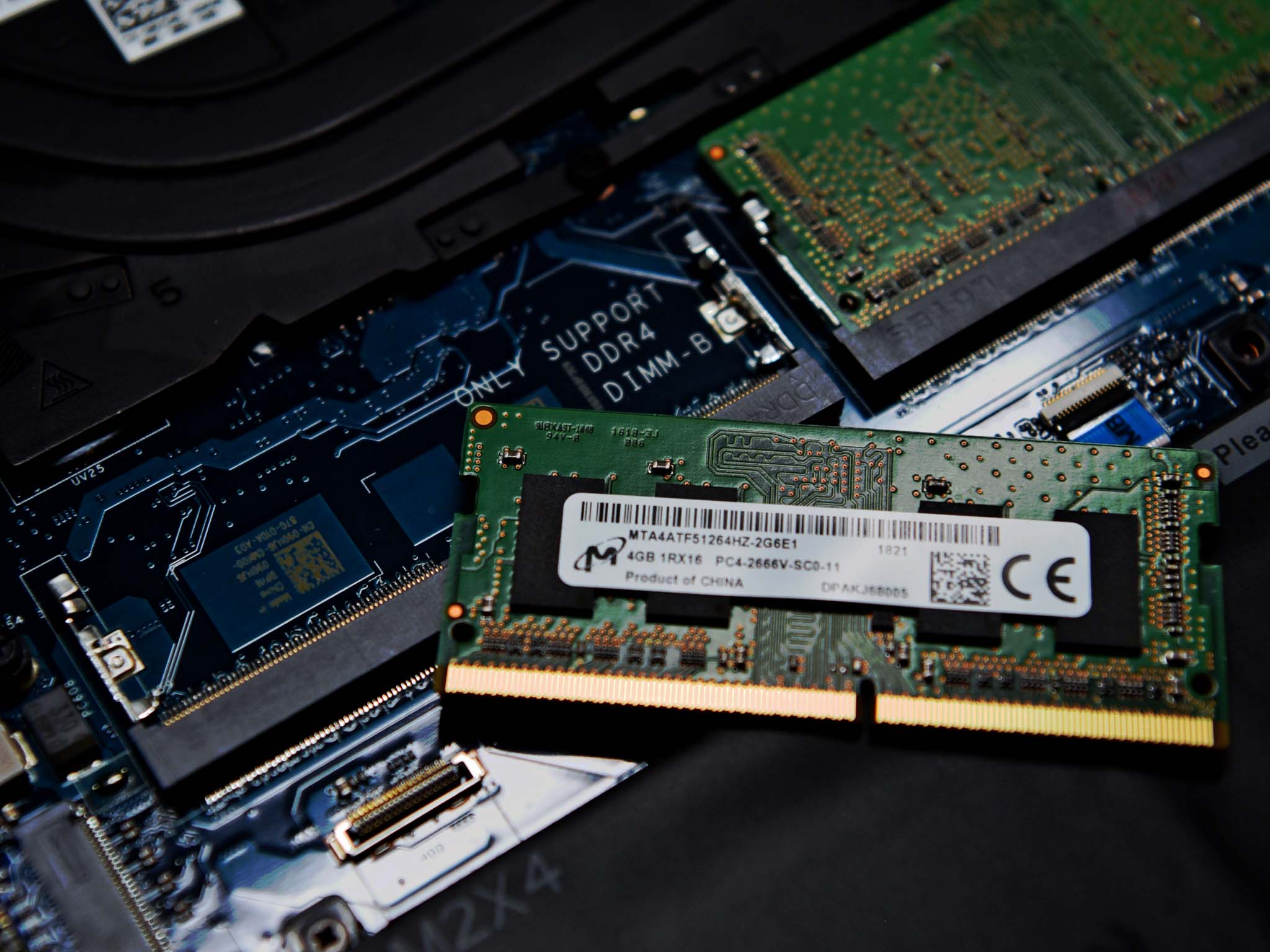
According to VideoCardz, a cost-conscious PC enthusiast in Russia purchased significantly cheaper, older DDR4 SO-DIMMs intended for laptops, carefully removed the individual memory chips by hand, and then soldered them onto a pair of empty DDR5 DIMM circuit boards. The process reportedly involved an enormous amount of manual labor, as working with memory chips at that scale is painstakingly precise. After flashing custom firmware, the modder successfully created functional DDR5 memory modules from parts that were never meant to be used this way.
The final cost worked out to just over 17,000 rubles per 32GB stick, or roughly $218. That’s about one-third of the going rate for comparable DDR5 memory in Russia, according to the modder. Given that kind of savings, it’s not surprising that the individual behind the project appears ready to repeat the process — assuming a steady supply of suitable chips can be found. The modder, Viktor “Vik-on” Veklich, is no stranger to memory hardware, as he already sells specialized RAM testing tools, including a recent DDR5-focused product.
This extreme mod highlights just how strained the memory market has become. Beyond risky DIY projects, users are also snapping up laptop-to-desktop memory adapters, which are frequently sold out online, despite only supporting slower DDR4 modules. At the same time, there’s renewed interest in brand-new hardware built around older standards, such as AMD AM4 motherboards that support DDR4, simply because the memory is easier — and cheaper — to obtain. When people start soldering their own RAM, it’s a clear sign the market is under serious pressure.