

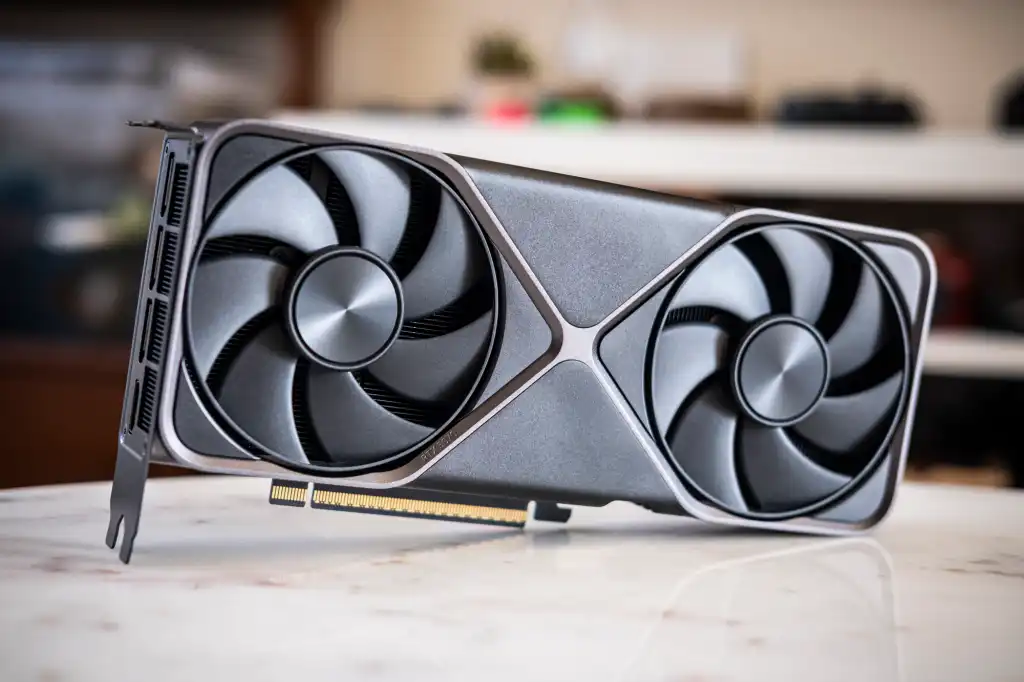

The desktop graphics card market has become a one-sided story, and Nvidia is the only clear winner. According to new data from Jon Peddie Research, Nvidia now controls 94 percent of the add-in board market as of Q2 2025. AMD’s share has dwindled to six percent, while Intel is essentially absent from the competitive landscape. The trajectory is troubling for AMD, which held 12 percent just a year ago, eight percent earlier this year, and has since lost even more ground.
The numbers confirm what many analysts feared: Nvidia’s near-total hold on discrete GPUs is no longer speculative, it’s reality. Despite AMD’s efforts to compete with new Radeon launches aimed at both gamers and professionals, the gap has only widened. Nvidia’s brand strength, unmatched software ecosystem, and the surge in demand for GPUs in AI applications have kept it untouchable. Even the release of cards at lower prices hasn’t shifted momentum. While the gaming community has at least benefitted from slightly better availability of RTX 50-series cards at close to retail pricing, that small win doesn’t change the broader landscape.
Jon Peddie’s report emphasizes that these results are for desktop add-in boards, which means integrated graphics aren’t included. That distinction matters, since AMD continues to post strong performance in laptops and compact PCs where its integrated GPUs remain a strong selling point. AMD is also faring better in CPUs, with Ryzen gaining ground against Intel. In fact, Intel’s market share has fallen from 76 percent in mid-2024 to 67 percent by mid-2025, thanks to the popularity of AMD’s X3D desktop chips and efficient mobile processors.
Still, the discrete graphics story is sobering. AMD does report strong demand for its newest Radeon GPUs, and the overall graphics card market grew 27 percent this quarter, which suggests there’s room for multiple players. But without a dramatic shift—such as bringing wider ROCm GPU compute support to Windows—AMD looks stuck as a secondary choice in a market increasingly defined by Nvidia’s dominance. For gamers, creators, and AI developers alike, that means fewer real alternatives and an ecosystem where one company sets the pace for everyone else.