

Rising Memory Prices Force Minisforum to Increase Mini PC Costs
Minisforum has confirmed that it will be raising prices on select mini PCs, citing sharp increases in the global cost of raw materials—particularly DRAM and NAND flash memory. The company announced the change via X, explaining that “barebone” configurations (models without memory or storage) will remain unaffected for now. However, the statement did not detail how steep the price adjustments will be or how long they will last.
The timing of this announcement comes as warning signs flash across the PC hardware industry. Over the past several months, analysts have observed rising prices for memory and flash storage, as suppliers struggle to balance declining PC shipments with skyrocketing demand from artificial intelligence companies. With AI workloads consuming enormous amounts of DRAM and SSD capacity, manufacturers have begun to shift production priorities, creating scarcity for consumer-grade parts.
According to TrendForce, the spot price for 16Gbit DDR4-3200 DRAM has soared 15.9% in one week, a worrying signal for system builders and component vendors. DDR4 production, already being phased out in favor of DDR5, is seeing reduced output, pushing prices even higher. TrendForce also noted that module houses—companies that package and sell DRAM chips—are holding back inventory, anticipating continued increases and fueling further price inflation.
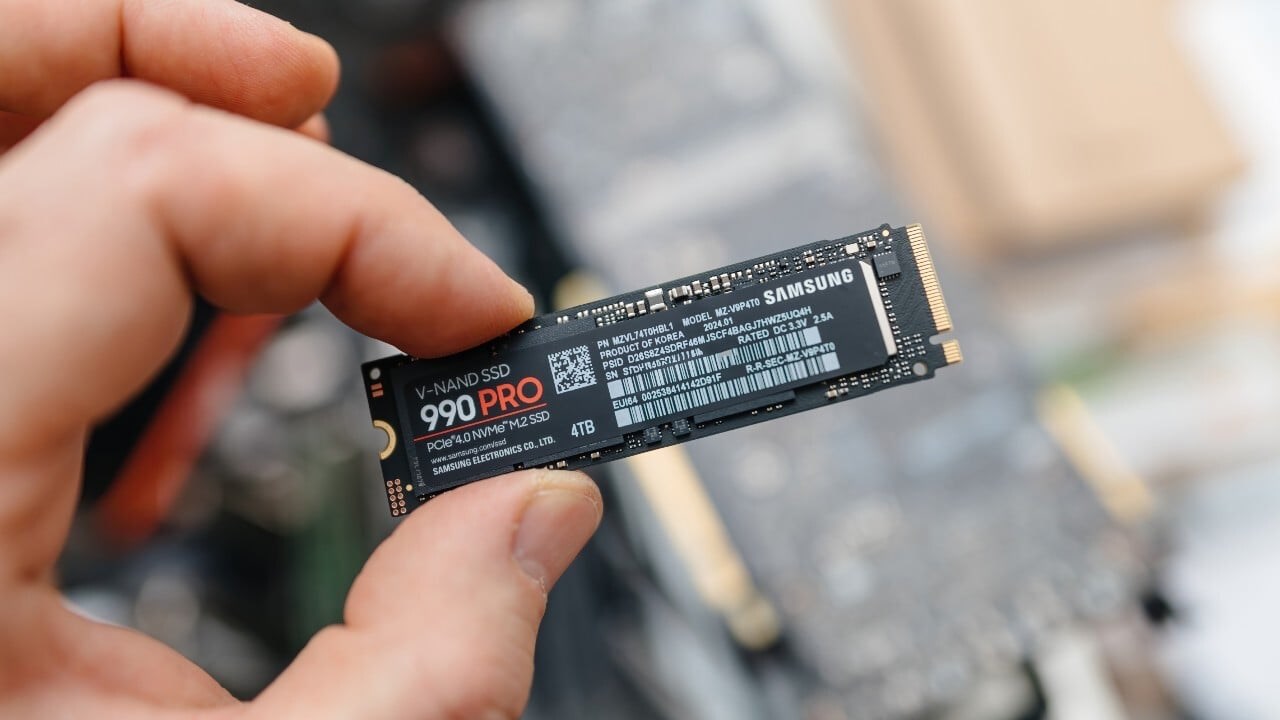
Flash memory isn’t faring much better. The same report highlighted a 27.96% surge in the cost of 512Gb TLC NAND wafers, now priced at $4.576 per unit. As distributors race to secure stock before further increases, shortages are becoming more pronounced. The panic is compounded by seasonal factors, with manufacturers and retailers preparing for the end-of-year shopping rush.
These developments could have a direct impact on consumers. For now, Minisforum stands alone in officially announcing a price adjustment, but if DRAM and flash prices continue their rapid ascent, other mini PC makers—and even major laptop manufacturers—may soon follow.
The implications extend beyond just mini PCs. If the current trajectory continues, holiday shoppers may see fewer discounts and higher baseline prices for PCs, laptops, and storage devices this year. After years of stable pricing, the tech industry could be heading into another cycle of cost inflation, where even small components like DRAM chips and NAND wafers have an outsized impact on the price of finished hardware.