

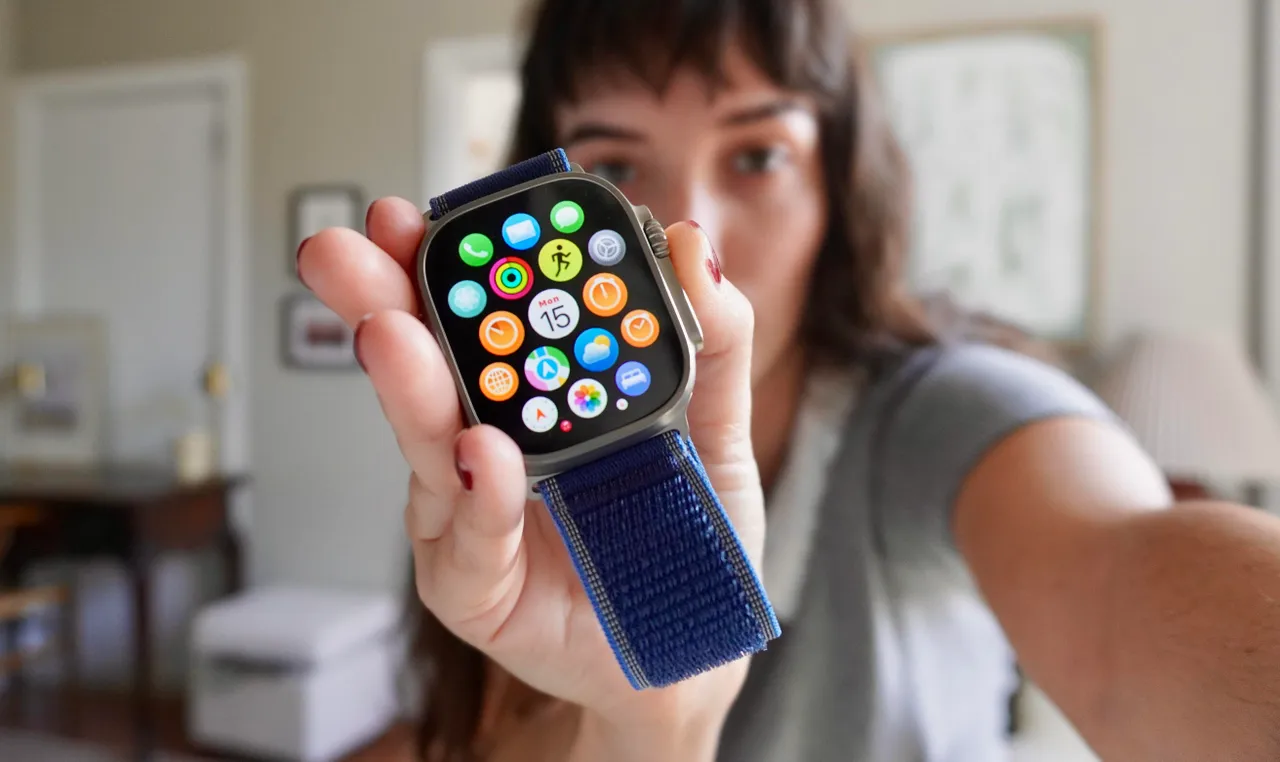
The beginning of January often marks a fresh start for many people, with renewed focus on personal growth and healthier habits. Gym memberships spike, step counts climb, and goals around fitness and nutrition quickly take center stage as the new year begins. However, maintaining that motivation beyond the first few weeks has traditionally been a challenge.
Recent data suggests wearable technology may help change that pattern. An analysis from Apple’s Heart and Movement Study indicates that Apple Watch users are more likely to stay committed to their exercise routines well past “Quitters Day,” the second Friday of January when many resolutions typically fade. The study evaluated activity trends from around 100,000 participants.
Apple notes that while exercise levels usually dip during the holiday months of November and December, activity rebounds sharply in January. More importantly, that increase doesn’t vanish after a few weeks. Instead, averageW daily exercise minutes continue to rise into the spring, showing sustained engagement rather than a short-lived burst of motivation.
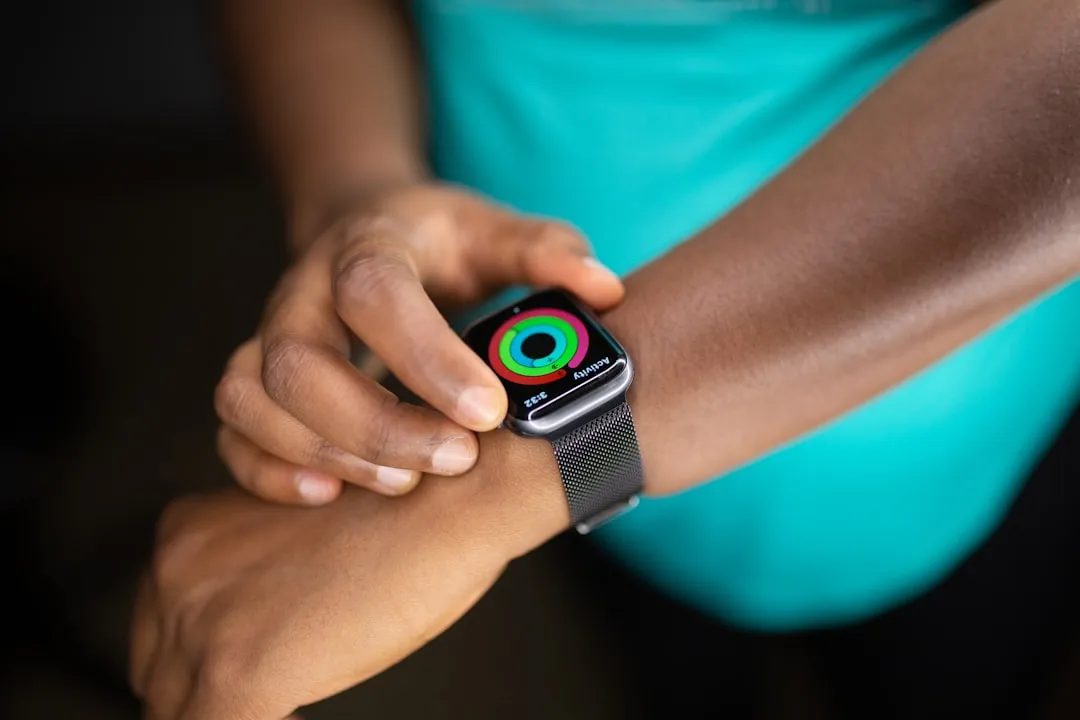
According to the findings, nearly 80% of users who boosted their exercise early in January maintained that level through the rest of the month. An even higher percentage—about 90%—kept up the same activity levels through February and March. Incentives like Apple Watch Activity Rings and limited-edition awards may also play a role in reinforcing these habits.
By leveraging sensors such as heart rate monitors, GPS, and motion trackers, fitness wearables provide users with measurable feedback and small rewards that encourage consistency. As studies like this suggest, that combination of tracking and motivation may be key to turning New Year’s fitness resolutions into long-term routines.