

Close Menu
Şevket Ayaksız

    Subscribe to Updates

    Get the latest creative news from FooBar about art, design and business.

    What's Hot

    Samsung warns RAM shortages will deepen beyond 2027

    Mayıs 3, 2026

    Windows 11 April update breaks third-party backup software

    Mayıs 3, 2026

    Oxford study finds friendly AI chatbots make more mistakes

    Mayıs 3, 2026
    Facebook X (Twitter) Instagram
    • software
    • Gadgets
    Facebook X (Twitter) Instagram
    Şevket AyaksızŞevket Ayaksız
    Subscribe
    • Home
    • Technology

      Google Maps vs Waze: I Put the Two Best Navigation Apps Head-to-Head — and One Clearly Came Out on Top

      Mayıs 1, 2026

      T-Mobile Bundles Free Hulu and Netflix for 5G Users: Eligibility Explained

      Mayıs 1, 2026

      This Portable Mini PC Is the Unexpected Raspberry Pi Alternative You Might Actually Want

      Mayıs 1, 2026

      Samsung warns RAM shortages could worsen beyond 2027

      Mayıs 1, 2026

      Oxford study finds friendly AI chatbots are less accurate

      Mayıs 1, 2026
    • Adobe
    • Microsoft
    • java
    • Oracle
    Şevket Ayaksız
    Anasayfa » Textual Apps Built with Python Are Making Their Way to the Web
    software

    Textual Apps Built with Python Are Making Their Way to the Web

    By mustafa efeEylül 28, 2024Yorum yapılmamış3 Mins Read
    Facebook Twitter Pinterest LinkedIn Tumblr Email
    Share
    Facebook Twitter LinkedIn Pinterest Email

    Textual Cloud to Bring Python Terminal Apps to Web Browsers with Ease

    Textual, a Python-based framework for building terminal applications, is set to extend its capabilities to support web-based applications, providing developers with an efficient way to deploy terminal apps in web browsers. This evolution marks a significant milestone for the framework, which has rapidly gained popularity for its simplicity and versatility in creating sophisticated user interfaces.

    Launched in 2021, Textual allows developers to design and build interactive terminal applications using just Python. According to its GitHub repository, Textual’s API is designed for ease of use, making it accessible for developers of varying skill levels. Textual is part of the broader Rich Python ecosystem, which focuses on enhancing terminal output with rich text and visual formatting. While initially designed for terminal environments, Textual’s upcoming browser support aims to bridge the gap between traditional terminal apps and modern web experiences.

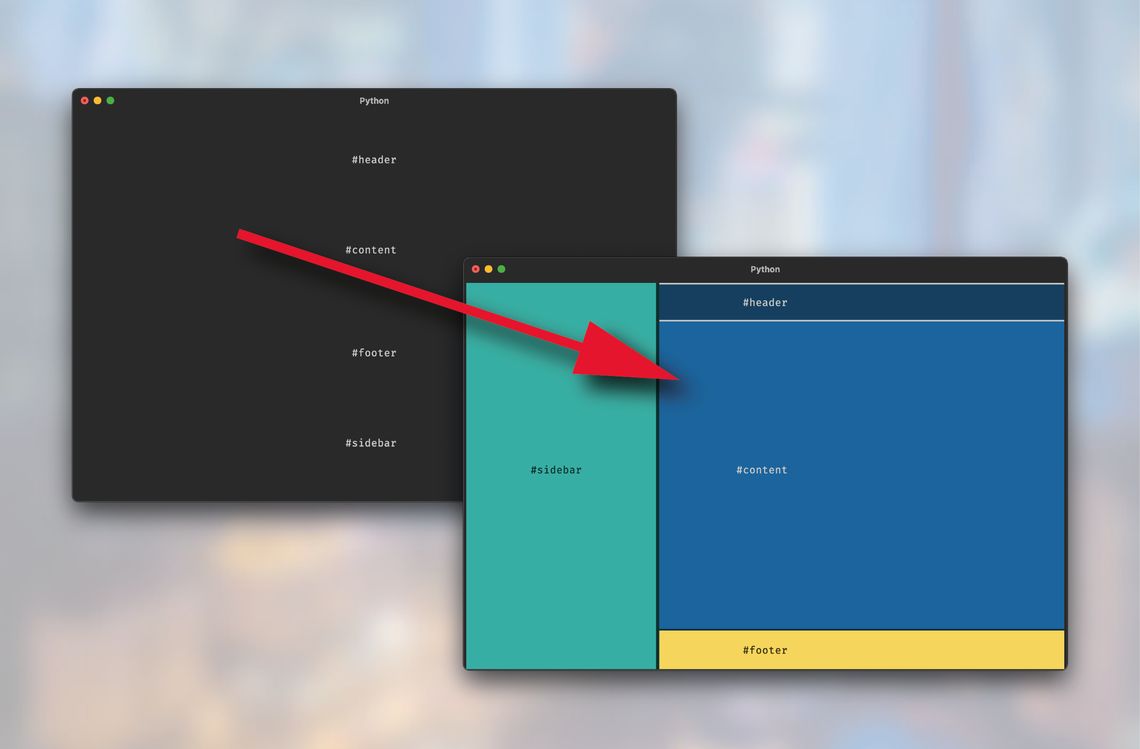
    Textual requires Python 3.7 or later and runs on major operating systems, including Linux, macOS, and Windows. It uses the Rich library to provide a vast array of features like 16.7 million colors, mouse support, and smooth, flicker-free animations, all of which enhance the user interface of terminal-based applications. With the addition of a layout engine and reusable components, Textual allows developers to build applications that look and feel as polished as desktop or web apps, all from within the terminal.



    One of Textual’s most appealing aspects is its emphasis on using Python exclusively. Developers don’t need to learn additional technologies or frameworks beyond Python to build advanced, interactive terminal applications. Many of the design principles used in Textual, such as reactivity and component-based architecture, are borrowed from web development practices, further simplifying the development process and enabling rapid prototyping.

    Textual’s upcoming Cloud Service is the key to bringing these terminal applications to the web. By connecting applications to this cloud service via agent software, developers will be able to deploy terminal applications to web browsers seamlessly. The service will maintain outgoing TCP/IP connections, ensuring smooth interaction between the app and the web environment. This move opens up a wealth of possibilities for developers who wish to build robust, browser-accessible apps without leaving the Python ecosystem.

    Textual is licensed under the MIT License, making it a flexible choice for developers looking to create free and open-source applications. With its planned web support and focus on rapid development, Textual is poised to become a powerful tool not just for terminal applications but also for lightweight, web-based apps, bringing the best of both worlds together.

    Post Views: 222
    java Programming Languages Software Development
    Share. Facebook Twitter Pinterest LinkedIn Tumblr Email
    mustafa efe
    • Website

    Related Posts

    Anthropic’s Claude Security Tool Analyzes Codebases to Detect Vulnerabilities and Prioritize Fixes

    Mayıs 1, 2026

    Microsoft’s Windows Insider Program Finally Becomes More Streamlined and User-Friendly

    Nisan 11, 2026

    Microsoft launches tool to gather user feedback on Windows issues

    Nisan 8, 2026
    Add A Comment

    Comments are closed.

    Editors Picks
    8.5

    Apple Planning Big Mac Redesign and Half-Sized Old Mac

    Ocak 5, 2021

    Autonomous Driving Startup Attracts Chinese Investor

    Ocak 5, 2021

    Onboard Cameras Allow Disabled Quadcopters to Fly

    Ocak 5, 2021
    Top Reviews
    9.1

    Review: T-Mobile Winning 5G Race Around the World

    By sevketayaksiz
    8.9

    Samsung Galaxy S21 Ultra Review: the New King of Android Phones

    By sevketayaksiz
    8.9

    Xiaomi Mi 10: New Variant with Snapdragon 870 Review

    By sevketayaksiz
    Advertisement
    Demo
    Şevket Ayaksız
    Facebook X (Twitter) Instagram YouTube
    • Home
    • Adobe
    • microsoft
    • java
    • Oracle
    • Contact
    © 2026 Theme Designed by Şevket Ayaksız.

    Type above and press Enter to search. Press Esc to cancel.