

Close Menu
Şevket Ayaksız

    Subscribe to Updates

    Get the latest creative news from FooBar about art, design and business.

    What's Hot

    Google Maps vs Waze: I Put the Two Best Navigation Apps Head-to-Head — and One Clearly Came Out on Top

    Mayıs 1, 2026

    Samsung Electronics Offers Free 32-Inch Odyssey gaming monitor: Eligibility and How to Claim Deal

    Mayıs 1, 2026

    T-Mobile Bundles Free Hulu and Netflix for 5G Users: Eligibility Explained

    Mayıs 1, 2026
    Facebook X (Twitter) Instagram
    • software
    • Gadgets
    Facebook X (Twitter) Instagram
    Şevket AyaksızŞevket Ayaksız
    Subscribe
    • Home
    • Technology

      Google Maps vs Waze: I Put the Two Best Navigation Apps Head-to-Head — and One Clearly Came Out on Top

      Mayıs 1, 2026

      T-Mobile Bundles Free Hulu and Netflix for 5G Users: Eligibility Explained

      Mayıs 1, 2026

      This Portable Mini PC Is the Unexpected Raspberry Pi Alternative You Might Actually Want

      Mayıs 1, 2026

      Samsung warns RAM shortages could worsen beyond 2027

      Mayıs 1, 2026

      Oxford study finds friendly AI chatbots are less accurate

      Mayıs 1, 2026
    • Adobe
    • Microsoft
    • java
    • Oracle
    Şevket Ayaksız
    Anasayfa » The Impact of AI Regulations on Software Developers
    software

    The Impact of AI Regulations on Software Developers

    By mustafa efeŞubat 26, 2025Yorum yapılmamış2 Mins Read
    Facebook Twitter Pinterest LinkedIn Tumblr Email
    Share
    Facebook Twitter LinkedIn Pinterest Email

    Navigating AI Regulations: What Software Developers Need to Know

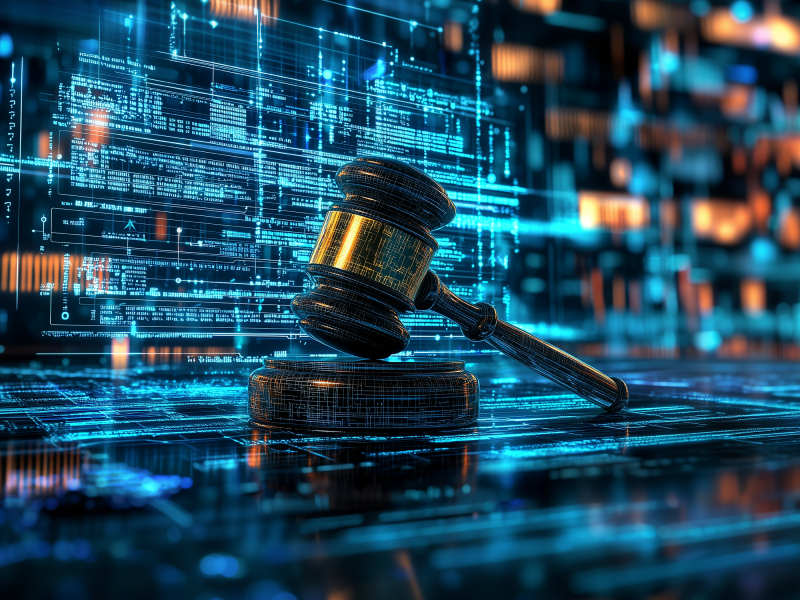
    As artificial intelligence (AI) and large language models (LLMs) become increasingly integrated into products and services across industries, the regulatory landscape is evolving rapidly. Both the European Union (EU) and the United States (US) have begun to establish frameworks that aim to ensure the safe and ethical use of AI technologies. For software developers, understanding these regulations is critical, as they will play an integral role in meeting the growing demands for secure, transparent, and accountable AI systems.

    In the US, one of the key regulatory changes is the requirement for all federal agencies to appoint a chief AI officer. These officers are tasked with submitting annual reports detailing the AI systems in use, identifying associated risks, and outlining plans for risk mitigation. This initiative aligns with similar moves in the EU, where regulations demand that high-risk AI systems undergo thorough testing, risk assessments, and oversight before deployment. Both regions have adopted a risk-based approach to AI regulation, with an emphasis on transparency and accountability.

    A significant focus of these regulations is “Security by design and by default.” This principle mandates that security be embedded in AI systems from the ground up. In the US, the Cybersecurity and Infrastructure Security Agency (CISA) reinforces this notion by asserting that AI, like any other software, must be secure by design. For developers, this means that security considerations are no longer an afterthought but must be incorporated into every stage of the software development lifecycle. This proactive approach to security should resonate with developers familiar with the concept of reducing friction between machine logic and human analysis to anticipate and mitigate threats.

    At its core, the responsibility for “Security by design, by default” lies with the software developer. As AI technologies become more ubiquitous, developers will find themselves increasingly tasked with not only building functional AI systems but also ensuring their security and compliance with evolving regulations. The rise of AI development platforms has introduced new risks, such as software supply chain attacks and malicious code submissions. These threats are already manifesting in AI ecosystems, including platforms like Hugging Face, which serve as the AI equivalent of GitHub. With the exchange of vast amounts of data between AI models and enterprise applications, embedding robust security measures from the outset has never been more critical for developers tasked with building and deploying AI applications.

    Post Views: 258
    java Programming Languages Software Development
    Share. Facebook Twitter Pinterest LinkedIn Tumblr Email
    mustafa efe
    • Website

    Related Posts

    Anthropic’s Claude Security Tool Analyzes Codebases to Detect Vulnerabilities and Prioritize Fixes

    Mayıs 1, 2026

    Microsoft’s Windows Insider Program Finally Becomes More Streamlined and User-Friendly

    Nisan 11, 2026

    Microsoft launches tool to gather user feedback on Windows issues

    Nisan 8, 2026
    Add A Comment

    Comments are closed.

    Editors Picks
    8.5

    Apple Planning Big Mac Redesign and Half-Sized Old Mac

    Ocak 5, 2021

    Autonomous Driving Startup Attracts Chinese Investor

    Ocak 5, 2021

    Onboard Cameras Allow Disabled Quadcopters to Fly

    Ocak 5, 2021
    Top Reviews
    9.1

    Review: T-Mobile Winning 5G Race Around the World

    By sevketayaksiz
    8.9

    Samsung Galaxy S21 Ultra Review: the New King of Android Phones

    By sevketayaksiz
    8.9

    Xiaomi Mi 10: New Variant with Snapdragon 870 Review

    By sevketayaksiz
    Advertisement
    Demo
    Şevket Ayaksız
    Facebook X (Twitter) Instagram YouTube
    • Home
    • Adobe
    • microsoft
    • java
    • Oracle
    • Contact
    © 2026 Theme Designed by Şevket Ayaksız.

    Type above and press Enter to search. Press Esc to cancel.