

Close Menu
Şevket Ayaksız

    Subscribe to Updates

    Get the latest creative news from FooBar about art, design and business.

    What's Hot

    Samsung warns RAM shortages will deepen beyond 2027

    Mayıs 3, 2026

    Windows 11 April update breaks third-party backup software

    Mayıs 3, 2026

    Oxford study finds friendly AI chatbots make more mistakes

    Mayıs 3, 2026
    Facebook X (Twitter) Instagram
    • software
    • Gadgets
    Facebook X (Twitter) Instagram
    Şevket AyaksızŞevket Ayaksız
    Subscribe
    • Home
    • Technology

      Google Maps vs Waze: I Put the Two Best Navigation Apps Head-to-Head — and One Clearly Came Out on Top

      Mayıs 1, 2026

      T-Mobile Bundles Free Hulu and Netflix for 5G Users: Eligibility Explained

      Mayıs 1, 2026

      This Portable Mini PC Is the Unexpected Raspberry Pi Alternative You Might Actually Want

      Mayıs 1, 2026

      Samsung warns RAM shortages could worsen beyond 2027

      Mayıs 1, 2026

      Oxford study finds friendly AI chatbots are less accurate

      Mayıs 1, 2026
    • Adobe
    • Microsoft
    • java
    • Oracle
    Şevket Ayaksız
    Anasayfa » Understanding Python Virtual Environments: A Comparison of Virtualenv and venv
    software

    Understanding Python Virtual Environments: A Comparison of Virtualenv and venv

    By mustafa efeEylül 9, 2024Yorum yapılmamış2 Mins Read
    Facebook Twitter Pinterest LinkedIn Tumblr Email
    Share
    Facebook Twitter LinkedIn Pinterest Email

    Utilize Python’s virtual environments to isolate and manage dependencies for different projects effectively

    Python’s popularity among developers is largely due to its extensive ecosystem of third-party packages. These packages offer ready-made solutions for a variety of tasks, from data ingestion and formatting to complex mathematical computations and machine learning. However, managing these packages can become challenging when different projects require conflicting versions of the same libraries. This is where Python virtual environments prove to be invaluable.

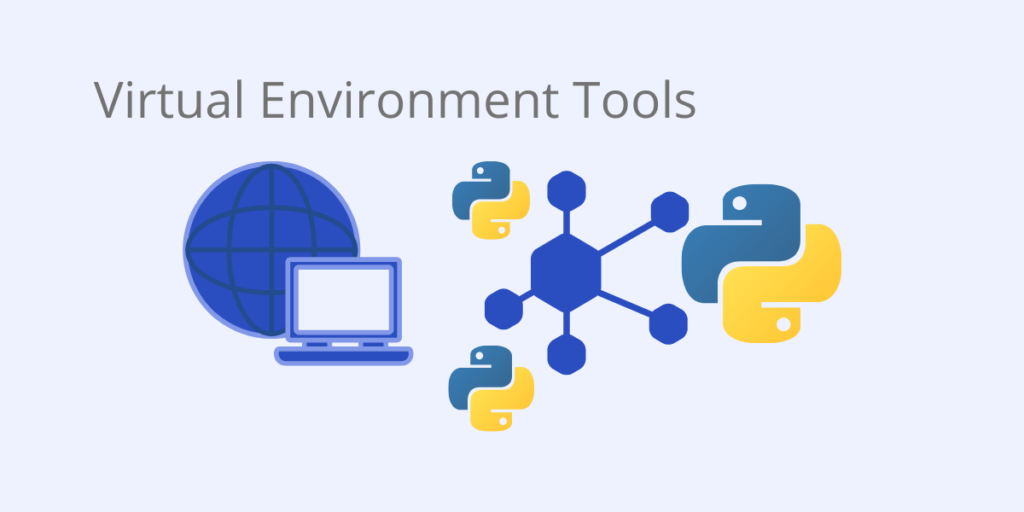
    A Python virtual environment allows you to create isolated environments for different projects, each with its own set of dependencies and configurations. Essentially, a virtual environment is a self-contained directory that contains its own Python interpreter and a separate set of libraries. This means you can have multiple virtual environments on a single system, each tailored to the needs of a specific project, without them interfering with one another.

    To use a virtual environment, you first need to create one. This can be done using tools like venv (which is included in Python’s standard library starting from Python 3.3) or virtualenv (a popular third-party package). Both tools accomplish the same goal but have slightly different features and usage patterns. Once created, you activate the virtual environment, which modifies your shell’s environment variables to use the isolated Python interpreter and libraries.


    After activation, any packages you install using pip will be confined to the virtual environment. This isolation ensures that your project’s dependencies are managed independently of other projects on your system. This separation helps prevent issues where packages or libraries required for one project might conflict with those needed for another.

    Virtual environments also facilitate better project organization and reproducibility. By defining your project’s dependencies in a requirements.txt file or similar configuration, you can ensure that anyone working on the project will use the exact same versions of the packages. This consistency is crucial for avoiding “works on my machine” problems and ensuring that your project runs reliably across different development and deployment environments.

    In summary, Python virtual environments are a powerful feature for managing project dependencies and configurations. They allow developers to create isolated environments for each project, preventing conflicts and making it easier to maintain and share projects. Whether you use venv or virtualenv, leveraging virtual environments is a best practice for managing Python projects effectively.

    Post Views: 470
    java Programming Languages Software Development
    Share. Facebook Twitter Pinterest LinkedIn Tumblr Email
    mustafa efe
    • Website

    Related Posts

    Anthropic’s Claude Security Tool Analyzes Codebases to Detect Vulnerabilities and Prioritize Fixes

    Mayıs 1, 2026

    Microsoft’s Windows Insider Program Finally Becomes More Streamlined and User-Friendly

    Nisan 11, 2026

    Microsoft launches tool to gather user feedback on Windows issues

    Nisan 8, 2026
    Add A Comment

    Comments are closed.

    Editors Picks
    8.5

    Apple Planning Big Mac Redesign and Half-Sized Old Mac

    Ocak 5, 2021

    Autonomous Driving Startup Attracts Chinese Investor

    Ocak 5, 2021

    Onboard Cameras Allow Disabled Quadcopters to Fly

    Ocak 5, 2021
    Top Reviews
    9.1

    Review: T-Mobile Winning 5G Race Around the World

    By sevketayaksiz
    8.9

    Samsung Galaxy S21 Ultra Review: the New King of Android Phones

    By sevketayaksiz
    8.9

    Xiaomi Mi 10: New Variant with Snapdragon 870 Review

    By sevketayaksiz
    Advertisement
    Demo
    Şevket Ayaksız
    Facebook X (Twitter) Instagram YouTube
    • Home
    • Adobe
    • microsoft
    • java
    • Oracle
    • Contact
    © 2026 Theme Designed by Şevket Ayaksız.

    Type above and press Enter to search. Press Esc to cancel.